
Massachusetts Opens the Door to Social Cannabis Lounges With Clear Rules
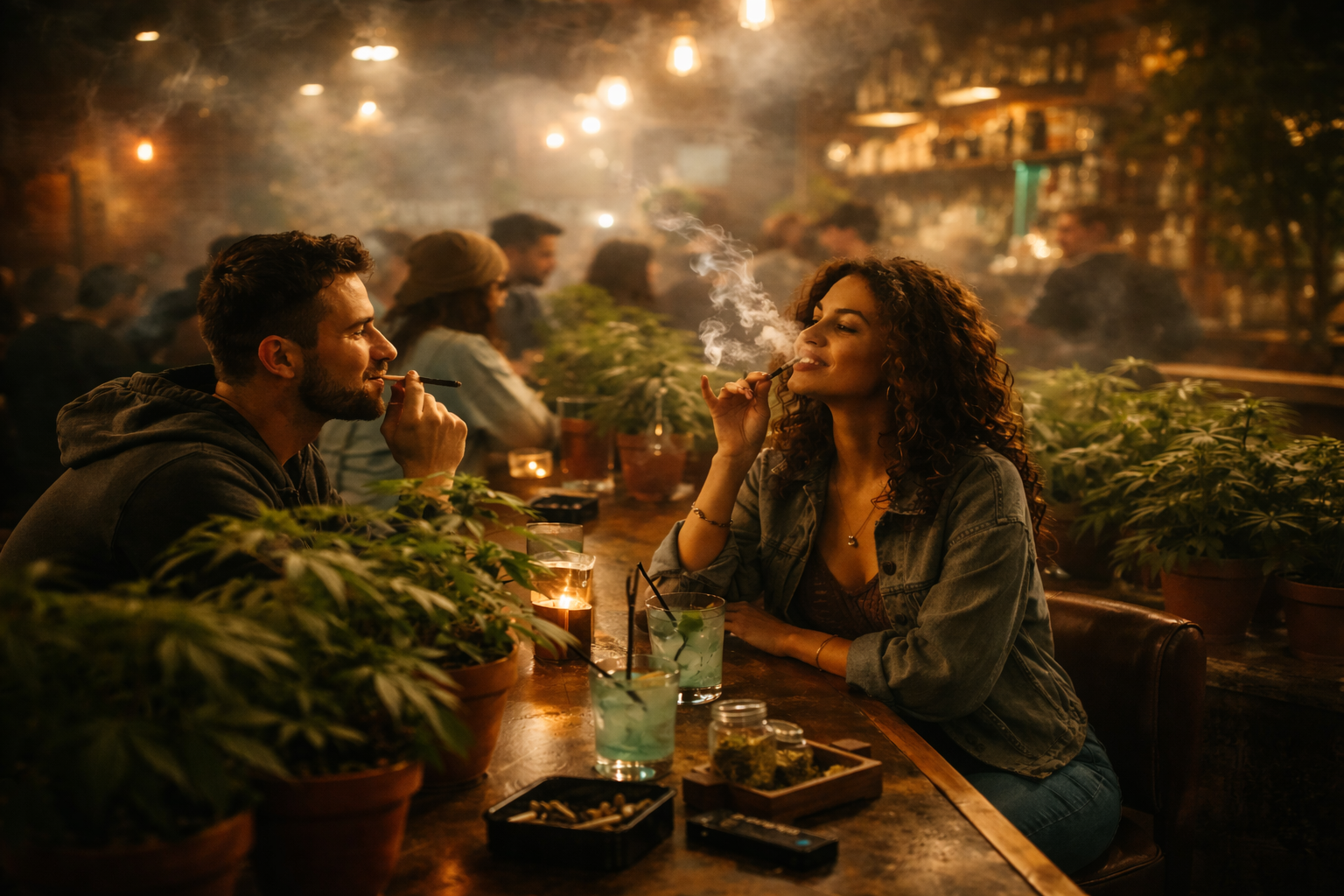
Patrons socializing and consuming cannabis at a licensed Massachusetts cannabis lounge, reflecting the state’s new social consumption rules.
Massachusetts has taken a meaningful step forward in the evolution of legal cannabis. State regulators have approved licenses for social cannabis consumption lounges, creating one of the first true public venues for legal use since adult access was established. These lounges allow adults to gather, socialize, and consume cannabis in a controlled and regulated environment, while clearly separating cannabis culture from alcohol and tobacco.
This move goes beyond simple cafes. It introduces a new hospitality driven category that focuses on experience, safety, and community. For operators and investors, it represents a fresh opportunity. For regulators, it reflects a careful attempt to expand access while maintaining strong oversight.
If you are considering opening, investing in, or insuring a cannabis lounge, now is the right time to understand compliance and liability requirements. Start with our quick Cannashield intake form to prepare your business the right way.
What the New Lounge Rules Allow
Massachusetts has created a specific license category for social cannabis consumption spaces. These venues allow on site consumption under clearly defined rules designed to protect both patrons and surrounding communities.
Key elements of the regulations include:
• No alcohol service inside the venue
• No tobacco or nicotine use on site
• Strict age verification and entry controls
• Defined consumption areas
• Staff training focused on responsible use and guest awareness
• Ventilation and air quality standards
• Security and operating hour requirements
The intent is to create calm, structured environments rather than party driven spaces. Regulators want these lounges to feel intentional, welcoming, and well managed.
If you are preparing to apply for a lounge license, early planning is critical. Complete our Cannashield questionnaire to review insurance, compliance, and operational readiness.
Why Social Consumption Matters
One of the biggest gaps in cannabis legalization has always been where people are legally allowed to consume. Many adults live in housing situations where cannabis use is restricted, and public consumption remains prohibited across most cities.
Social cannabis lounges help solve that problem by offering:
• A legal and supervised place to consume
• A social alternative to private homes
• Community focused experiences
• Education around responsible use
• A setting that does not center on alcohol
These venues also help reduce unregulated public use by giving consumers a designated option that aligns with the law.
From a business perspective, lounges open the door to repeat visits, events, and loyalty in ways traditional retail cannot.
A Strong Emphasis on Social Equity
One of the most notable aspects of Massachusetts’ approach is its emphasis on social equity applicants. The state has prioritized individuals and communities that were disproportionately impacted by past enforcement.
By creating this new license category, Massachusetts is:
• Expanding access for new operators
• Encouraging diverse ownership
• Supporting community based entrepreneurship
• Preventing early domination by large operators
This approach recognizes that new segments of the cannabis industry should create opportunity, not just profit.
If you qualify as a social equity applicant or are partnering with one, Fill out our Cannashield intake form to ensure your operation is protected from the start.
What This Means for Operators
Social cannabis lounges require a different mindset than dispensaries. Operators must think like hospitality professionals while maintaining strict regulatory discipline.
Key considerations include:
Guest safety
Staff must be trained to manage guest experiences responsibly and recognize when intervention is needed.
Insurance and liability
On site consumption increases exposure. Proper insurance coverage is essential to protect the business.
Facility design
Layout, airflow, and seating all play a role in compliance and comfort.
Community engagement
Local acceptance matters. Operators should communicate clearly with neighbors and city officials.
Documentation
Clear procedures, training records, and incident protocols will be required to maintain licensing.
This is a space where professionalism sets operators apart.
Why Massachusetts Is Setting a National Example
While a few states have explored social consumption, Massachusetts is among the first to establish a structured, statewide licensing system with clear boundaries. By separating cannabis from alcohol and tobacco, the state is creating a distinct identity for cannabis hospitality.
Other states are watching closely. If this model proves successful, it may influence how future programs are designed across the country.
For the industry, this signals a shift. Cannabis is moving beyond retail into experience based environments that emphasize responsibility and culture.
Conclusion
Massachusetts’ approval of social cannabis consumption lounges marks a major evolution in the legal market. These venues provide a safe, regulated space for adults to consume cannabis while creating new opportunities for hospitality driven businesses.
For operators, success in this category will depend on preparation. Compliance, insurance, staff training, and community trust are foundational.
At Cannashield, we help cannabis businesses navigate emerging models like social consumption lounges with tailored insurance solutions, compliance guidance, and risk management strategies built for real world conditions.
Complete our full intake form here to protect your business and prepare for the future of social cannabis in Massachusetts.