
Property Insurance for Cannabis Businesses
Property Insurance for Cannabis Businesses is designed to protect your physical assets, including buildings, equipment, inventory, and cultivation facilities, from unexpected damage or loss. This coverage helps safeguard against risks such as fire, theft, vandalism, and natural disasters.
With the unique risks and regulatory requirements in the cannabis industry, having the right property insurance is essential to protect your investments and maintain business continuity. Our tailored solutions provide reliable protection, so you can recover quickly and continue growing your operations with confidence.

What is Cannabis Property Insurance?
Cannabis property insurance helps protect the physical assets that keep a cannabis business operating, including buildings, tenant improvements, buildouts, inventory, finished goods, equipment, fixtures, security systems, and business property used in the operation.
For cannabis operators, property risk can show up fast. Fire and smoke damage, theft, vandalism, water damage, utility interruption, equipment damage, inventory loss, and building issues can create serious financial pressure if the policy is not structured correctly.
A proper cannabis property review should look at more than the building limit. It should also review tenant improvements, inventory values, finished goods, equipment schedules, business income exposure, security requirements, valuation method, deductibles, lease obligations, lender requirements, and any policy exclusions that could affect the operation.
The goal is simple: make sure the property coverage matches the way the cannabis business actually operates before a loss, inspection, lease issue, lender request, or renewal problem exposes a gap.
Buildings and tenant improvements

Inventory and finished goods
Utility interruption

Equipment and machinery

Business income exposure

Fire and smoke damage

Security requirements

Theft and vandalism

Valuation issues

Water damage

Lease and lender property requirements
Buildings and tenant improvements
Cannabis businesses often invest heavily into the spaces they operate from. This can include grow rooms, extraction areas, retail buildouts, HVAC systems, electrical upgrades, security rooms, vault areas, display fixtures, and other improvements made to the property.
Property coverage should account for what you own, what you improved, and what your lease may require you to insure.

Cannabis inventory can carry serious value at every stage of the business. Flower, packaged products, concentrates, edibles, raw materials, finished goods, and work-in-progress inventory all need to be reviewed carefully.
The key question is simple: if inventory is damaged, stolen, or destroyed, how will the value be calculated and what limits actually apply?
Inventory and finished goods

Cannabis operations often depend on expensive specialized equipment. This may include grow lights, irrigation systems, HVAC units, extraction equipment, packaging machines, refrigeration, point-of-sale systems, security equipment, and processing tools.
A serious property review should identify the equipment that keeps the business running and confirm whether coverage limits are strong enough to replace or repair it after a covered loss.
Equipment and machinery

Fire and smoke damage can create major losses for cannabis businesses. Cultivation facilities, manufacturing operations, and retail locations may all face fire exposure tied to electrical systems, lighting, equipment, storage conditions, neighboring tenants, or building conditions.
Coverage should be reviewed for building damage, tenant improvements, inventory, equipment, cleanup costs, and potential business interruption.
Fire and smoke damage

Cannabis businesses remain high-target operations because of inventory value, cash exposure, and resale demand. Theft and vandalism can affect storefronts, delivery operations, cultivation sites, warehouses, and manufacturing facilities.
Property coverage should be reviewed alongside security requirements, alarm systems, surveillance, safes, vaults, inventory controls, and policy exclusions that may limit recovery after a loss.
Theft and vandalism

Water damage can come from plumbing leaks, sprinkler discharge, roof leaks, drainage issues, irrigation system failures, equipment problems, or neighboring tenants. For cannabis operators, water damage can impact more than the building.
It can affect inventory, finished goods, packaging, equipment, tenant improvements, and production timelines. Coverage should be reviewed carefully so the business understands what is protected and what may be excluded.
Water damage
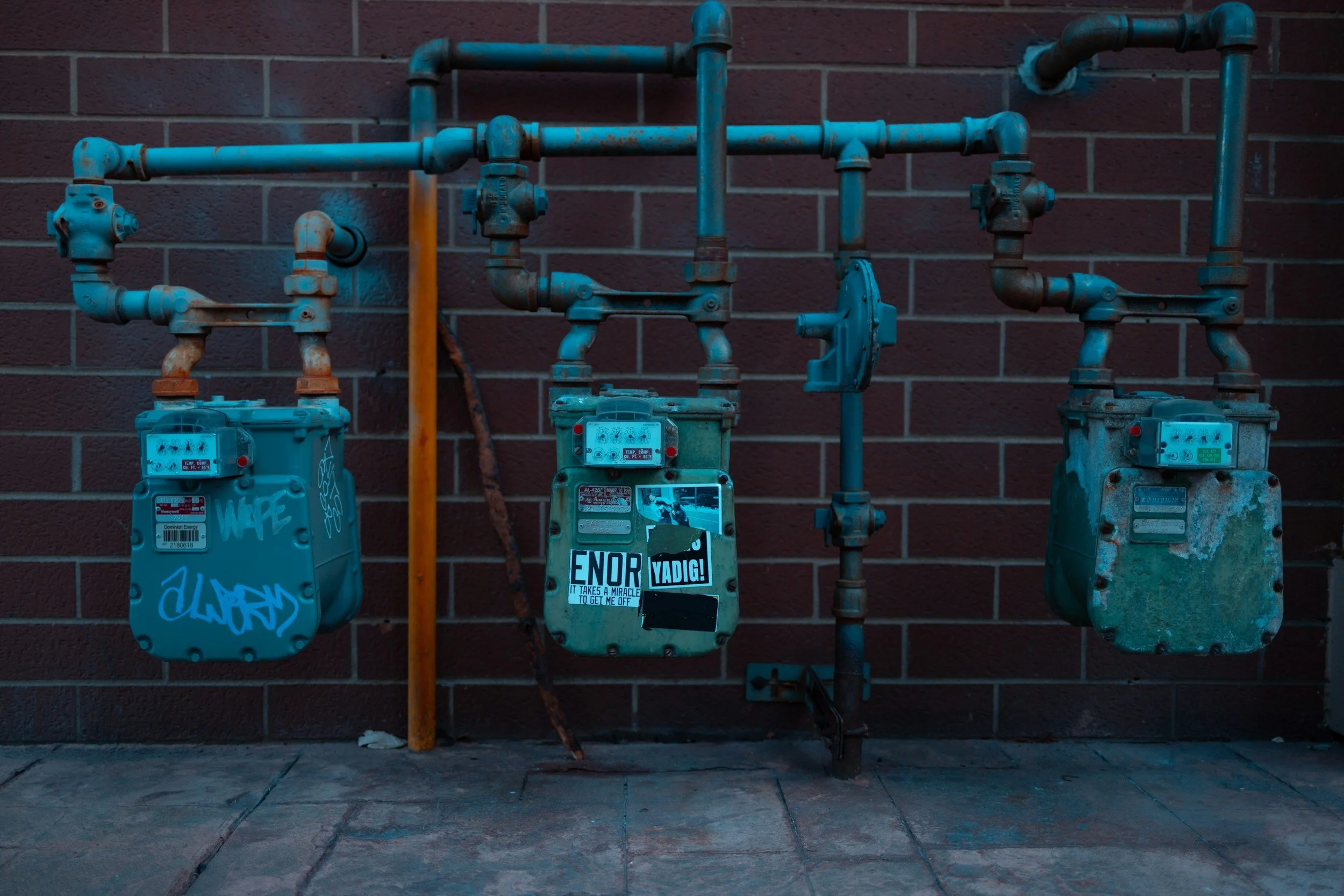
Utility interruption
Cannabis businesses depend heavily on power, water, HVAC, refrigeration, lighting, security systems, and environmental controls. A utility interruption can quickly create inventory loss, crop damage, operational shutdown, or revenue disruption.
Operators should review whether their policy addresses utility service interruption and how coverage applies when a shutdown starts outside the insured location.

Business income exposure
Property losses are not only about replacing damaged items. The bigger hit can come from the revenue lost while the business is closed, delayed, or operating below capacity.
Business income coverage should be reviewed for cannabis-specific realities, including licensing limitations, inventory replacement timelines, equipment lead times, inspections, lease obligations, payroll pressure, and the time it takes to reopen after a covered property loss.

Security requirements
Cannabis property coverage is often tied closely to security controls. Carriers may look at alarms, cameras, safes, vaults, locks, access controls, product storage, cash procedures, and after-hours protection.
Operators should understand what security measures are required by the policy, what is required by regulation, and what must be documented before a claim happens.

Valuation issues
Cannabis property values are not always simple. Inventory value, finished goods value, raw material value, tenant improvements, specialized equipment, and replacement cost can all create disputes if they are not reviewed ahead of time.
The right property review should look at how values are calculated, what documentation is needed, and whether policy limits reflect the actual cost to recover from a loss.

Lease and lender property requirements
Landlords and lenders often require cannabis businesses to carry specific property coverage, limits, deductibles, endorsements, and additional insured or loss payee wording.
Before signing a lease, financing equipment, or expanding into a new location, operators should review insurance requirements carefully so coverage lines up with the contract and avoids delays, disputes, or last-minute surprises.
FREQUENTLY
Have questions? Our FAQs make finding answers easy.
ASKED QUESTIONS
-
We provide insurance solutions for a wide range of cannabis businesses, including cultivators, manufacturers, distributors, retailers, and ancillary service providers. Whether you're just starting or already established, we tailor coverage to fit your operations.
-
In many states, certain types of insurance—like general liability or workers’ compensation—may be required to operate legally. Even if not mandated, having insurance is strongly recommended to protect your business from unexpected risks.
-
Cannabis insurance can protect your business from property damage, product liability, theft, crop loss, equipment breakdowns, and more. It also helps with legal fees if your business faces claims or lawsuits.
-
The cost of cannabis insurance varies depending on your business type, size, and specific risks. Pricing is flexible and can be discussed during a consultation, where we can recommend coverage options that suit your needs.

Review Cannabis Property Coverage
Property insurance for cannabis businesses should be built around the real risk inside the operation. Cannashield helps operators review coverage for buildings, tenant improvements, inventory, equipment, theft, fire, water damage, utility interruption, and business income exposure.