New York’s “Rent-a-License” Scandal Exposes Gaps in Cannabis Compliance
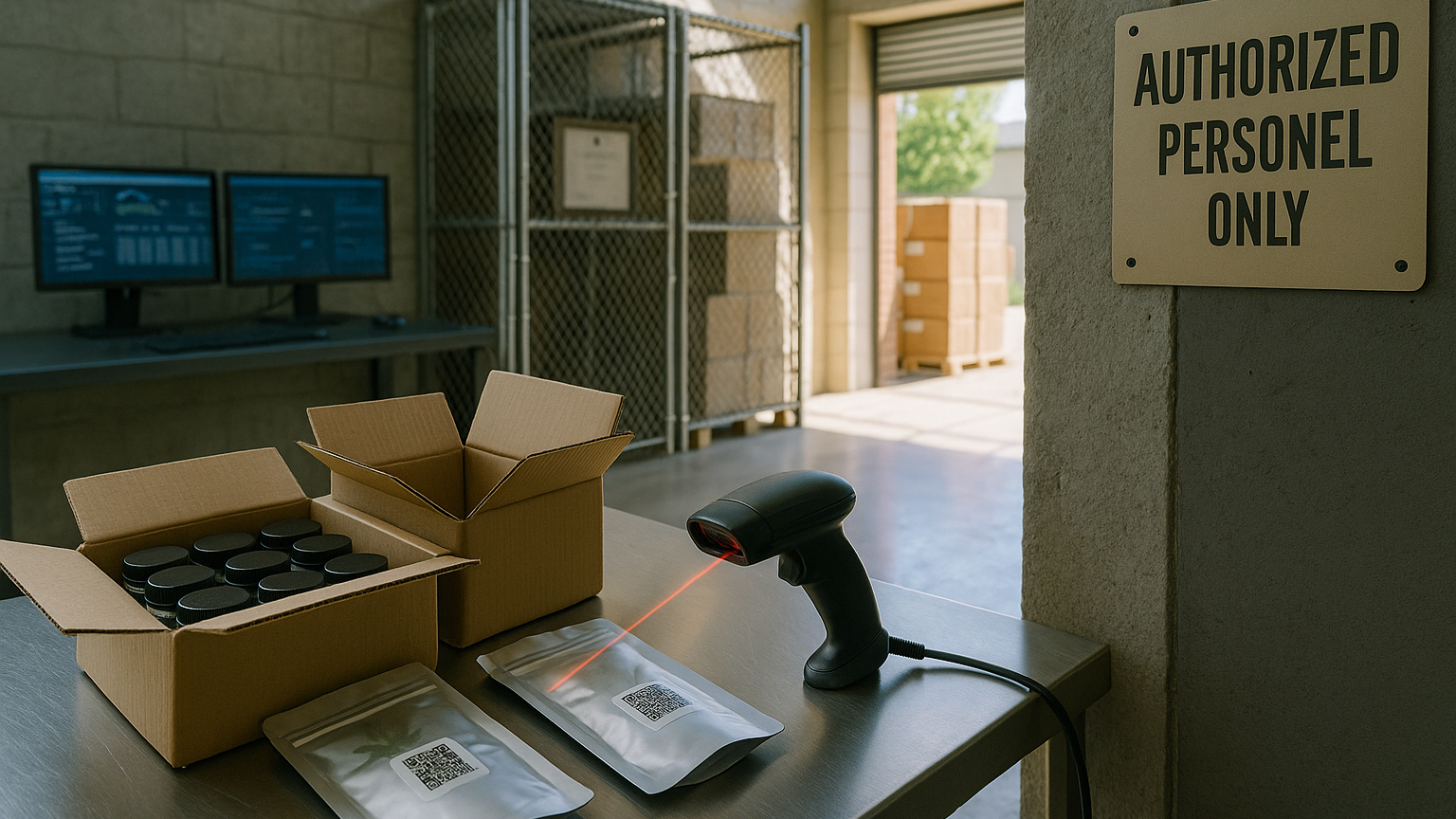
A barcode scanner reads cannabis package labels inside a secure facility, reflecting New York’s ‘rent-a-license’ allegations and gaps in track-and-trace compliance
New York’s adult-use cannabis program is once again under scrutiny—this time over alleged misuse of state licenses. Regulators recently filed charges against Omnium Health Inc. (doing business as Omnium Canna) for reportedly allowing unlicensed operators to manufacture and package cannabis products using its processing license.

The case highlights what regulators call a growing “rent-a-license” problem—a loophole that allows unlicensed businesses to piggyback off legitimate permits to produce or distribute cannabis. But beneath the surface, it also exposes a deeper issue: flaws in track-and-trace compliance, the very system designed to ensure transparency and accountability in the legal market.
If your cannabis operation relies on third-party processing or distribution partners, now is the time to verify compliance. Start with our quick Cannashield intake form to assess your risk and strengthen your safeguards.
The “Rent-a-License” Problem Explained
At the core of the controversy is the allegation that Omnium Canna allowed other operators—without valid licenses—to manufacture, label, and package cannabis products under its regulatory umbrella. In exchange, these operators reportedly paid Omnium a fee, effectively renting access to a state license without meeting the compliance standards themselves.

This practice undermines the state’s regulatory system and raises serious concerns about product traceability, consumer safety, and market integrity. New York’s Office of Cannabis Management (OCM) has taken a firm stance, filing formal charges against Omnium for multiple alleged violations of state law.

According to regulators, such “license-sharing” practices can distort the market by giving unlicensed players unfair advantages while exposing consumers to untested, unregulated products.
Why Track-and-Trace Systems Matter
The controversy also shines a light on weaknesses in New York’s track-and-trace program, which is supposed to log every gram of cannabis from seed to sale. When functioning correctly, this system prevents unlicensed operators from entering the supply chain and ensures all products can be traced back to their licensed source.

But enforcement gaps, technical inconsistencies, and the rapid pace of market expansion have made oversight difficult. Without proper integration between license holders and regulators, bad actors can exploit the system—creating blind spots in an otherwise transparent process.

For licensed operators, that means increased scrutiny is coming. Regulators will expect full documentation of chain-of-custody, manufacturing activity, packaging, and transport logs. Businesses that fail to maintain these records risk fines, suspensions, or even criminal liability.
Not sure if your operation’s compliance records meet New York’s standards? Complete our Cannashield questionnaire to identify compliance vulnerabilities before regulators do.
The Risk for Cannabis Businesses
Even for operators who play by the rules, cases like Omnium’s present major reputational and operational risks. When a single license holder’s misconduct grabs headlines, regulators often respond with broad enforcement measures, meaning increased audits and tighter reporting requirements for everyone.

For legitimate businesses, this translates to:

•   Greater administrative burden — More frequent inspections and data requests.
•   Tighter financial monitoring — Regulators may begin cross-checking vendor payments and contracts.
•   Liability exposure — Licensed partners found tied to unlicensed activity can face civil penalties, even if they weren’t directly involved.
•   Insurance complications — Policies could be affected if regulators determine that compliance systems were inadequate.

This case is a clear reminder that every operator—cultivator, processor, distributor, or retailer—needs airtight compliance documentation and robust insurance protection to navigate an increasingly complex environment.
The Bigger Picture: Lessons for Emerging Markets
New York’s cannabis rollout has been under intense pressure from the start, balancing social equity goals, regulatory oversight, and enforcement challenges. But as other states look to expand legalization, the “rent-a-license” scandal offers an important warning: compliance systems are only as strong as their enforcement.

For emerging markets, it’s a call to strengthen track-and-trace infrastructure before expanding licensing programs too rapidly. For businesses, it’s a lesson in vigilance—knowing every partner, verifying every transaction, and maintaining detailed records.

The takeaway is clear: operators that take compliance seriously will be the ones who survive regulatory turbulence and earn long-term trust from both regulators and consumers.
Whether you operate in New York or another state, Fill out our Cannashield intake form to ensure your compliance, risk management, and insurance coverage are aligned with industry best practices.
Conclusion
The “rent-a-license” scandal in New York underscores the delicate balance between opportunity and oversight in the cannabis industry. As regulators tighten enforcement, businesses must take proactive steps to document compliance, vet partnerships, and maintain transparency at every stage of the supply chain.

For operators building a long-term presence in the industry, compliance isn’t just about avoiding penalties—it’s about protecting your brand, your license, and your future.

At Cannashield, we help cannabis businesses stay ahead of risk with tailored compliance strategies and insurance solutions designed for the realities of today’s market.
Complete our full intake form here to protect your business from compliance pitfalls and build a stronger, more resilient operation.
Read the full article here →