
Why Enforcement and Civil Rights Still Shape Cannabis Today
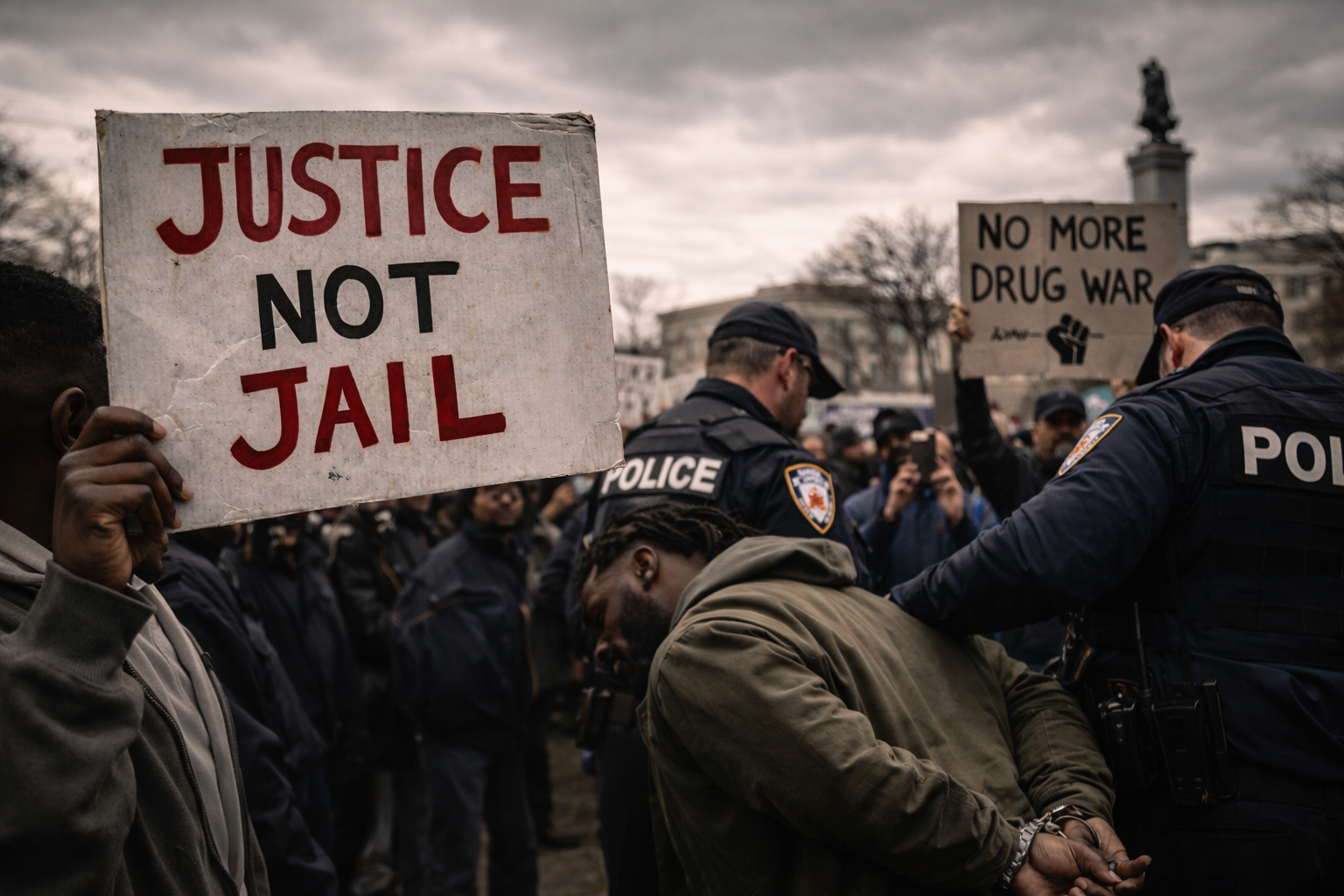
Civil rights demonstration highlighting the long-standing connection between cannabis policy, enforcement history, and community trust.
As the cannabis industry grows, it is easy to focus only on sales, new storefronts, and market expansion. But beneath the surface, enforcement history and civil rights narratives still shape how this industry operates, how it is regulated, and how communities respond to it.
This is not another generic legalization post. It is a grounded look at why cannabis remains different from other regulated industries. The rules, the oversight, and the public conversation are still influenced by decades of enforcement. That legacy shows up in licensing, compliance, local politics, and business risk in ways operators cannot afford to ignore.
If you are building a long term cannabis business, you need to understand the cultural and policy forces that still influence the market. That is how you avoid surprises and build something durable.
If your business operates in regulated cannabis markets, this is a good time to review how policy risk and enforcement history intersect with your operations. Start with our quick Cannashield intake form
Legal Markets Have Expanded, But History Still Matters
Legalization changed access, but it did not erase the past. Cannabis enforcement affected families, neighborhoods, and trust in institutions for decades. Those effects do not disappear just because a state created a legal framework.
Today, that history shows up in several practical ways:
How strict regulators interpret rules
How municipalities decide where cannabis businesses can operate
How community members view new storefronts
How lawmakers shape equity programs and licensing priorities
For operators, this means compliance is not only about checking boxes. It is also about understanding public perception and political sensitivity.
Enforcement Culture Shapes Compliance Expectations
Cannabis regulation often inherits tools and attitudes from enforcement driven systems. Even when regulators support legal markets, the operational style can remain cautious and strict.
This can look like:
Frequent inspections and document requests
Strict security and recordkeeping expectations
Low tolerance for operating mistakes
Extra scrutiny for advertising and product presentation
That creates a real business reality: operators must run tighter, document better, and train more consistently than many other consumer product categories.
If enforcement posture affects how you operate or expand, Complete our Cannashield questionnaire
Civil Rights Narratives Still Shape Policy Decisions
Civil rights conversations remain connected to cannabis policy because so many reform efforts were built on fairness and harm reduction. That influence continues today in how programs are designed and debated.
You see it in:
Social equity licensing programs
Community reinvestment requirements
Record relief initiatives
Local approval processes and public hearings
For operators, this matters because markets are not built on demand alone. They are also built on legitimacy. Businesses that show respect for community concerns and policy intent tend to earn more stability over time.
Local Politics Can Still Make or Break a Market
Even in legalized states, cities and counties hold real power. Zoning rules, permit approvals, and community pressure can shape access more than statewide headlines.
This is why two operators in the same state can experience completely different realities. One city may welcome retail and move quickly. Another may slow things down through zoning restrictions or heightened scrutiny.
Operators who ignore local dynamics often run into delays, unexpected costs, or reputational problems.
If you want to operate with fewer surprises, Fill out our Cannashield intake form
What This Means for Real Operators
If you are running a cannabis business, here is the practical takeaway. You cannot separate operations from context.
Strong operators tend to:
Build compliance systems that are clean and repeatable
Document everything and keep records ready for inspection
Train staff consistently on safety, procedures, and customer education
Engage with communities early instead of reacting late
Treat enforcement and policy as part of strategy, not background noise
This is not about politics. It is about staying open, staying licensed, and staying profitable.
Why This Perspective Is Useful
A lot of cannabis commentary sounds the same. More legalization. More sales. More optimism. That is fine, but it misses the deeper drivers of market behavior.
The industry is still shaped by its enforcement past, and policy is still shaped by civil rights conversations. Ignoring that makes businesses vulnerable. Understanding it makes them resilient.
Conclusion
Cannabis markets can grow fast, but the industry remains uniquely tied to enforcement history and civil rights narratives. That reality influences regulation, licensing, local politics, and public trust.
The businesses that last are the ones that understand this context and build accordingly. Compliance, risk planning, and community awareness are not extras. They are core operations.
At Cannashield, we help cannabis operators navigate this complexity with insurance, compliance guidance, and risk strategies built for real world conditions.