
Cannabis M&A Signals a New Phase of Discipline and Brand Focus
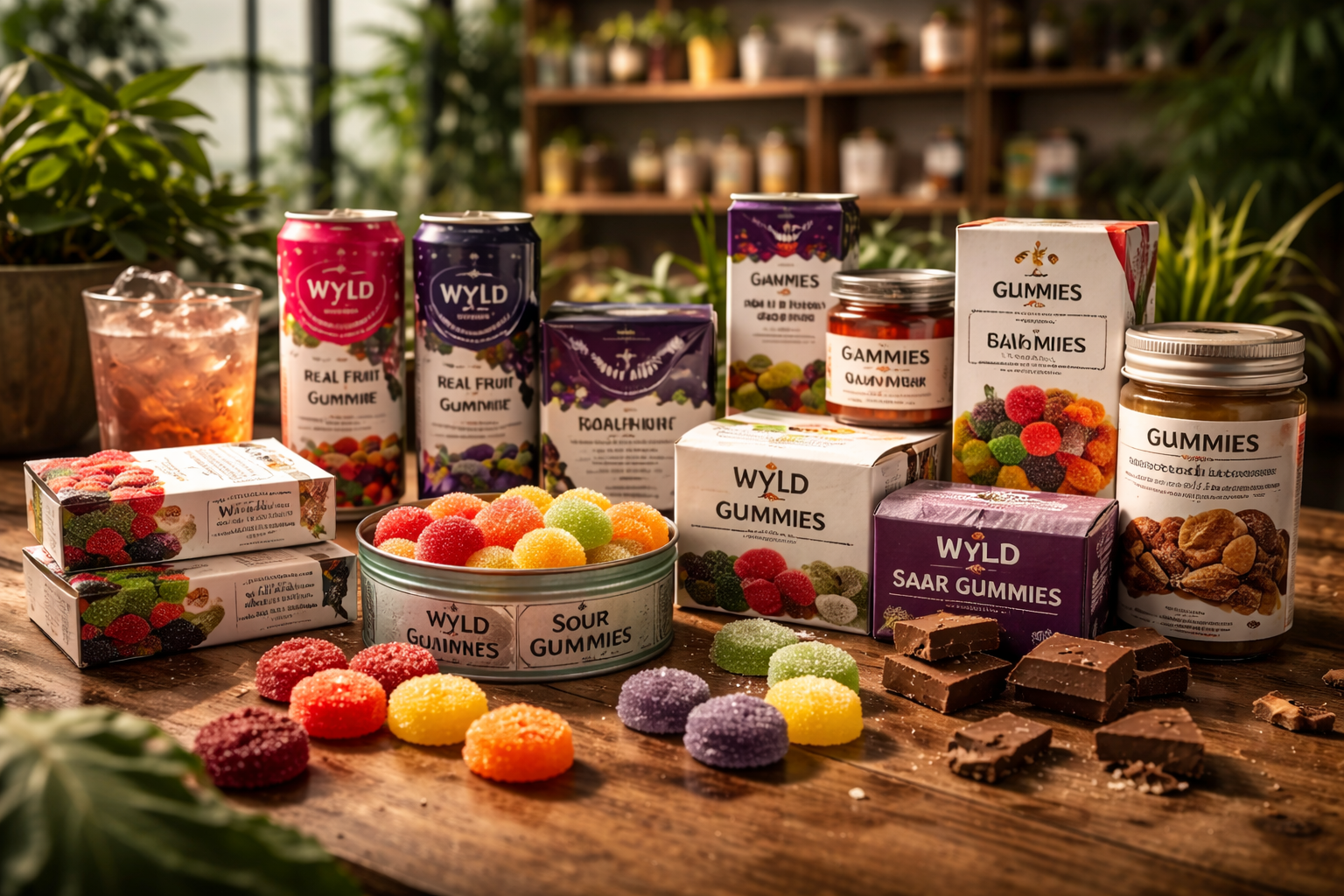
Cannabis edibles from Wyld and Grön displayed together, representing consolidation in the edibles market.
The cannabis industry continues to evolve, and recent merger and acquisition activity offers a clear signal about where the market is headed. One of the most notable moves is Wyld’s announced acquisition of Grön, a well-known edibles company. This deal, along with other operator updates and product pipeline developments, reflects a market that is shifting from experimentation to consolidation and execution.
This is not a rush to buy everything in sight. It is a strategic rebalancing. Strong brands are being folded together, supply chains are being tightened, and operators are focusing on categories that have proven demand. For anyone operating in cannabis, especially in consumer products, this moment matters.
If your business is navigating growth, acquisition, or partnership conversations, now is the right time to review risk and compliance readiness. Start with our quick Cannashield intake form to make sure strategy and protection stay aligned.
Why the Wyld and Grön Deal Matters
The acquisition of Grön by Wyld is more than a headline. It brings together two established names in the edibles space, each with strong brand recognition and loyal customer bases.
This kind of deal signals several things at once:
• Edibles remain a core growth category
• Brand equity is being valued more than raw scale
• Operators are seeking complementary strengths
• Capital is flowing toward proven consumer demand
Rather than building everything internally, companies are choosing to acquire expertise, formulations, and market share in one move.
If your brand strategy relies on consumer loyalty and product differentiation, Complete our Cannashield questionnaire to review how consolidation affects insurance and operational risk.
Edibles Continue to Attract Strategic Capital
Among cannabis product categories, edibles have consistently shown resilience. They appeal to a broad consumer base and often align well with regulated retail environments.
Recent activity highlights why edibles remain attractive:
• Predictable consumer demand
• Strong branding opportunities
• Shelf stability compared to flower
• Easier national brand recognition within state rules
• Product innovation through formulation
As other segments face margin pressure, edibles offer operators a way to maintain pricing power and customer engagement.
M&A Is Becoming More Selective
The current wave of consolidation looks different from earlier years. Instead of aggressive roll ups, buyers are focusing on assets that fit clear strategic goals.
This means:
• Fewer deals, but higher quality ones
• Emphasis on profitability and brand strength
• Careful due diligence around compliance
• Focus on integration rather than expansion alone
Operators that cannot demonstrate operational discipline are less likely to attract buyers, even at discounted valuations.
If your business is considering selling, acquiring, or partnering, Fill out our Cannashield intake form to ensure insurance and compliance factors are addressed early.
Product Pipelines Are Being Refined
Alongside M&A, many operators are updating product pipelines. Instead of flooding the market with new SKUs, companies are refining offerings based on performance data.
This shift includes:
• Focusing on best-selling products
• Reducing complexity in manufacturing
• Improving margins through efficiency
• Aligning innovation with consumer feedback
Product discipline helps stabilize operations and supports long-term brand value.
What This Means for Smaller Operators
Not every operator will be acquired, but the environment is changing expectations.
Smaller companies may need to:
• Clarify their niche or differentiation
• Improve compliance and documentation
• Strengthen financial reporting
• Prepare for partnership discussions
• Decide whether to scale or stay focused
Consolidation does not eliminate opportunity, but it does require clarity about positioning.
Why Compliance and Insurance Matter in M&A
Every acquisition brings risk beyond price. Buyers and sellers must account for regulatory history, product liability, and operational exposure.
Key areas include:
• Historical compliance records
• Product formulation and labeling practices
• Manufacturing safety standards
• Inventory handling and storage
• Insurance coverage during transition
Deals that ignore these factors often face surprises after closing. Strong risk management protects both sides.
If your business is involved in M&A activity, Complete our Cannashield questionnaire to review coverage and compliance implications before decisions are finalized.
A Sign of Market Maturity
The Wyld and Grön deal fits into a broader pattern. The cannabis industry is moving toward maturity, where growth comes from optimization rather than expansion alone.
Mature markets tend to reward:
• Strong brands
• Operational discipline
• Clear compliance culture
• Focused product lines
• Scalable systems
This transition may feel slower, but it builds durability.
Preparing for the Next Phase
Operators should treat this moment as a signal to prepare.
Practical steps include:
• Reviewing brand strength and differentiation
• Auditing compliance and insurance coverage
• Streamlining product offerings
• Planning for potential partnerships
• Avoiding growth for growth’s sake
Preparation creates options in a consolidating market.
Conclusion
Recent M&A activity, highlighted by Wyld’s acquisition of Grön, shows that cannabis is entering a more disciplined phase. Brands, not just scale, are driving value. Edibles remain a key category, and strategic consolidation is replacing speculative expansion.
For operators, this is a time to focus on fundamentals and positioning.
At Cannashield, we help cannabis businesses navigate consolidation with insurance solutions, compliance guidance, and risk strategies built for real-world market conditions.
Complete our full intake form here to protect your business and prepare for the next chapter of cannabis consolidation.