
Industry and Advocacy Groups React to Federal Cannabis Rescheduling
CBD oil, hemp-derived tinctures, and capsules displayed in a laboratory alongside compliance documents, reflecting new federal oversight of hemp products.
The federal decision to move cannabis to Schedule III has triggered a wave of reaction across the industry and advocacy community. Many leaders have described the move as historic, while also making it clear that this is not the end of the reform conversation. For operators, patients, advocates, and investors, the response reflects a shared understanding that progress has been made, but key challenges remain.
Rescheduling represents a meaningful shift in how the federal government views cannabis, especially its medical use. At the same time, industry groups and reform organizations are emphasizing that unresolved issues like criminal justice reform, banking access, and the divide between state and federal law still shape daily realities for businesses and communities.
If your business operates in cannabis or hemp, now is the time to reassess compliance and risk strategy. Start with our quick Cannashield intake form to prepare for a changing federal landscape.
Why Rescheduling Is Viewed as a Major Step Forward
Industry groups largely agree that moving cannabis to Schedule III is an important milestone. It signals federal acknowledgment of medical value and removes some of the most restrictive barriers that have limited research and healthcare integration.
Supporters point to several immediate positives:
• Recognition of accepted medical use
• Expanded opportunities for scientific research
• Potential relief from certain tax limitations
• A more rational federal posture toward state compliant businesses
For many operators, this change alone improves long term outlook and reduces uncertainty around future regulatory alignment.
However, most reactions also include a clear message. Rescheduling is progress, but it is not a complete solution.
If you want to understand how this shift could affect insurance, compliance, or operational planning, Complete our Cannashield questionnaire for a tailored review.
What Advocates Say Is Still Missing
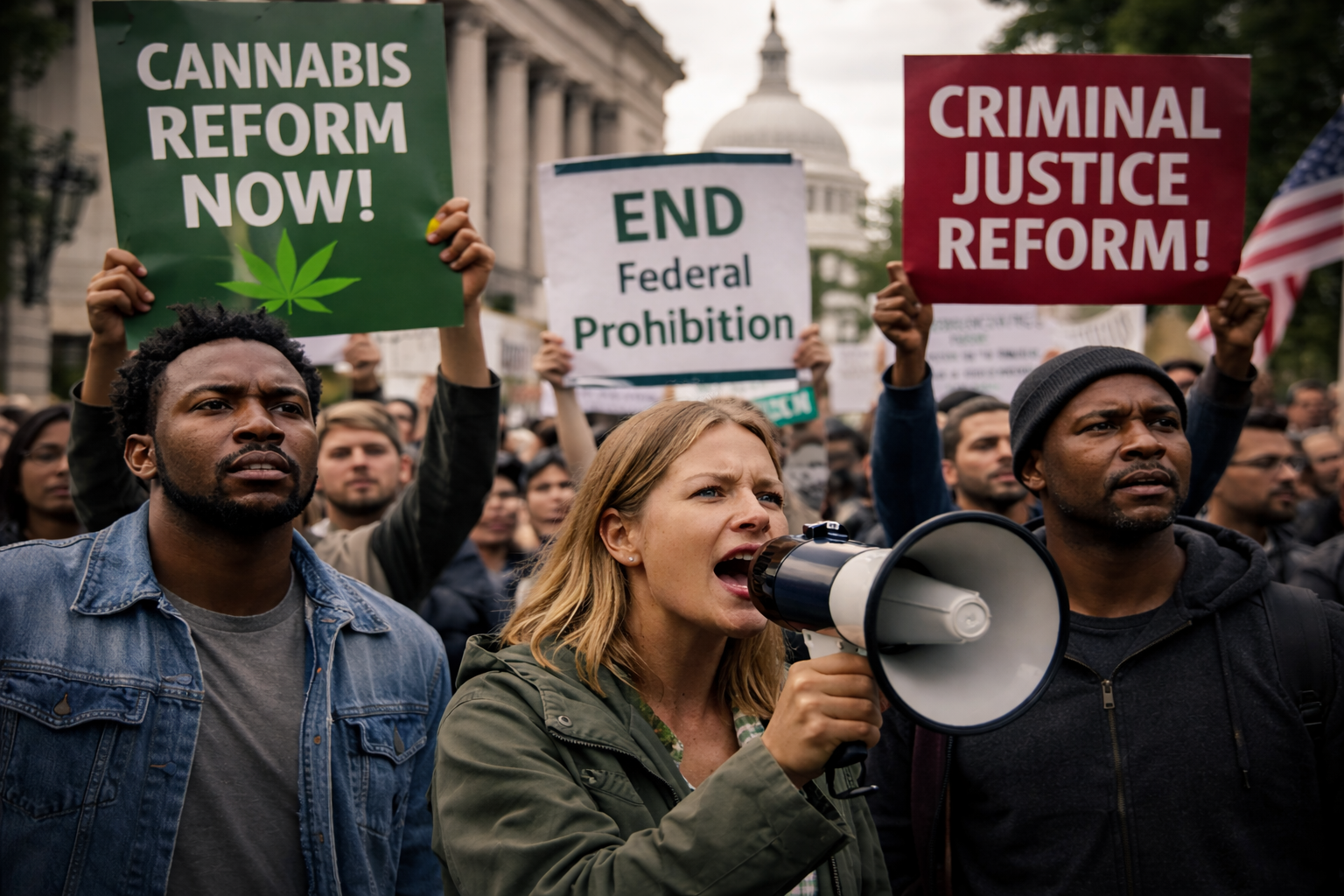
Reform organizations have welcomed the rescheduling decision, while also stressing that deeper reforms are needed. Many advocates view Schedule III as a foundation, not a finish line.
Key concerns raised include:
Criminal justice reform
Rescheduling does not address past convictions or ongoing penalties tied to cannabis offenses. Advocacy groups continue to call for expungement and broader justice focused reforms.
State and federal legal conflict
Cannabis remains federally illegal, even as most states allow medical or adult use. This ongoing conflict creates uncertainty for businesses and consumers alike.
Banking and financial access
While rescheduling may help, comprehensive protections for banking and lending remain unresolved. Many operators still struggle to access basic financial services.
Equity and inclusion
Advocates emphasize the need for reform that benefits communities disproportionately impacted by past enforcement, not just large commercial operators.
These points underscore why many see rescheduling as an important but incomplete step.
How Industry Groups Are Framing the Moment
Trade associations and industry leaders are taking a measured approach. Most acknowledge the historic nature of the decision while encouraging policymakers to continue building toward a more coherent national framework.
Common themes in industry responses include:
• Recognition that rescheduling improves legitimacy
• Calls for clearer federal guidance to follow
• Emphasis on compliance readiness
• Focus on long term stability rather than short term celebration
For businesses, the message is consistent. This change creates opportunity, but it also raises expectations.
If your operation needs help aligning with higher federal standards, Fill out our Cannashield intake form to strengthen your compliance and risk posture.
What This Means for Cannabis Businesses Today
Rescheduling affects the conversation, but daily operations remain complex. Operators still must navigate state licensing rules, local ordinances, and evolving federal guidance.
In practical terms, businesses should expect:
• Increased scrutiny as cannabis moves closer to mainstream regulation
• Greater emphasis on documentation and transparency
• More attention from insurers and financial partners
• Continued pressure to demonstrate responsible operations
Companies that have invested in strong compliance programs will adapt more easily. Those relying on informal processes may find the transition challenging.
Why This Moment Matters for Long Term Reform
The rescheduling decision has shifted the conversation. Federal cannabis policy is no longer frozen in time. Agencies, lawmakers, and stakeholders are now engaged in shaping what comes next.
This creates momentum for:
• Additional legislative efforts
• Banking and financial reform discussions
• Healthcare integration pathways
• Clearer federal and state coordination
Advocacy groups view this as a moment to push for comprehensive reform. Industry groups see it as an opportunity to professionalize and stabilize the market.
Both perspectives point toward continued change.
Preparing for What Comes Next
Cannabis businesses should treat this moment as a signal to prepare, not pause. Federal reform often brings both opportunity and complexity.
Smart preparation includes:
• Reviewing compliance programs
• Strengthening internal controls
• Updating insurance coverage
• Monitoring federal and state policy developments
• Planning for higher regulatory expectations
These steps protect businesses as reform evolves.
Conclusion
The reaction to federal cannabis rescheduling shows broad agreement on one point. This is a historic step, but it is not the final chapter. Industry groups and advocates alike recognize progress while continuing to push for solutions to unresolved issues such as criminal justice reform and legal alignment between states and the federal government.
For cannabis operators, this moment is about readiness. As federal policy evolves, businesses that are organized, compliant, and protected will be best positioned to succeed.
At Cannashield, we help cannabis and hemp businesses navigate policy change with insurance solutions, compliance guidance, and risk strategies built for an evolving regulatory environment.
Complete our full intake form here to protect your business and stay prepared as federal cannabis reform continues.