
Kentucky Approves Its Second Medical Cannabis Cultivator: A Sign of What’s Coming
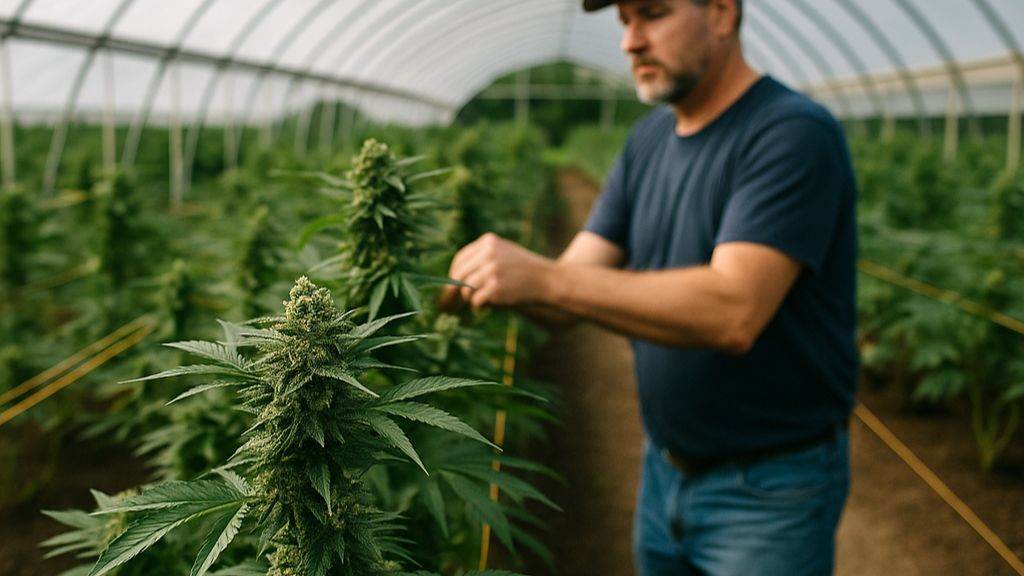
Farmer tending cannabis plants in a greenhouse, representing Kentucky’s growing medical marijuana cultivation program.
Kentucky just took another step toward establishing a real medical cannabis market. The state approved Natural State GreenGrass CannaCo in Madison County as its second licensed cultivation facility under the new medical program. It’s a local story with national significance—proof that cannabis is gradually gaining legitimacy in one of the nation’s most traditionally conservative regions.

This development is more than just another business license. It’s a signal that Kentucky’s cannabis framework is beginning to take shape—and for entrepreneurs, operators, and investors, that means opportunity is knocking.
Thinking about entering Kentucky’s emerging cannabis market? Start with our intake form to assess your risk exposure and licensing readiness.
A New Chapter for Kentucky’s Medical Cannabis Program
For years, Kentucky stood firm against cannabis reform, even as neighboring states built thriving markets. That began to shift when Governor Andy Beshear signed legislation allowing medical cannabis for patients with qualifying conditions.

Now, with the approval of a second cultivation license, the groundwork for a functioning medical market is being laid piece by piece. Natural State GreenGrass CannaCo joins the first licensed operator, signaling that Kentucky’s regulatory agencies are ready to expand the field—carefully, but steadily.

This cautious rollout mirrors what other states experienced early on. Regulators tend to start small, monitoring compliance closely before scaling. For operators, this means one thing: timing matters. Being early can provide a competitive advantage, but only if you build compliance and risk management into your foundation.
What This Means for Kentucky Operators
Cannabis cultivation in Kentucky comes with a unique set of challenges—and opportunities:Strict Oversight: Like most new markets, expect Kentucky’s regulators to keep a close eye on everything from seed-to-sale tracking to facility security.
Local Partnerships: Building community relationships will be essential. Local governments can influence zoning, public perception, and long-term sustainability.
Compliance from Day One: Mistakes early on—especially in new programs—can jeopardize licenses before they’ve had time to grow into real businesses.
For current and future operators, the approval of a second cultivation site underscores the importance of being proactive. Those who prepare early, invest in compliance systems, and understand state-specific requirements will be positioned to thrive once the market opens fully.If you’re preparing to apply for a license or expand operations, complete our Cannashield questionnaire to identify compliance risks before they become costly mistakes.
Why Medical Cannabis in Kentucky Matters Nationally
Kentucky is often seen as a barometer for the southern United States. When a state rooted in traditional agricultural values begins embracing cannabis cultivation, it signals broader cultural and economic acceptance across the region.Farmers, investors, and health advocates alike are watching closely. Kentucky’s agricultural history gives it a unique advantage—fertile land, experienced growers, and a strong distribution network already in place. If managed responsibly, medical cannabis could bring new revenue streams and local job creation to communities that need it most.At the same time, Kentucky’s slow, deliberate rollout may help prevent the overexpansion and supply glut seen in other states. For those planning to enter, this measured pace offers an opportunity to build solid, sustainable operations from the start.Preparing for What’s Ahead
Even though Kentucky’s medical market is still in its early stages, it’s never too soon to prepare. Businesses that understand the legal, operational, and insurance implications of cannabis licensing will have the upper hand once more cultivation and retail permits become available.This isn’t just about being compliant—it’s about being smart. Operators who plan for regulatory audits, product liability, and operational risks early on will protect their investments and attract more stable capital down the road.
Get ahead of the curve. Fill out Cannashield’s intake form to evaluate your readiness for Kentucky’s growing cannabis market. Conclusion
Kentucky’s approval of its second medical cannabis cultivator marks another milestone for the state—and a glimpse into the future of cannabis in the South. What happens here will set the tone for other conservative states considering medical programs of their own.

For business owners and entrepreneurs, now is the time to pay attention. The opportunities are coming, but so are the responsibilities that come with a highly regulated space.

At Cannashield, we help operators navigate these early stages, manage compliance risk, and protect their businesses before challenges arise. Kentucky’s future in cannabis looks bright—make sure you’re ready when it’s your turn to grow.
Read the full article here →