
New Study Links Adolescent Cannabis Use to Higher Rates of Psychiatric Emergency Visits in Massachusetts
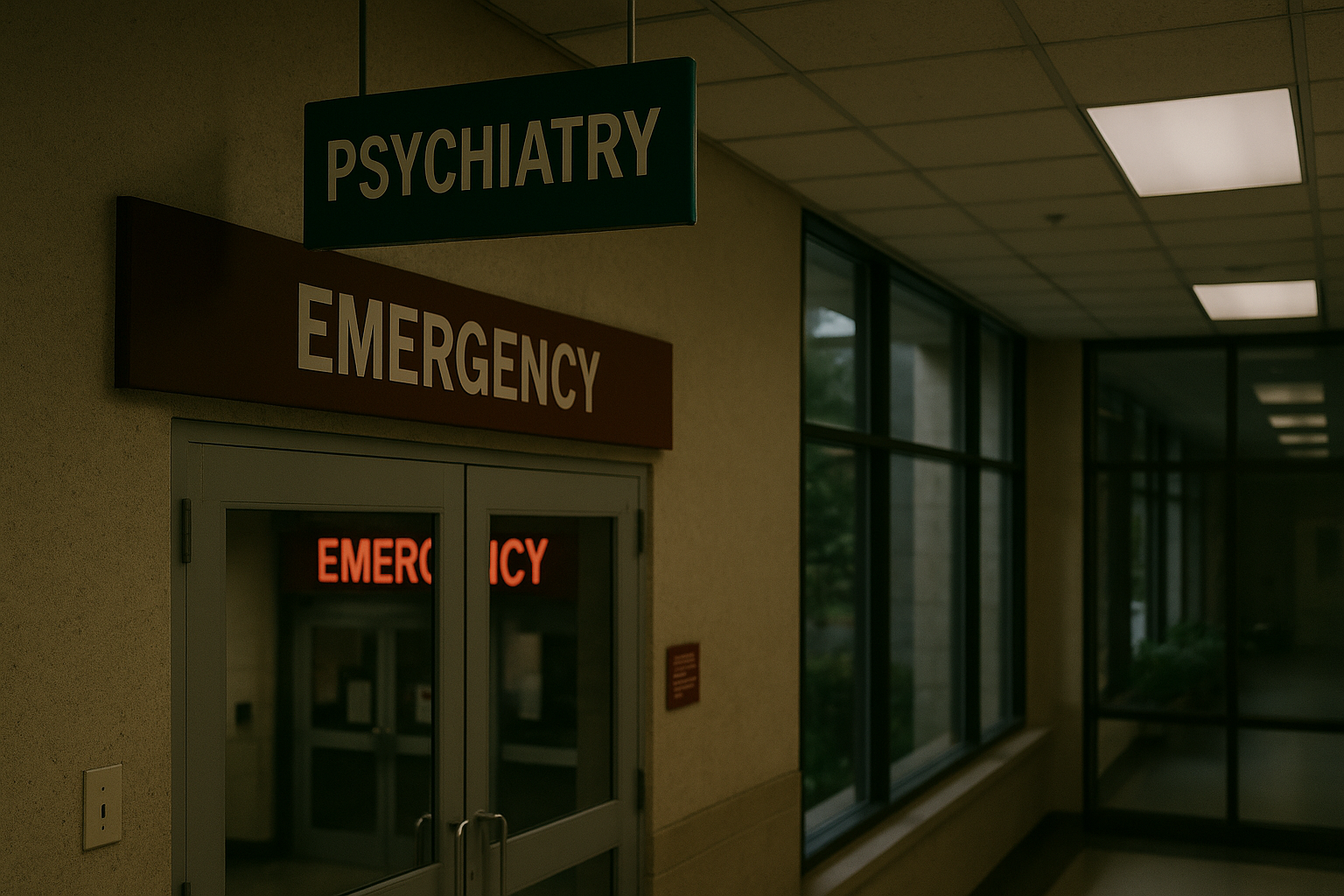
Hospital emergency and psychiatry signs in a dim hallway, symbolizing research showing increased adolescent cannabis use linked to higher psychiatric emergency visits after legalization.
A new study from Mass General Brigham is adding important nuance to the conversation around cannabis legalization and public health. Researchers found that following legalization in Massachusetts, adolescent cannabis use increased, and with it came a rise in psychiatric emergency visits among young people already managing mental-health challenges.
While legalization brings economic opportunity, safer product access, and reduced criminalization, research like this reminds us that responsible use, education, and consistent safeguards must evolve alongside the industry.
If your business operates in cannabis or adjacent wellness sectors, now is the time to strengthen compliance, patient-education practices, and insurance protections. Start with our quick Cannashield intake form to build your strategy responsibly and proactively.
What the Study Found
The Mass General Brigham research team analyzed adolescent patients receiving psychiatric care before and after Massachusetts legalized adult-use cannabis. The data showed:
Increases in self-reported cannabis use among adolescent psychiatric patients
Higher emergency-department visit rates involving cannabis use
A link between legalization’s increased availability and greater access among youth
A rise in cannabis-related clinical concerns, especially for teens with existing mental-health vulnerabilities
The study does not argue against legalization. Instead, it highlights an important reality: some populations, especially adolescents, face higher risks and require stronger safeguards and education efforts.
For policymakers, providers, parents, and cannabis operators, this information matters — because it shapes how we build a safer and more responsible industry.
If your operation needs compliance tools or consumer-safety guidance, Complete our Cannashield questionnaire for a customized risk and communication strategy.
Why Adolescents Are More Vulnerable
While adults may safely incorporate cannabis into wellness or recreational routines, adolescents experience cannabis differently due to ongoing brain development.
The study highlights several factors:
1. Higher Sensitivity to THC
Developing brains respond more strongly to cannabinoids, increasing the likelihood of emotional or behavioral disruption.
2. Increased Access After Legalization
Legalization doesn’t grant access to minors, but availability typically increases within communities, sometimes making it easier for youth to obtain products indirectly.
3. Co-Occurring Mental-Health Conditions
Teens already navigating anxiety, depression, or mood disorders may be more likely to use cannabis as coping behavior, which can lead to escalated symptoms.
4. Lack of Education on Dosing and Potency
Adolescents often do not understand potency levels or delayed onset in edibles, increasing the chance of misuse.
This does not diminish the benefits of legalization — it simply shows where stronger education and prevention efforts are needed.
What This Means for the Cannabis Industry
Studies like this influence future regulations, public perception, and insurance expectations. Operators should pay attention, because these findings will shape policy conversations nationwide.
1. Stronger Retail Controls
Expect tighter ID checks, packaging requirements, and point-of-sale monitoring to prevent youth access.
2. Emphasis on Responsible Marketing
Brands must avoid imagery or messaging that could appeal to minors.
3. Increased Focus on Mental-Health Education
Retailers and medical operators may begin integrating responsible-use materials into their consumer-education plans.
4. Higher Insurance and Documentation Standards
As studies highlight youth-related risks, insurers will expect operators to demonstrate strong compliance and safety protocols.
5. Expanded Role for Community Engagement
Operators who invest in community education and harm-prevention initiatives will gain long-term trust and credibility.
This is how responsible industry leaders set themselves apart.
To build a compliance and insurance framework aligned with evolving public-health expectations, Fill out our Cannashield intake form for a strategic readiness plan.
Balancing Opportunity With Responsibility
annabis legalization has brought enormous benefits to Massachusetts, including:
Reduced arrests
Increased tax revenue
Growth in small businesses
Safer, regulated product access
But legalization must evolve with data. The Mass General Brigham study provides valuable insight into how legalization affects vulnerable populations — not to limit cannabis access, but to strengthen safeguards around it.
This is how sustainable industries operate:
Understand the risks
Respond with responsibility
Protect consumers
Support public-health goals
As more states legalize cannabis — and as federal reform discussions accelerate — research like this will guide best practices and reinforce the importance of balanced, well-regulated markets.
What This Means for Businesses Entering the Market
Virginia’s approach creates one of the most operator-friendly — yet highly regulated — frameworks in the country. Businesses should expect:
1. Higher Compliance Expectations
Operators will need:
robust SOPs
safety protocols
security documentation
insurance policies tailored for cannabis
employee training systems
third-party testing partnerships
2. More Opportunities for Small Companies
Early access + limits on consolidation = real opportunity for smaller brands.
3. Strong Competition for Retail Locations
With opt-outs gone, entrepreneurs will compete for high-traffic zoning areas statewide.
4. A Professionalized Market from Day One
Virginia is clearly modeling its system after markets that learned from early mistakes.
5. Rapid Regulatory Evolution
Operators should expect updates as the state fine-tunes its rollout through 2026.
Conclusion
The Mass General Brigham study connecting adolescent cannabis use to increased psychiatric emergency visits is an important reminder: legalization requires continuous learning, adaptation, and proactive public-health strategy.
For cannabis operators, this is a call to strengthen compliance, improve consumer education, and build business models aligned with safety and responsibility.
At Cannashield, we help cannabis businesses grow sustainably with strong insurance plans, compliance systems, and risk-management strategies built for an evolving regulatory environment.
Complete our full intake form here to protect your operation and lead responsibly as cannabis markets mature nationwide.