
Target’s Hemp THC Drink Expansion Raises Bigger Questions For Operators
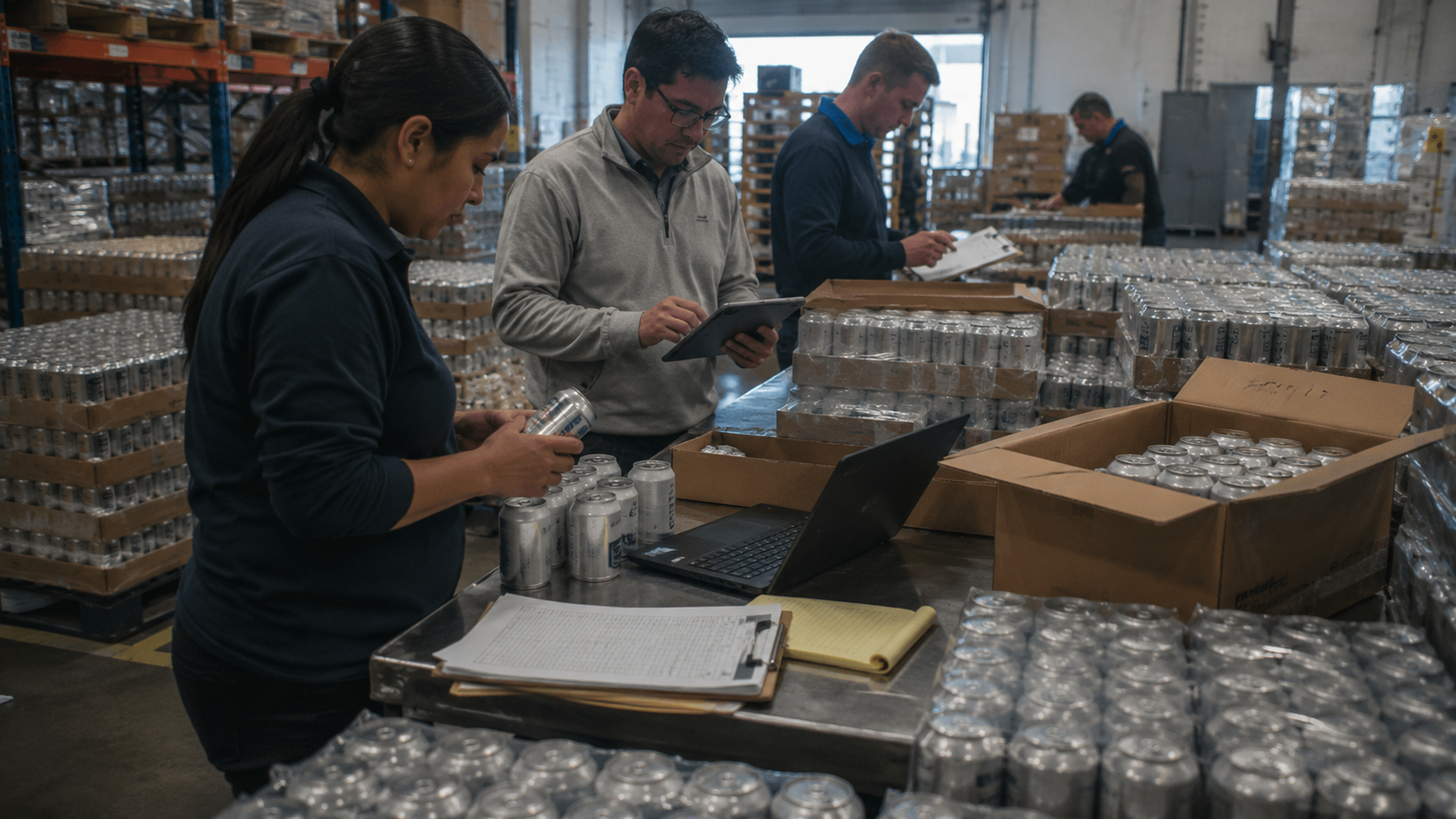
Workers review hemp THC drink inventory in a warehouse as retailers prepare for federal compliance changes.
Target’s move into hemp THC beverages is not just a retail story. It is a market signal. High Times reports that the company is expanding intoxicating hemp THC drinks into more than 300 stores across Florida, Texas, and Illinois, even though a federal hemp THC limit is scheduled to take effect on November 13, 2026. For operators, retailers, manufacturers, distributors, and investors, this raises a serious question. Are major retailers betting on delay, lobbying pressure, manageable inventory risk, or a future carveout that smaller businesses cannot count on yet?
Quick facts
• High Times reports that Target is expanding intoxicating hemp THC beverages into more than 300 stores across Florida, Texas, and Illinois
• The article says the future federal hemp limit is scheduled to take effect on November 13, 2026
• The reported future cap is 0.4 milligrams of total THC per container
• The article says many of the beverages now being sold would exceed that future threshold
• The move puts more pressure on inventory planning, supplier contracts, and product compliance
• The universal operator lesson is simple: large retailers may be able to absorb category risk that smaller operators cannot
If hemp beverage uncertainty is affecting your growth plan, Start with our quick Cannashield intake form so you can map product, inventory, and insurance exposure before the rules tighten.
What this Target move actually signals
The most important part of this story is not just that Target added more stores. It is that a major national retailer is willing to expand into a category that may face a hard federal reset in a matter of months. According to High Times, Target is expanding a hemp THC beverage program that began with a smaller pilot and now includes a much broader footprint across three states.
That matters because companies like Target do not usually make category decisions casually. They have legal teams, procurement systems, compliance review, inventory controls, and strategic forecasting. When a retailer of that size steps further into a product category with a potential regulatory cliff in sight, the rest of the market pays attention.
This does not automatically mean Target knows the future. It does mean the company appears comfortable enough with the risk to keep moving. That alone is useful information for operators trying to read where the market is going.
Why the November deadline matters
The federal issue hanging over this category is the future THC limit. High Times reports that beginning November 13, 2026, hemp products will face a federal restriction that would allow only products containing no more than 0.4 milligrams of total THC per container. The White House’s 2026 National Drug Control Strategy also makes clear that federal officials are targeting psychoactive hemp products more aggressively and view them as part of a broader enforcement issue.
This is where the real business pressure starts. If the future rule lands as expected, product formulation, packaging, contracts, and inventory could all get hit. Businesses carrying products above that threshold may have to move inventory quickly, discount it, reformulate, or exit the category. For a large retailer, that may be an accounting issue. For a smaller operator, it could be a cash flow issue.
This is the universal operator lesson. Regulatory timing matters, but business size matters too. A large retailer may be able to take a write down and move on. A smaller operator may not have the balance sheet to make the same bet.
If looming federal restrictions are affecting how you plan or negotiate, Complete our quick Cannashield intake form to pressure test your inventory, supplier, and compliance exposure before the timeline gets shorter.
The tax gap is part of the story
Another reason this story matters is the gap between hemp and licensed cannabis. High Times points out that hemp THC beverage sellers can often operate under a more traditional federal tax structure, while licensed adult use cannabis operators still face major pressure from Section 280E. That creates a strange market imbalance.
A mainstream retailer may be able to sell a THC beverage, deduct ordinary business expenses, and carry the category in a conventional retail system. A licensed cannabis operator selling a similar product may face a much harsher tax burden and a more restrictive operating structure. Even with federal cannabis rescheduling progress in the medical lane, adult use businesses are still watching the hemp side get easier economics in many cases.
That is why this is not just a Target story. It is a category structure story. It shows how the market can reward one channel while pressuring another, even when the consumer experience looks similar.
What operators should be watching now
Operators should focus on a few practical questions. Which products in your lineup would fail under the future threshold? How much inventory are you willing to carry into the fall? What do your supplier contracts say about returns, reformulation, or unsellable stock? Are you building revenue around a category that may face a sharp reset?
Retailers and distributors should also think about shelf strategy. If larger national chains are testing demand now, that may create opportunity in the short term. But short term demand can become long term pain if businesses overbuy or assume the rules will soften. The safer move is to stay flexible and make sure your documents, vendor relationships, and inventory assumptions can survive more than one outcome.
If you need to organize your product, supplier, and compliance records before the next federal shift, Complete our quick Cannashield intake form to identify weak points and build a cleaner operating plan.
You might also like


Conclusion
Target’s expansion into hemp THC beverages is a serious market signal, but it is not a guarantee that the category is safe. It may reflect confidence, lobbying expectations, inventory math, or simple tolerance for risk at a scale most businesses do not have.
For operators, the message is simple. Do not confuse a large retailer’s risk appetite with your own safety. Review the product, review the contract, review the inventory, and plan like the rule could still hit on time.
Educational note: This article is for education only and is not legal, regulatory, tax, financial, or insurance advice.
What To Do This Week
• Review which beverage products exceed the future 0.4 milligram total THC per container threshold
• Check supplier contracts for return rights, reformulation duties, and inventory risk language
• Separate short life inventory from longer life inventory so decisions are clearer
• Review how much revenue depends on hemp beverages versus other product lines
• Build a simple plan for markdowns, reformulation, or category exit if needed
• Track federal timing and policy updates so leadership is not surprised
FAQ
What did Target do?
High Times reports that Target expanded intoxicating hemp THC beverages into more than 300 stores across Florida, Texas, and Illinois.
Why is this a big deal?
Because the category is expanding just months before a reported federal THC limit is scheduled to take effect.
What is the future federal threshold?
The reported threshold is 0.4 milligrams of total THC per container.
Why would a retailer still expand if the rule is coming?
Possible explanations include confidence in delay, manageable inventory risk, lobbying pressure, or belief that the final rule may change.
Why does this matter to smaller operators?
Because large retailers may be able to absorb losses or write downs more easily than smaller businesses.
What is the biggest operator takeaway?
Do not assume a major retailer’s move means the regulatory risk is gone. Plan for multiple outcomes.
SOURCES
High Times, Target Just Made A Big Bet On Hemp THC Drinks Six Months Before A Federal Ban. Do They Know Something We Don’t?
https://hightimes.com/business/target-just-made-a-big-bet-on-hemp-thc-drinks-six-months-before-a-federal-ban-do-they-know-something-we-dont/
The White House, 2026 National Drug Control Strategy
https://www.whitehouse.gov/wp-content/uploads/2026/05/National-Drug-Control-Strategy-2026-1.pdf
Cannabis Business Times, Trump Administration Claims New Legal Authority to Dismantle Intoxicating Hemp Products
https://www.cannabisbusinesstimes.com/hemp/news/15824298/trump-administration-claims-new-legal-authority-to-dismantle-intoxicating-hemp-products/

Houston misdemeanor cannabis possession arrests have risen nearly 1,200 percent, from an average of about 35 per year from 2021 through 2023 to roughly 440 annually during the current mayoral administration. The surge comes as voters prepare to decide whether low level cannabis possession should become HPD's lowest enforcement priority.