
Virginia is already legal to possess, but retail sales are the real needle mover
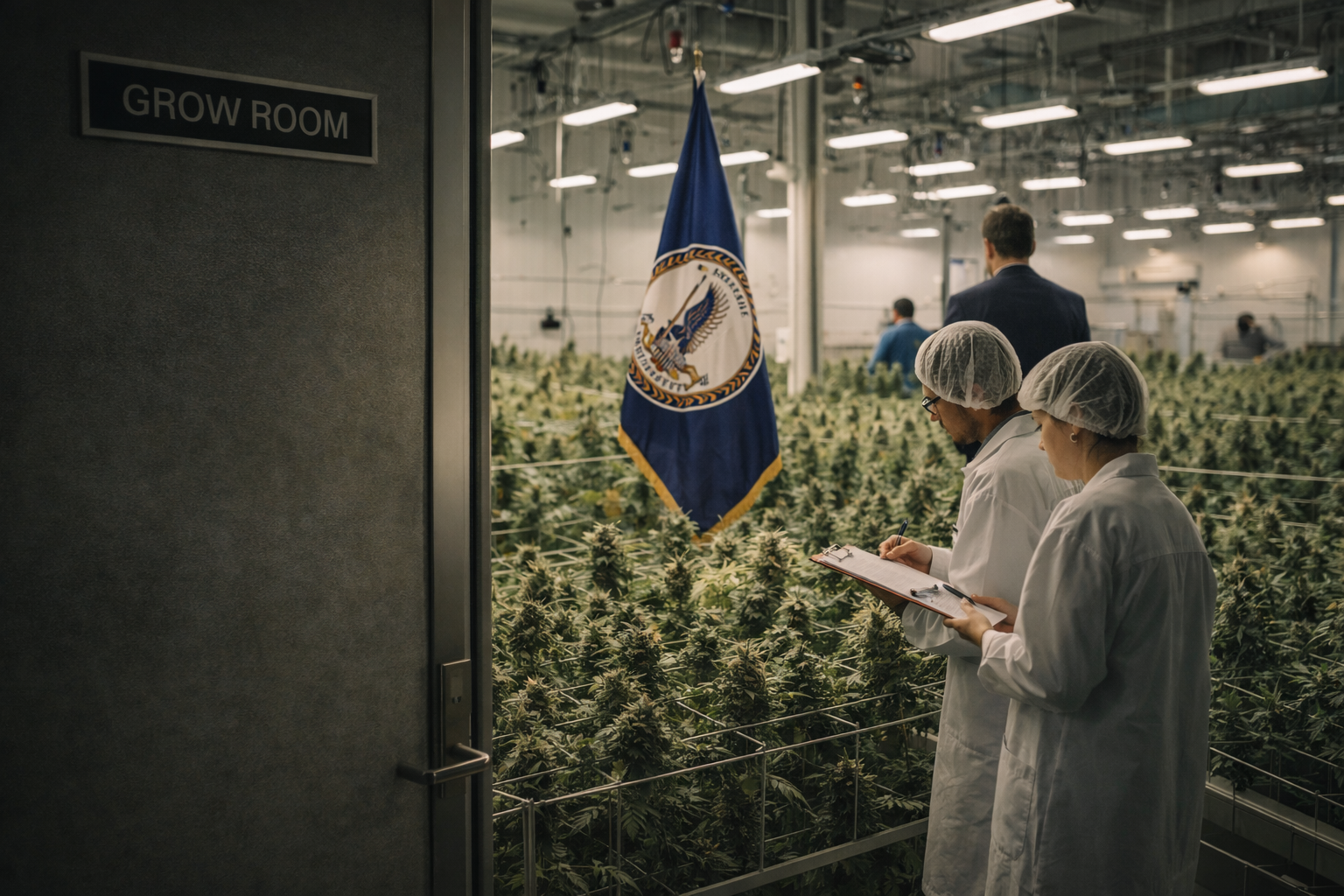
Regulators inspecting a cannabis grow room as Virginia moves toward regulated adult use retail sales and licensing.
Virginia is in that rare, awkward middle stage that a lot of states never admit out loud. Adults can legally possess cannabis, and home grow is allowed, but there still is not a fully regulated adult use retail system where an adult can walk in, buy, and leave with clarity.
That gap matters because “legal to possess” is not the same as “legal to buy.” Possession laws reduce criminal exposure, but they do not build a marketplace. A marketplace is where the real infrastructure shows up: licensing, tax revenue, safer products, consistent testing, and clearer enforcement rules for everyone involved.
That is why the latest policy movement in Virginia is worth watching closely. Bills advancing around regulated retail sales are the difference between cannabis being tolerated and cannabis being structured. For operators and service providers, this is the definition of a get in early state. The rules, timelines, and market lanes are still being shaped right now.
If you operate in Virginia or you are planning to enter the moment licensing opens, start by pressure testing your readiness. Start with our quick Cannashield intake form
Why “legal to possess” still leaves operators in a gray zone
When a state allows possession but delays retail sales, it creates a strange environment:
Consumers still want access, so demand finds alternative paths.
Law enforcement is left with mixed signals, which can lead to uneven enforcement.
Legit businesses and investors hesitate because there is no stable path to revenue.
Regulators have less visibility into product safety and distribution patterns.
For the market, this is where rumors grow, informal channels thrive, and compliance becomes harder to define. Even if you are doing everything right, you are still operating inside a system that is not fully built yet.
Regulated retail is what tightens that up. It establishes who can sell, where sales can occur, what standards products must meet, and how the state will actually enforce the line between licensed and unlicensed activity.
What the advancing bills are trying to build
The proposals moving in Virginia are focused on creating a comprehensive adult use framework, not a half measure. The intent is to put a single regulator in charge of licensing and oversight, set product and serving standards, define tax structure, and outline what the legal market looks like on day one.
Here are the parts operators should pay attention to because they shape real business decisions:
Regulated retail launch timing: One version targets an earlier launch date, while another targets a later start. Either way, the state is actively putting a real start line on paper.
Purchase limits: Adults would be able to buy up to a set amount per transaction, with regulators defining product equivalents.
Edible serving standards: Serving size and package caps are included, which directly affects product design and labeling.
Tax structure: The framework includes a layered tax approach that blends state taxes with an option for local taxes, which impacts pricing strategy and margins.
Delivery allowed: Delivery is part of the framework, which changes logistics, security planning, and customer experience.
Local governments cannot opt out: That is a big deal. It signals statewide market access, not a patchwork where whole regions shut the door.
Medical operators conversion: Existing medical businesses may have a pathway into adult use through a conversion structure, which affects competition and speed to market.
Labor and compliance expectations: Labor peace concepts and stronger penalties for illegal sales are part of the conversation, which signals tougher enforcement posture once the market is live.
This is the part that matters most: Virginia is not debating whether adults should be able to possess cannabis. That debate is already behind them. The state is debating how the business side should work.
Why Virginia is a “get in early” market
In mature markets, you are usually competing inside an established machine. The licensing types are known. The compliance playbook is known. The dominant operators are already positioned.
Virginia is different. When a market is still being built, early movers can win by being prepared, not just loud.
Service providers also have a real opportunity here. Real estate, security, compliance support, testing infrastructure, packaging, logistics, and risk management all start forming around the first true retail framework. The businesses that help operators launch clean often become the long term vendors and partners as the market expands.
If you want to enter Virginia early, the smartest move is to map your licensing path, your operational plan, and your risk posture before the window opens. Complete our Cannashield questionnaire
What operators should do now while the structure is being shaped
You do not need to guess where this is going. You need to prepare like it is coming.
Start with a simple operator checklist:
Track the bills weekly. Watch for changes to start dates, license categories, taxes, and local authority.
Define your lane. Retail, cultivation, manufacturing, delivery, or ancillary services. Pick one clear first move.
Build your compliance backbone early. SOPs, inventory controls, security planning, training, and recordkeeping.
Model pricing with taxes included. If you cannot make margins with taxes, you do not have a business.
Plan for enforcement clarity. Stronger penalties for illegal sales usually mean more scrutiny once rules are live.
Get insurance ready. No assumptions. Understand your exposures early so growth does not create blind spots later.
Conclusion
Virginia already took the first step by allowing adult possession. The real market step is regulated retail sales, because that is where revenue, licensing, enforcement clarity, and long term stability actually form.
Bills advancing now are a clear signal that the state is trying to move from “legal to possess” to “legal to buy.” For operators and service providers, this is the moment to pay attention, get organized, and position early while the structure is still being written.
At Cannashield, we help operators get ahead of these shifts with practical risk planning and readiness checks that match how regulated markets actually work. If you want to be prepared before Virginia retail launches, Complete our full intake form here