
West Virginia’s Cannabis Revenue Sits Idle: $34 Million Unspent
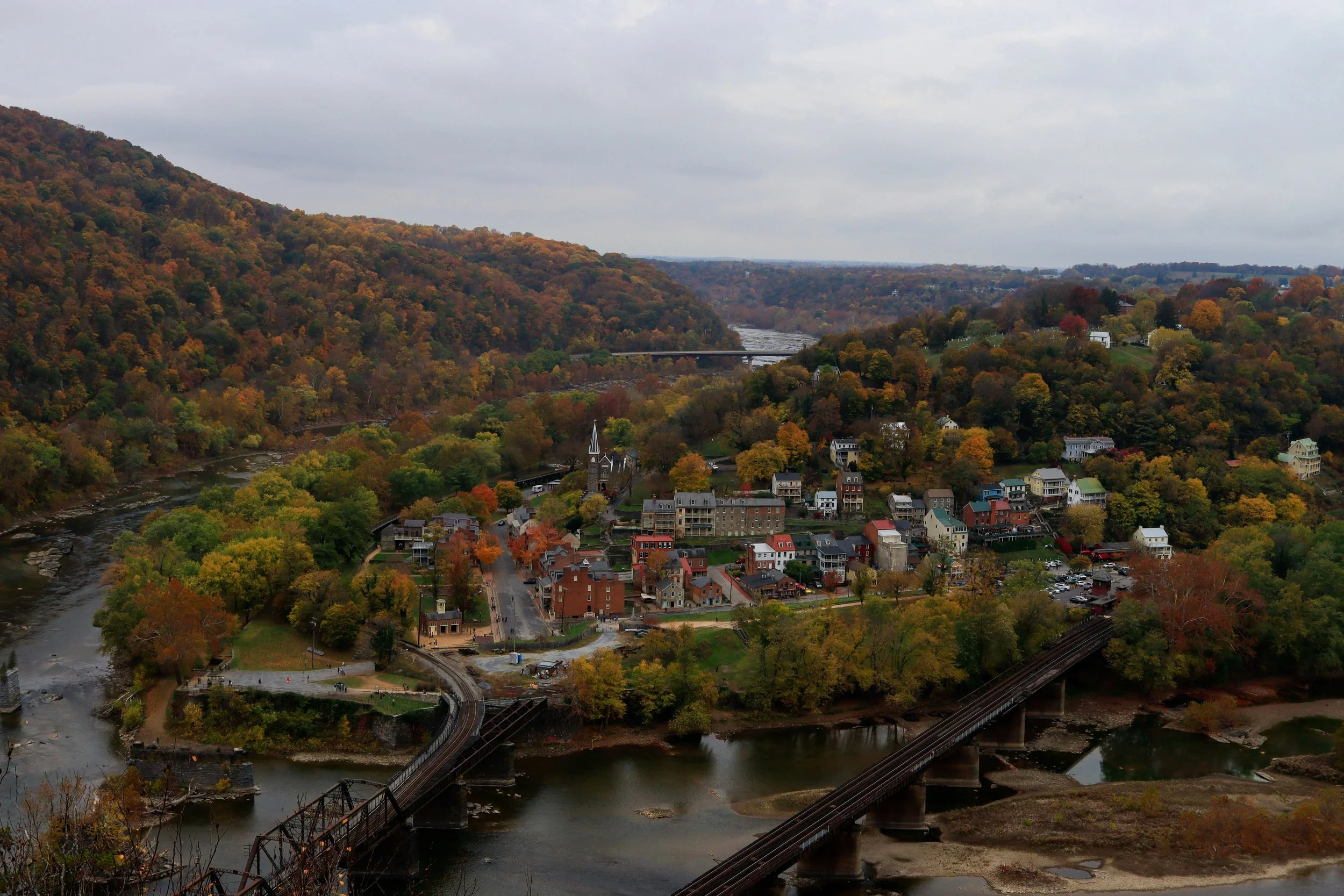
West Virginia mountain landscape at dusk photo from unsplash.com
Since West Virginia launched its medical cannabis dispensary program in 2021, the state has collected roughly $34 million in taxes and licensing fees. But according to recent reports, not a single dollar of that revenue has been allocated to the programs it was meant to fund.

This unused money, originally intended to support patient access, public education, addiction recovery, and regulatory enforcement, now sits dormant in state accounts. For patients, operators, and advocates, it’s raising serious questions about transparency, accountability, and the state’s commitment to developing a functional cannabis industry.
If you’re a cannabis operator working in a state with unclear funding or compliance structures, Start with our quick Cannashield intake form to assess your exposure and strengthen your risk management strategy.
A Program That’s Earning — But Not Investing
West Virginia’s medical cannabis program was designed with a clear purpose: to generate sustainable revenue while supporting public health and safe access. That vision, however, has yet to materialize.

Since 2021, the state’s Office of Medical Cannabis has issued dozens of dispensary, cultivation, and processing licenses, generating millions in application and operational fees. Combined with excise and sales taxes, total revenue has now surpassed $34 million, according to data from the News and Sentinel.

But here’s the catch: none of that money has been distributed to the state-mandated programs outlined in West Virginia’s medical cannabis law — including substance abuse prevention, veteran support, and local public health initiatives.

Critics argue that the funds could have already made a measurable difference in communities across the state. Instead, the money remains tied up in government accounts as the medical market struggles to gain stability.
A Missed Opportunity for Patients and Communities
The issue goes beyond government inefficiency — it affects real people. Patients in West Virginia’s medical program often face limited access to products, long travel distances to dispensaries, and inconsistent supply availability.

Without reinvestment, these challenges persist. The state could be using this revenue to:

•   Expand patient education programs about cannabis use and safety.
•   Subsidize license fees or operational costs for small or locally owned dispensaries.
•   Invest in addiction treatment programs that align with harm reduction principles.
•   Improve testing infrastructure to ensure consistent product quality.

Instead, the program’s potential impact is being lost to bureaucracy. As other states reinvest cannabis tax dollars into communities — from housing programs in Illinois to school funding in Colorado — West Virginia’s funds remain untouched.
Want to ensure your business or operation stays compliant and resilient amid state-level inefficiencies? Complete our Cannashield questionnaire to protect your investment and navigate shifting policies confidently.
Why It Matters for the Cannabis Industry
For cannabis operators, this story is more than a local policy failure — it’s a reminder that government systems don’t always move at market speed. When programs stall, operators face the consequences first.

Unspent tax revenue often signals deeper systemic issues:

•   Delays in regulatory decision-making.
•   Lack of administrative oversight or coordination.
•   Gaps between legislation and practical implementation.

For West Virginia, it also underscores how easily the medical cannabis system can stagnate without dedicated investment. Operators who pay into the system expect infrastructure improvements, faster processing times, and reinvestment in patient services — not a financial bottleneck.

As the market evolves, states that manage their revenue transparently will attract stronger investment and operator confidence. Those that don’t risk losing momentum — or worse, public trust.
A Lesson for Emerging Markets
West Virginia’s situation serves as a cautionary tale for other emerging medical and recreational markets. Collecting taxes is easy; building sustainable programs that use those funds effectively is not.

Operators entering newly legalized states should be aware of how their taxes and fees are used — or not used. While governments often promise reinvestment in equity, education, and enforcement, follow-through varies widely from state to state.

For cannabis businesses, this reinforces the importance of risk management and adaptability. A stagnant regulatory environment can impact everything from licensing timelines and insurance requirements to financial planning and operational security.

By staying proactive, operators can better position themselves to succeed regardless of how well their state manages its funds.
Get ahead of the uncertainty. Fill out our Cannashield intake form to prepare your compliance, insurance, and risk strategy in any state market.
Conclusion
West Virginia’s unspent $34 million isn’t just a number — it’s a symbol of missed opportunity. The state’s medical cannabis program has proven profitable but not purposeful, with funds sitting idle while patients, operators, and communities wait for promised benefits.

Until those dollars are reinvested where they were intended, West Virginia’s cannabis market will remain stuck in neutral — profitable on paper but underperforming in practice.

For cannabis operators, this situation highlights why financial vigilance, compliance, and proper risk management are essential in an industry where government inefficiency can impact business stability overnight.

At Cannashield, we help cannabis businesses protect what they’ve built by navigating uncertainty with strategy, compliance, and tailored insurance coverage.
Complete our full intake form here to secure your business and stay prepared as cannabis markets — and state policies — continue to evolve.
Read the full article here →