
$3 Million Jury Award Highlights Legal Risks Inside Cannabis Facilities
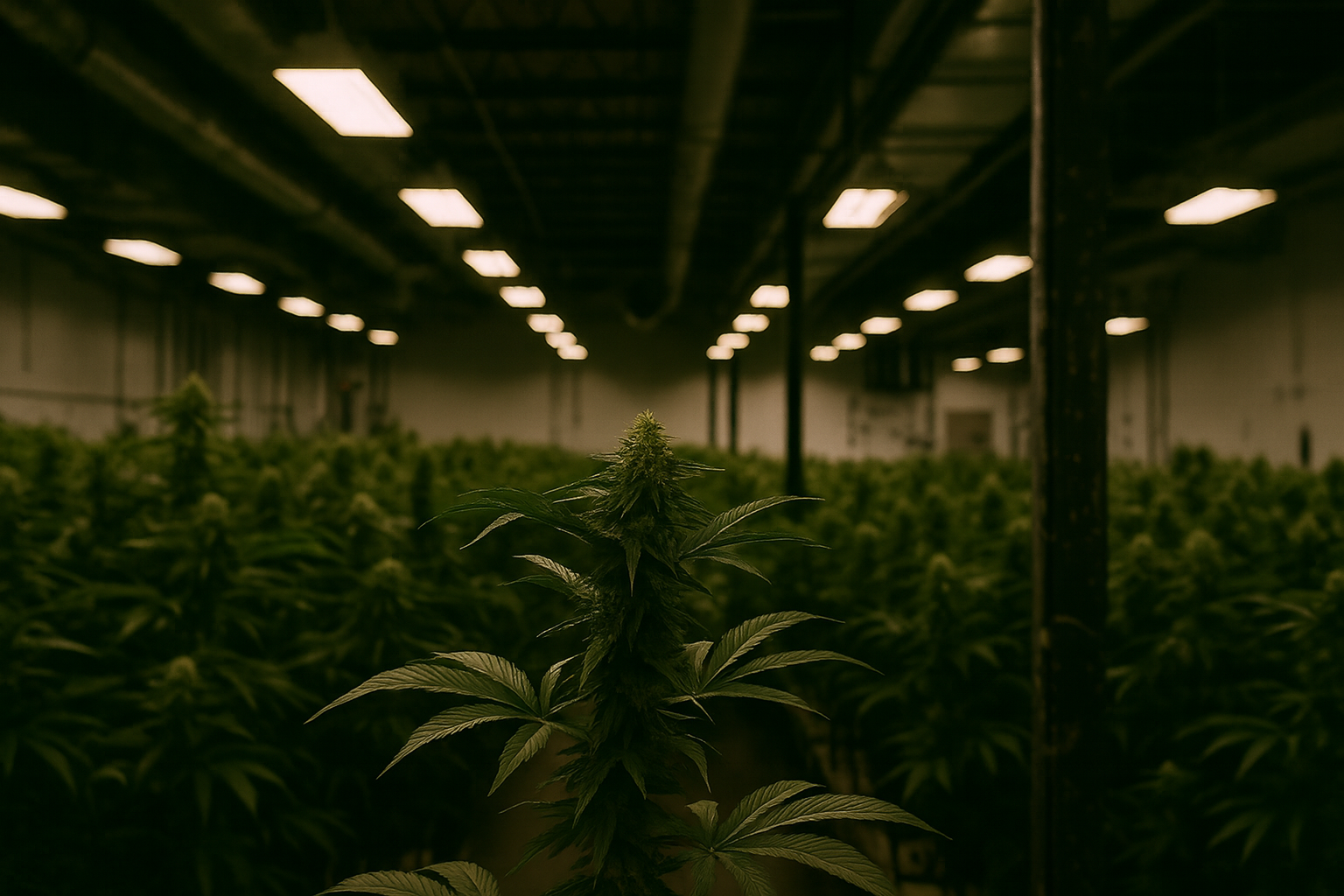
Cannabis plant inside a commercial grow room, representing the $3 million jury award after a consultant was injured at a cultivation and manufacturing facility.
A recent $3 million jury award in St. Louis has sent shockwaves through the cannabis industry. A cannabis consultant was seriously injured while working inside a cultivation and manufacturing facility — and the jury ruled in his favor, holding the operator liable for unsafe conditions and preventable hazards.
This case is a wake-up call for cultivators, manufacturers, processors, and vertically integrated operators. As the industry matures, legal exposure is rising, and the courts are making it clear: cannabis businesses will be held to the same safety and liability standards as any other commercial operation — if not higher.
If your facility hasn’t been professionally evaluated for risk, compliance, and insurance adequacy, now is the time. Start with our quick Cannashield intake form to protect your operation before accidents become lawsuits.
The Case That Sparked the Industry’s Attention
According to court documents, the consultant was performing contracted work at a Missouri cultivation and extraction site when he suffered significant injuries due to unsafe site conditions. The injuries were severe enough to require medical care, rehabilitation, and extended time away from work.
A St. Louis jury ruled that the cannabis operator failed to maintain a reasonably safe environment — awarding $3 million in damages, including coverage for medical expenses and lost income.
This case reinforces a reality many cannabis operators underestimate:
The moment someone steps into your facility, you are liable for their safety — no exceptions.
Not sure if your facility meets minimum safety standards? Complete our Cannashield questionnaire to identify compliance gaps and insurance vulnerabilities before they cost you.
Why Cannabis Facilities Face Elevated Liability
Cannabis facilities — especially cultivation and manufacturing sites — carry unique risks:
1. Workplace Hazards Are Intensified
High-humidity grow rooms
Wet floors
Sharp tools
Elevated platforms
Heavy equipment
CO₂ systems
Electrical hazards
Concentrate extraction risks
All of these increase the likelihood of workplace injuries.
2. Many Facilities Lack Formal Safety Programs
Unlike traditional manufacturing industries, cannabis is still catching up on OSHA-level standards, documented SOPs, hazard training, and risk-mitigation systems.
3. High Turnover Increases Exposure
New employees, contractors, and consultants frequently enter facilities with uneven safety training.
4. Insurance Coverage Is Often Incomplete
Many operators assume basic general liability is enough — but cannabis facilities require specialized coverage due to chemical, environmental, and equipment risks.
5. Courts Are Treating Cannabis Like Any Other Industry
And that means no excuses. “New industry” is no defense.
This case is the latest example of courts stepping in when operators fail to proactively manage risk.
What Operators Can Learn From the Missouri Verdict
The $3 million award did more than compensate an injured worker — it clarified the legal expectations placed on cannabis facilities.
Here are the key lessons:
1. Documentation Matters
If you can’t document safety programs, training, inspections, and protocols, courts assume they don’t exist.
2. Visitors and Contractors Must Be Protected
It’s not just your employees — anyone on-site is your responsibility.
3. Proper Insurance Is Not Optional
Without the right coverage, a single lawsuit can financially devastate a facility.
4. Compliance Must Be Ongoing, Not Reactive
Waiting until regulators or courts intervene is costly and damaging.
5. Facility Safety Is a Business Investment
Safer facilities have lower claims, lower premiums, and fewer legal risks.
Want to ensure your facility is protected from lawsuits like this? Fill out our Cannashield intake form to build a custom risk and insurance plan.
How Facilities Can Protect Themselves Moving Forward
Operators who want to avoid becoming the next headline must take action now.
Here’s what cannabis facilities should be doing immediately:
1. Conduct a Full Facility Risk Assessment
Evaluate hazards related to environment, equipment, processes, electrical systems, ventilation, and extraction operations.
2. Implement OSHA-Style Safety Protocols
Including PPE policies, hazard communication, emergency response plans, and equipment training.
3. Review and Upgrade Insurance Coverage
Essential coverages include:
General liability
Workers’ compensation
Product liability
Premises liability
Contractors/visitors’ liability
Equipment breakdown
Pollution liability (often overlooked)
4. Train Employees and Contractors Consistently
Document every training session and require signatures.
5. Establish Strong Contractor Agreements
With indemnification clauses, risk waivers, and insurance verification.
6. Strengthen Maintenance and Inspection Logs
Courts want to see evidence you actively maintain a safe workplace.
Conclusion
The St. Louis jury awarding $3 million to an injured cannabis consultant is a clear signal: cannabis facilities carry real legal exposure, and operators must treat safety, compliance, and insurance as core business functions — not afterthoughts.
As the cannabis industry matures, the legal expectations placed on operators will only increase. The smartest facilities will be the ones that invest in risk management now — because prevention is far cheaper than litigation.
At Cannashield, we help cultivators, manufacturers, extraction labs, and vertical operators protect themselves with tailored insurance programs, compliance structures, and risk-management strategies that meet the realities of cannabis operations.
Complete our full intake form here to safeguard your business and avoid becoming the next multimillion-dollar legal case.
Read the full article here →