

Why the Upcoming DOJ Hearing Matters for Cannabis Operators
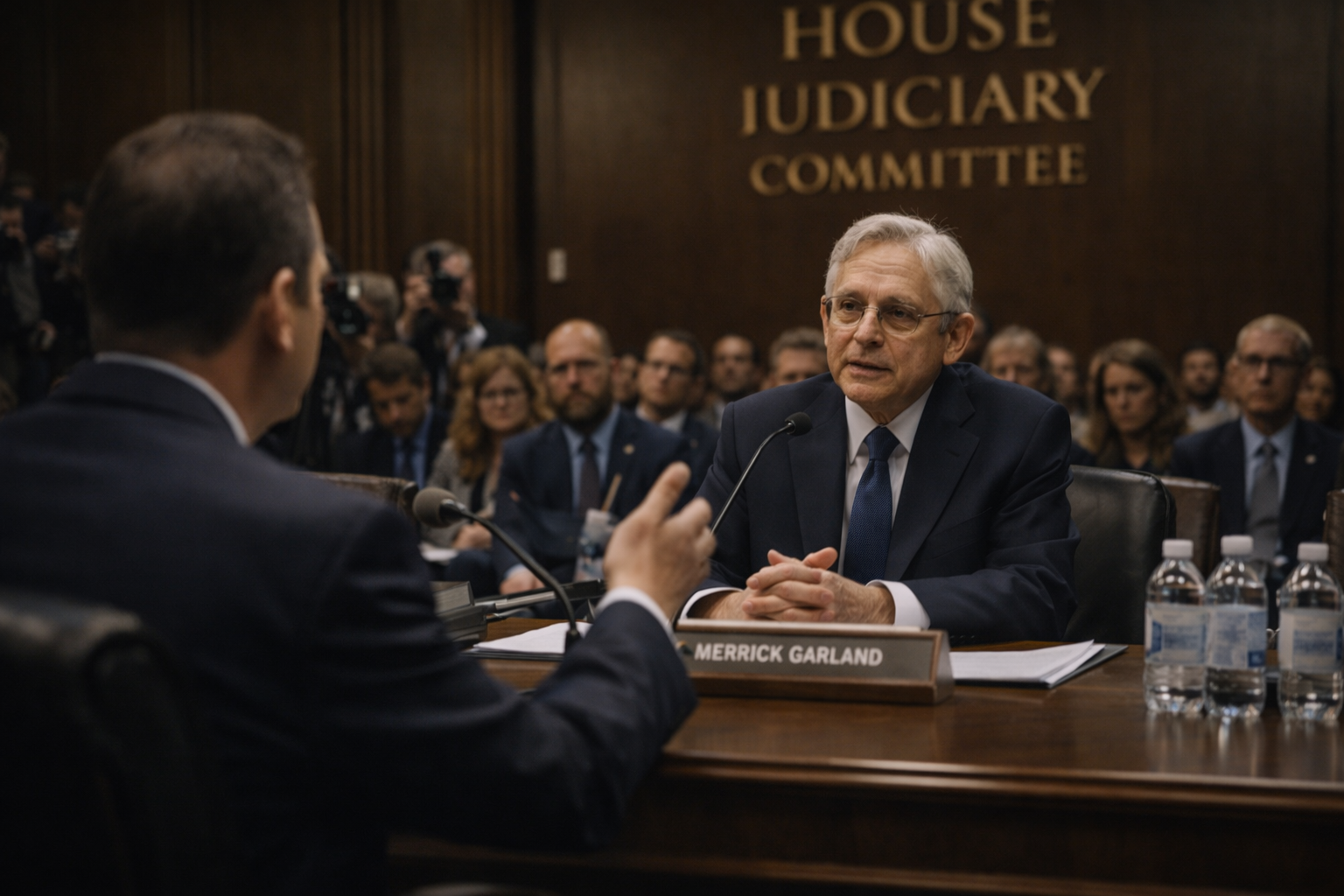
U.S. Attorney General testifying before the House Judiciary Committee on cannabis rescheduling.
Industry advocates and reform groups are preparing for a House Judiciary Committee hearing where the U.S. Attorney General is expected to face direct questions about the federal cannabis rescheduling process. While an executive order issued in late 2025 directed federal agencies to move forward with reclassification work, public updates from the Department of Justice have been limited. That silence has left operators, investors, and lenders in a holding pattern.
This hearing matters because it may offer the first clear directional signals since the executive order. Even if no final decision is announced, tone, language, and timelines shared during testimony can influence how markets behave. In cannabis, guidance often moves capital and compliance decisions long before formal rules are published.
If your business depends on federal clarity around banking, compliance, or enforcement risk, now is a good time to reassess readiness. Start with our quick Cannashield intake form.
Why the Lack of DOJ Clarity Has Created Friction
The executive order set expectations that federal rescheduling work was underway. What it did not provide was a timeline or detailed explanation of how the Department of Justice would approach its role.
That gap has created uncertainty in several areas:
• Capital deployment decisions
• Banking and payment access planning
• Compliance strategy across states
• Enforcement posture assumptions
Markets dislike uncertainty. Without clear communication from DOJ, many businesses have slowed decisions or built multiple contingency plans.
If uncertainty is affecting how you plan or finance operations, Complete our Cannashield questionnaire to review exposure.
Why This Hearing Is Different From Past Discussions
Congressional hearings often repeat familiar talking points. This one stands out because it follows a direct executive order and comes at a moment when agencies are expected to act.
Lawmakers are likely to press for:
• Status updates on rescheduling work
• Expected next steps from DOJ
• Coordination with other federal agencies
• Clarification of enforcement priorities
Even partial answers can provide insight into how quickly agencies intend to move.
Capital Flows Respond to Signals, Not Just Outcomes
In cannabis, markets rarely wait for final rules. They respond to signals.
If the Attorney General suggests progress, clarity, or defined timelines, capital may begin to flow more confidently. If responses remain vague, caution may continue.
Potential impacts include:
• Shifts in investor sentiment
• Changes in lending appetite
• Adjustments to valuation assumptions
• Reassessment of expansion plans
Operators who understand this dynamic can position themselves ahead of reactions.
If capital access is part of your growth plan, Complete our Cannashield questionnaire, to align risk and insurance strategy.
Compliance Planning Hinges on Federal Direction
Federal rescheduling affects more than classification. It influences how agencies interpret enforcement priorities and how states align their own rules.
Clear direction from DOJ could help operators:
• Standardize compliance assumptions
• Reduce guesswork around enforcement risk
• Align internal policies with federal posture
• Communicate more confidently with partners
Without that direction, many businesses continue operating defensively.
Banking and Financial Access Remain Tied to DOJ Posture
Even as rescheduling discussions progress, banking access remains uneven. Financial institutions often look to DOJ guidance when assessing risk tolerance.
Signals from this hearing could influence:
• Whether banks reengage cautiously
• How compliance departments interpret exposure
• Timing of pilot programs or expanded services
While one hearing will not change everything, it can set tone.
Enforcement Posture Is the Quiet Variable
One of the most important but least discussed aspects of rescheduling is enforcement.
Operators want to know:
• How DOJ will prioritize cases
• Whether enforcement discretion will shift
• How federal and state coordination will work
Language used during testimony can offer clues, even without formal policy changes.
If enforcement uncertainty affects your day to day operations, Complete our Cannashield questionnaire, to build a resilient risk plan.
Why Operators Should Pay Attention Even Without Immediate Change
Some businesses tune out hearings because they expect no immediate outcome. That can be a mistake.
Hearings often:
• Signal future policy direction
• Shape media narratives
• Influence agency behavior
• Guide stakeholder expectations
Operators who track these signals can adjust faster than those waiting for final announcements.
Preparing for Multiple Scenarios Is the Smart Move
Until clear guidance is issued, the best approach is flexibility.
Practical preparation includes:
• Reviewing compliance assumptions under different federal outcomes
• Stress testing insurance coverage for enforcement scenarios
• Keeping documentation current and organized
• Monitoring communications from regulators and lenders
Preparation reduces disruption regardless of which direction policy takes.
Why This Moment Matters for the Industry
This hearing represents a moment of accountability. Lawmakers are asking for answers, and agencies are being pushed to communicate clearly.
For an industry that has long operated under ambiguity, even incremental clarity can have meaningful effects.
Conclusion
The upcoming House Judiciary Committee hearing has the potential to provide long awaited signals about the federal cannabis rescheduling process. While no single event will resolve uncertainty overnight, guidance from the Department of Justice can influence capital flows, compliance planning, banking access, and enforcement assumptions.
For cannabis operators, paying attention now matters. Markets move on signals, not just statutes.
At Cannashield, we help businesses navigate federal uncertainty with insurance solutions, compliance guidance, and risk strategies designed for changing conditions.
Complete our full intake form here.