

Louisiana Hospital Cannabis Bill Creates a Narrow Access Lane
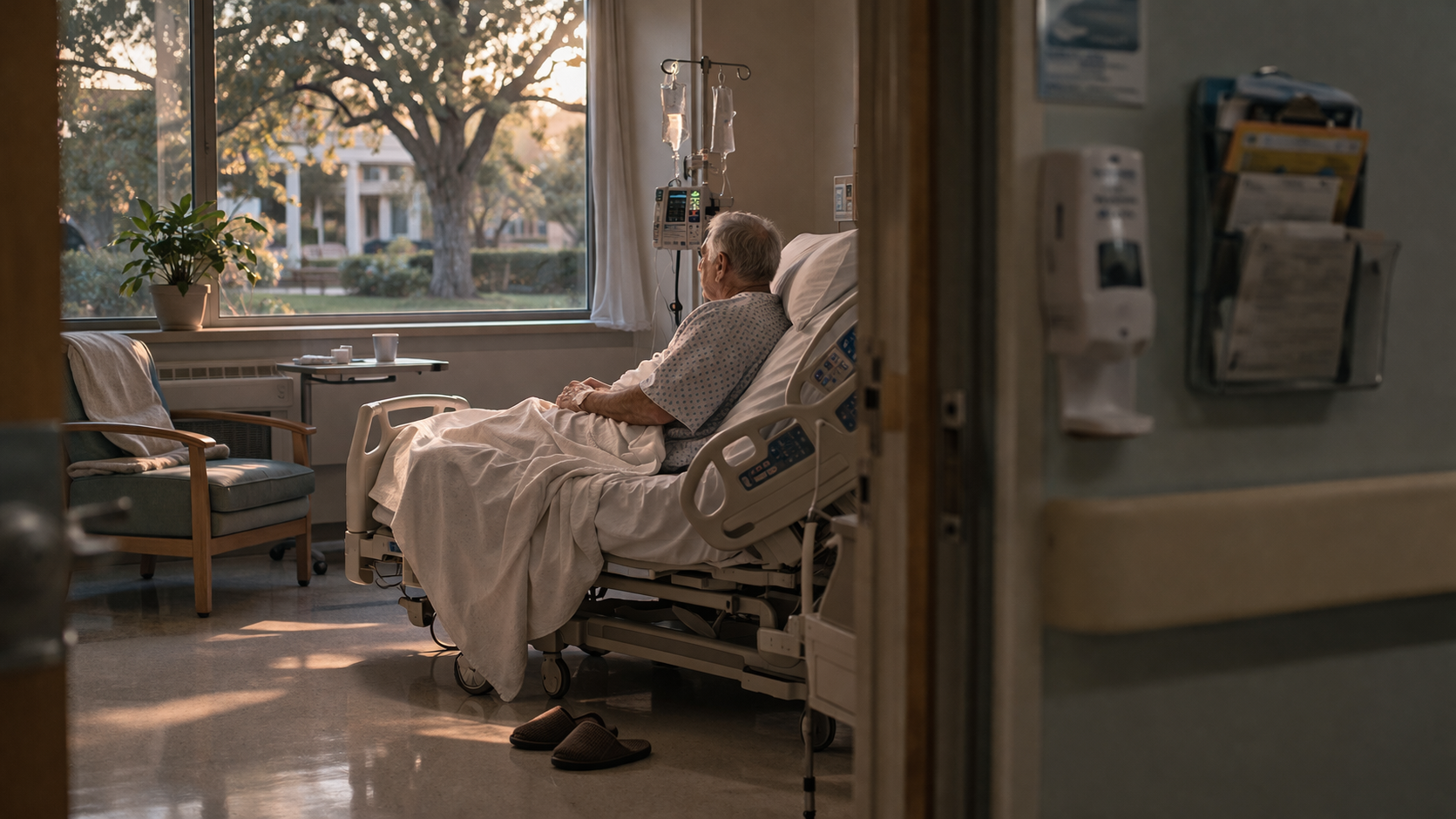
Hospital room scene showing a terminal patient and the policy context around medical cannabis access, locked storage, and non smoking rules.
Louisiana medical cannabis hospital use moved one step closer after SB 270 was reported with amendments on April 1, 2026, and is now scheduled for Senate floor action on April 7, 2026. The bill would allow a patient with a terminal and irreversible condition to use medical cannabis in a healthcare facility, but only inside a tightly controlled lane. The official bill page and committee amendment make clear this is not broad hospital access. It is a narrow patient use framework built around written hospital guidelines, locked storage, non smoking forms, and strict limits on what hospital staff can do.
If hospital cannabis access rules could affect your healthcare, compliance, or patient facing operations, Start with our quick Cannashield intake form so you can map documentation and policy exposure before the law shifts.
Quick facts
• SB 270 was reported with amendments on April 1, 2026 and is scheduled for Senate floor action on April 7, 2026.
• The bill would allow patient use of medical cannabis in a healthcare facility, but smoking and vaping would be prohibited.
• Hospitals would have to develop, disseminate, and train staff on written guidelines for patient use.
• The amended bill says the patient or primary caregiver must acquire, retrieve, administer, and remove the cannabis.
• The amended bill says healthcare professionals and facility staff could not administer, store, retrieve, or assist with the cannabis.
• Emergency departments, outpatient departments, and certain hospital behavioral health units would be outside the bill’s definition of covered healthcare facility.
This Is Compassion Access With Hard Guardrails
The most important thing about SB 270 is how narrow it is. The bill is aimed at patients with a terminal and irreversible condition, not general inpatient cannabis use. The original bill already required hospitals to permit use only under written guidelines, include the use in the patient’s medical record, require a valid recommendation, and prohibit smoking or vaping. The committee amendment goes further by shifting actual custody and use responsibilities away from hospital staff and onto the patient or primary caregiver. That is the real design choice here. Louisiana is trying to create access without turning hospital employees into cannabis handlers. [Hospital Cannabis Policy Checklist] [Patient Access Documentation Review]
The amendment language is especially clear on control. It says the patient or caregiver must be responsible for acquiring, retrieving, administering, and removing the cannabis. It says the product must be stored securely in a locked container provided by the patient, either in the patient’s room, another designated area, or with the primary caregiver, subject to facility policy. It also says any remaining product must be removed at discharge, and if that cannot happen, the facility must dispose of it under its own policy and procedure. In plain English, the bill is trying to prevent casual handling, loose storage, and gray area responsibility inside a hospital room.
If your team needs a tighter way to think about custody, storage, and patient use policies, Complete our quick Cannashield intake form and request a documentation review built around real operational handoffs.
The Staff Rule Is The Whole Story
The amended bill makes one thing unmistakable. Hospital staff cannot be the bridge between patient access and actual use. The text says physicians, nurses, pharmacists, and other healthcare facility staff would be prohibited from administering, storing, retrieving, or assisting the patient with medical cannabis. That matters because it draws the legal and operational line in the simplest possible place. The patient side handles the cannabis. The hospital side handles the policy, the room rules, and the documentation.
That split is the universal operator lesson here. Cannabis access in a healthcare setting only works when custody, liability, and workflow are clearly separated. If a bill leaves staff stuck in the middle, it creates confusion fast. Louisiana’s committee amendment appears to be trying to solve that by keeping staff out of the physical chain of possession while still requiring hospitals to create written rules and train staff on them. That is an inference based on the structure of the amendment and the original bill text. [Healthcare Facility Workflow Controls] [Medical Cannabis Staff Training SOP]
Why The Federal Escape Hatch Matters
The original bill also includes a pressure release valve that deserves attention. It says a healthcare facility may suspend compliance if a federal regulatory agency, the U.S. Department of Justice, or CMS takes enforcement action related to compliance with a state regulated cannabis program, or if those agencies issue a rule or notice that expressly prohibits the use of medical cannabis in healthcare facilities. The bill also says compliance would not be a condition for obtaining, retaining, or renewing a healthcare facility license. That tells you lawmakers understand the biggest hospital concern is not just patient care. It is federal conflict and institutional risk.
This is why SB 270 is more serious than a feel good headline. It is trying to create a compassionate use lane while still giving hospitals a way to pull back if federal pressure arrives. That makes it a useful case study for other states. Access rules move farther when lawmakers show they understand facility liability, licensing anxiety, and the practical difference between a patient right and a staff obligation. That is an inference supported by the bill’s suspension language and licensing protection language.
If uncertainty around patient access, healthcare policy, or cannabis handling rules is affecting your next move, Complete our quick Cannashield intake form so you can identify weak spots before policy changes force rushed decisions.
Conclusion
SB 270 does not open hospitals to broad cannabis use. It creates a very narrow lane for eligible patients, with tight rules on form, storage, custody, and staff involvement. That is exactly why it matters. The bill is a reminder that the next phase of cannabis policy is not always about more access. Sometimes it is about cleaner boundaries. If enacted, SB 270 would take effect August 1, 2026.
Educational note: This article is for education only and is not legal, regulatory, healthcare, tax, or insurance advice.
What To Do This Week
Based on SB 270’s current text and amended structure, here is what to do this week.
• Review whether your facility or client has a written cannabis access policy for terminal patients.
• Separate patient or caregiver responsibilities from staff responsibilities in one clear workflow.
• Build a locked storage protocol that works in patient rooms and designated care settings.
• Train staff on what they can document and what they cannot physically do.
• Check whether emergency, outpatient, or behavioral health settings would sit outside the policy.
• Prepare a federal risk response plan if CMS, DOJ, or another regulator changes posture.
FAQ
What would SB 270 allow?
It would allow patient use of medical cannabis in a covered healthcare facility for a patient with a terminal and irreversible condition, subject to the bill’s restrictions.
Would smoking or vaping be allowed?
No. The bill prohibits smoking and vaping as methods of use.
Who would have to handle the cannabis?
The patient or the primary caregiver would have to acquire, retrieve, administer, and remove it.
Could hospital staff help administer it?
No. The amended bill says hospital staff, including physicians, nurses, and pharmacists, could not administer, store, retrieve, or assist with it.
Are all hospital settings covered?
No. The amendment excludes emergency departments, outpatient departments, and certain hospital behavioral health units from the covered healthcare facility definition.
Can a hospital suspend compliance later?
Yes. The original bill says a facility may suspend compliance if certain federal agencies take enforcement action or issue a prohibitory rule or notice.