
New York Cannabis Market Integrity Is Now The Pressure Point
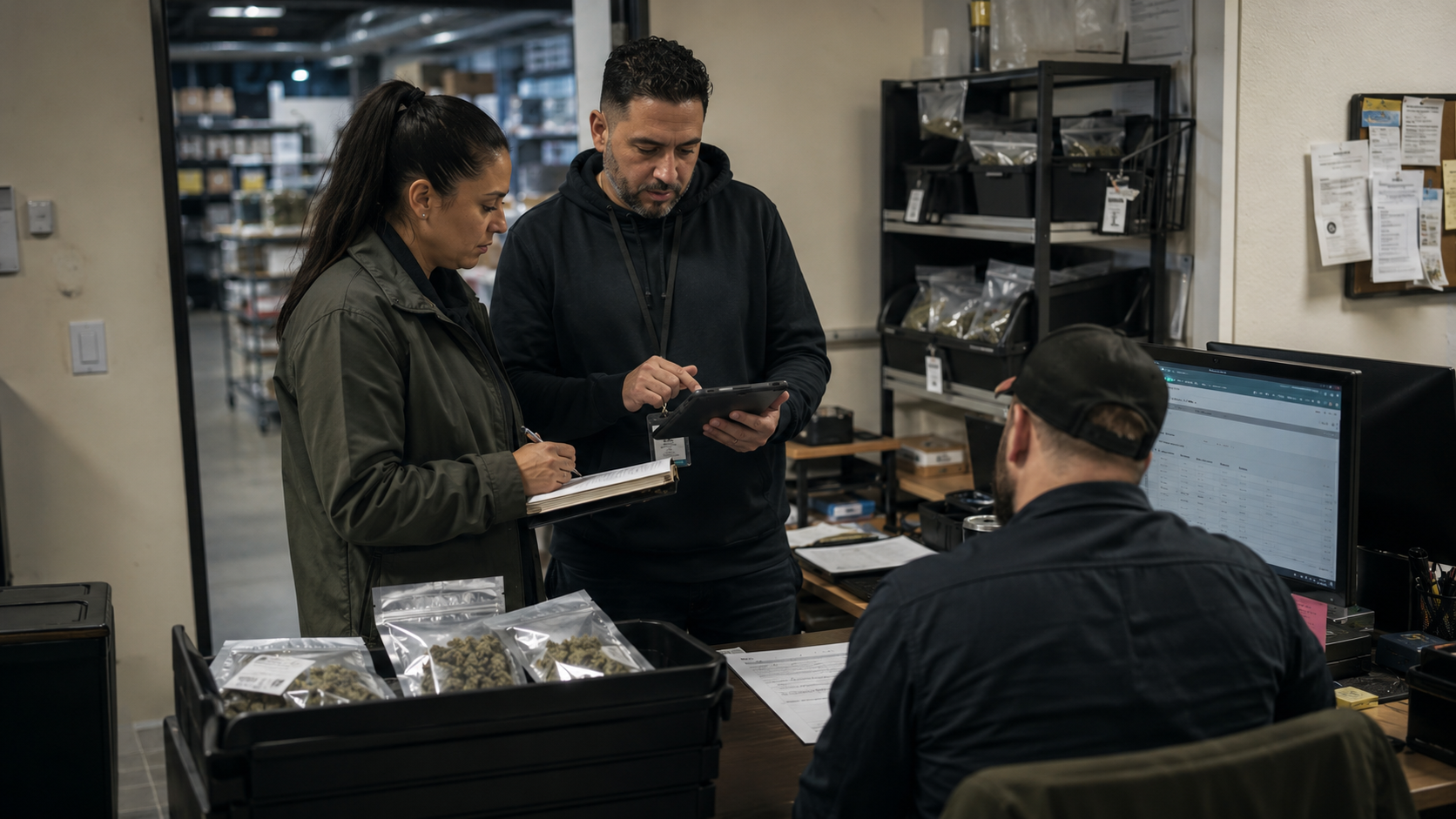
Cannabis team reviewing inventory and compliance records in a New York licensed operation.
New York’s licensed cannabis market is growing, but market integrity is now the real test. Times Union reports that trade groups, regulators, lawmakers, cultivators, retailers, medical operators, and equity businesses joined together in Albany to support seed to sale tracking and anti inversion legislation. The state has issued more than 2,000 cannabis licenses, legal sales have surpassed $3 billion, and regulators are now focused on stopping illicit product from entering the licensed supply chain.
Quick facts
• New York cannabis trade groups, regulators, lawmakers, and operators joined together in Albany
• The event supported seed to sale tracking and anti inversion legislation
• New York has issued more than 2,000 cannabis licenses
• Roughly 660 stores have opened since adult use sales began
• Legal cannabis sales have surpassed $3 billion
• A proposed budget item would put $10 million toward track and trace enforcement
• Operators remain concerned about illicit product entering the licensed supply chain
• The universal operator lesson is simple: once a market matures, documentation becomes part of survival
If New York market integrity issues are affecting your growth plan, Start with our quick Cannashield intake form so you can map compliance, supply chain, and insurance exposure before enforcement pressure reaches your operation.
What New York is trying to fix
The issue is not whether New York has demand. It clearly does. The issue is whether the licensed market can keep that demand inside legal channels. Times Union reports that operators continue to face competition from illicit products and out of state cannabis entering the licensed supply chain through a practice the industry calls inversion.
That matters because licensed operators carry real costs. Testing, packaging, tracking, taxes, leases, payroll, security, legal review, and insurance all affect the final price. When illicit product moves around those rules, legal operators are forced to compete against businesses that may not be carrying the same burden.
This is why the Albany rally matters. It showed that operators and regulators are starting to align around one idea. The legal market cannot mature if the supply chain is not protected.
Why seed to sale tracking matters
Seed to sale tracking is supposed to create a documented path from cultivation to retail sale. Acting Office of Cannabis Management Executive Director John Kagia described the system as a way to follow every plant from cultivation to the consumer counter and give regulators better data to spot bad actors.
For operators, that means documentation is no longer just an internal habit. It becomes proof. If product movement, testing records, transfers, packaging, and retail inventory are not clean, the business may face questions even if it never intended to do anything wrong.
This is the universal operator lesson for every state. When the market gets more mature, regulators stop relying only on visible enforcement. They start looking at records, data patterns, movement history, and supply chain gaps.
If uncertainty around track and trace, product movement, or testing records is affecting how you plan, Complete our quick Cannashield intake form to pressure test your exposure before a documentation gap becomes a bigger issue.
Why anti inversion rules matter
Inversion is dangerous because it attacks the legal market from the inside. If out of state or untested product is laundered into licensed shelves, it harms licensed cultivators, creates product safety concerns, and weakens consumer trust.
Times Union reported that lawmakers raised concerns about outdoor harvests from states such as Oklahoma, Ohio, and Michigan moving into New York, including product that may carry contaminants or fail testing elsewhere. That is the exact kind of issue that can turn supply chain compliance into product liability exposure.
For retailers and distributors, the lesson is direct. Know where product came from. Know who handled it. Know whether the documents match the physical goods. A cheap purchase can become expensive if the paperwork cannot defend it.
The equity operator problem
The integrity fight also connects to equity survival. Times Union reported that Dasheeda Dawson of CAURD Inc. said state data shows only 47 percent of cannabis businesses are profitable, with profitability falling to about 20 percent among microbusinesses. That is the part operators should not ignore.
A market can look successful in total sales and still leave smaller operators under pressure. Illicit competition, weak financing, product flow issues, and management agreement problems can all make survival harder. Market integrity is not just about enforcement. It is about whether the businesses that followed the rules can stay open long enough to benefit from the legal market they helped build.
The operator lesson
The temptation is to treat New York’s $3 billion in legal sales as proof that the market is working. That is only part of the story. A market can grow and still have serious weaknesses underneath.
New York is now entering the phase where regulators, operators, and investors will care more about clean documentation, product origin, testing, supply chain controls, and whether legal businesses can compete against illicit supply.
If you need to organize your supply chain, vendor, testing, and insurance records before New York enforcement tightens, Complete our quick Cannashield intake form to identify weak points and build a cleaner compliance file.
You might also like


Conclusion
New York’s cannabis market is maturing, but maturity brings a new kind of pressure. The fight is no longer just about issuing licenses or opening stores. It is about protecting the legal supply chain, keeping illicit product out, and making sure licensed operators are not punished for following the rules.
For operators, the message is simple. Track the product. Document the movement. Verify the source. In a market like New York, clean records are no longer optional.
Educational note: This article is for education only and is not legal, regulatory, financial, or insurance advice.
What To Do This Week
• Review your seed to sale records and confirm product movement is fully documented
• Match physical inventory against digital tracking records
• Confirm certificates of analysis are complete, current, and tied to the right products
• Review supplier agreements for source, testing, and indemnity language
• Identify any products with unclear origin, incomplete paperwork, or transfer gaps
• Build a short internal memo on your biggest supply chain integrity risks
FAQ
What happened in Albany?
New York cannabis trade groups, regulators, lawmakers, and operators joined together to support market integrity efforts.
What is seed to sale tracking?
It is a system designed to track cannabis from cultivation through final retail sale.
What is inversion?
Inversion refers to out of state or illicit product being moved into the licensed supply chain.
Why does this matter to operators?
Because weak documentation, unclear product origin, or failed testing records can create compliance, product safety, and insurance exposure.
How big is New York’s legal market now?
Times Union reports that New York has issued more than 2,000 licenses, roughly 660 stores have opened, and legal sales have surpassed $3 billion.
What is the biggest operator takeaway?
Market integrity is now a business survival issue. Clean records and verified supply chain controls matter more as enforcement increases.
SOURCES
Times Union, New York cannabis industry rallies with regulators on market integrity
https://www.timesunion.com/marijuana/article/new-york-cannabis-industry-market-integrity-22266723.php
New York Office of Cannabis Management
https://cannabis.ny.gov/
New York Office of Cannabis Management, Compliance and Enforcement
https://cannabis.ny.gov/compliance-enforcement

Trulieve and Cronos have each gained roughly 27 percent in 2026 while reporting stronger operating results. The broader signal is that public market attention is increasingly rewarding cash generation, improving margins, liquidity, and measurable revenue growth.