
Ohio Bars Clear Hemp THC Drinks Ahead Of March 20 Sales Shift
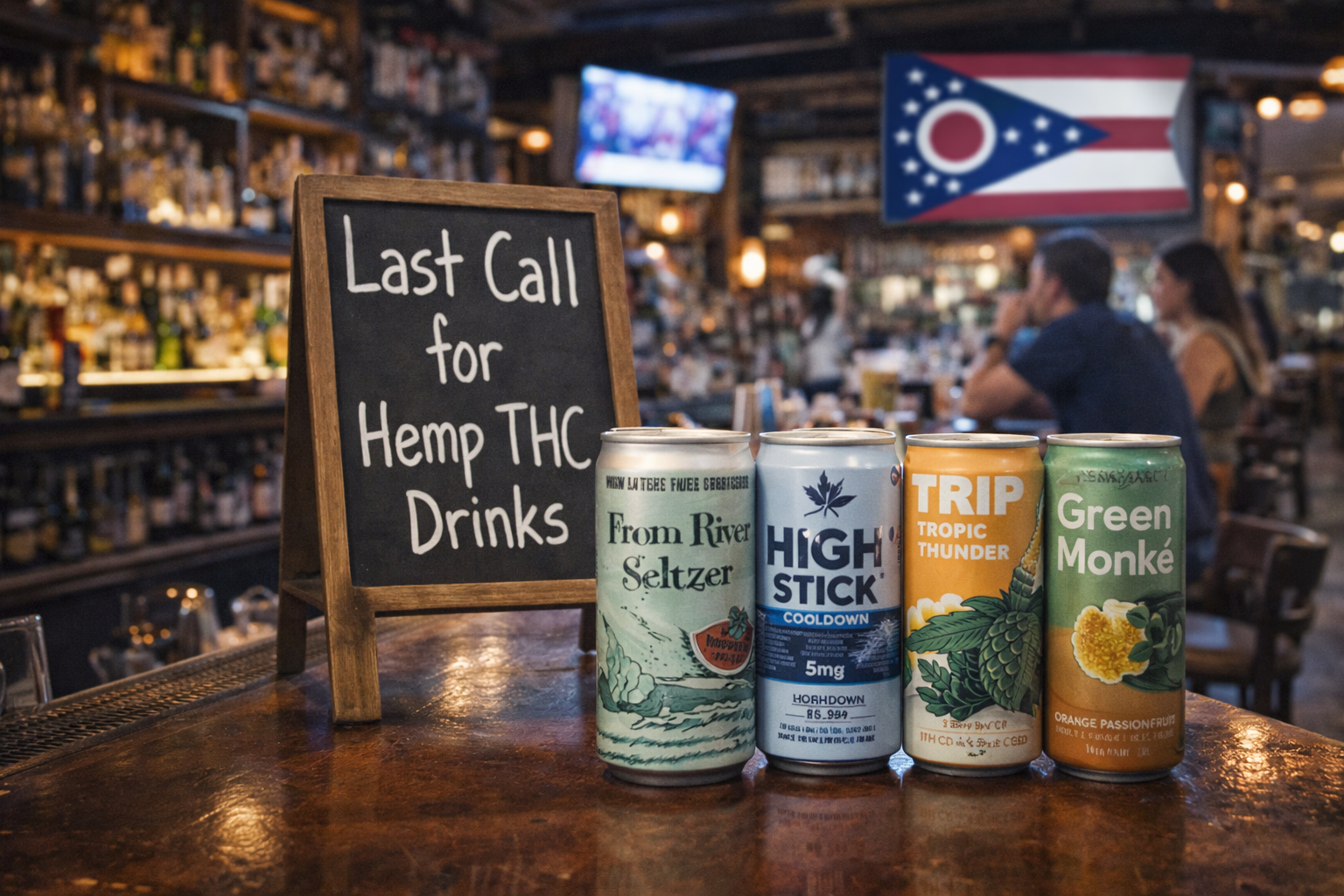
Bar shelf with hemp derived THC beverages marked for clearance ahead of Ohio March 20 restriction
Ohio hemp THC drink ban March 20, 2026 is forcing bars, breweries, and restaurants to do something operators hate: clear inventory under a hard deadline. Senate Bill 56 tightens Ohio’s intoxicating hemp rules and pushes most THC product sales into the licensed cannabis retail channel, wiping out a meaningful revenue stream for hospitality businesses that leaned into low dose THC beverages.
Quick facts
• Senate Bill 56 takes effect March 20, 2026 and restricts sales of popular hemp derived THC products to state licensed cannabis retailers.
• Ohio’s legislative analysis describes a narrower hemp definition that excludes products exceeding 0.4 mg of total THC per container, treating products outside the definition as cannabis that must be sold in dispensaries.
• Lawmakers originally included a temporary path for drinkable cannabinoid products through 2026, but Gov. Mike DeWine vetoed that allowance, accelerating the cutoff for bars and breweries.
• One Ohio taproom told local media THC drinks were as much as about a quarter of revenue, showing why the inventory clearance is happening fast.
If Ohio timing affects your product plan, Start with our quick Cannashield intake form so you can map exposure and plan for multiple outcomes.
Why This Rule Change Hits So Hard
In hospitality, you do not get to pause sales for a month and call it a strategy. Bars and breweries built recurring customer traffic around THC drinks, then woke up to a calendar that says the lane closes March 20. This is what policy tightening looks like on the ground. Not a slow transition, but a hard pivot that turns inventory into a clock.
Universal operator lesson: when distribution rules change, demand does not disappear. It reroutes. The only question is whether you are positioned where it reroutes.
What Senate Bill 56 Is Really Doing
The biggest shift is not a new label requirement or a minor age check tweak. It is a definition shift that changes what qualifies as hemp in the first place.
Ohio’s legislative analysis describes a new, narrower hemp definition that excludes certain finished hemp derived cannabinoid products, including those that exceed 0.4 mg of total THC per container. Products that fall outside the narrowed definition are treated as cannabis and must be sold through dispensaries.
That matters because many THC beverages were sold under “hemp compliant” marketing logic. Once the definition tightens, the same product can end up in a different legal category overnight, and the permitted sales channels change with it.
Universal operator lesson: the most dangerous compliance risk is a business model built on a loophole that lawmakers are actively closing.
If uncertainty is affecting how you plan or negotiate distribution, Complete our Cannashield questionnaire to pressure test your product category exposure and your channel risk.
The DeWine Veto Is Why Bars Are Saying Last Call
The market expected a softer landing. Reporting indicates lawmakers originally included language to let non cannabis businesses continue selling low dose THC beverages through the end of 2026. That window would have given hospitality time to transition. It did not survive. Gov. Mike DeWine vetoed the carveout, and now the cutoff is immediate.
That is why you are seeing “clear the shelves” behavior. Operators are not guessing. They are reacting to a real compliance deadline that turns sellable inventory into unsellable inventory.
Universal operator lesson: never confuse “likely compromise” with “final rule.” Your plan should survive a veto.
What This Means For Licensed Cannabis Retailers And Suppliers
For dispensaries, this is a demand capture moment, but it is not automatic money. If beverage demand reroutes into licensed cannabis retail, consumers will still judge you on three basics.
Availability: consistent stock beats a flashy menu.
Education: staff need simple, claims safe guidance on dosing and onset.
Trust: clean labeling, clean sourcing, clean documentation.
For suppliers and manufacturers, the lesson is even sharper. If your beverage line relied on the hemp channel, you need a product and compliance path that works inside the licensed cannabis framework, including the right testing, packaging, and chain of custody discipline.
Universal operator lesson: channel access is a competitive moat, but only if your operations can meet the standards of the channel you are moving into.
If you want a copy and paste inventory clearance and channel shift SOP for your team, use the Cannashield intake form to request it.
Conclusion
Ohio’s March 20 shift is a real time example of how quickly intoxicating hemp rules are tightening ahead of broader federal government changes later in 2026. For hospitality, it is a revenue hit and an operational reset. For cannabis retailers, it is a chance to capture demand responsibly. For every operator watching nationally, it is the same warning: build your model on stable lanes, not fragile definitions.
Educational note: This is for education only and is not legal advice.
What To Do This Week
• Freeze new purchasing of THC beverages unless you can sell through before March 20
• Run an inventory count and mark all THC beverage SKUs with a sell through deadline
• Update your staff script for customer questions so messaging stays factual and calm
• If you are a licensed cannabis retailer, set a beverage shelf plan with dosing clarity and staff training
• Build a two scenario plan for late 2026 federal government changes, one strict and one delayed
• Add a weekly policy watch routine for hemp derived THC rules in every state you operate in
FAQ
What changes on March 20 in Ohio
Senate Bill 56 takes effect and restricts most THC product sales outside the licensed cannabis retail channel.Why are bars and breweries clearing inventory
Because the beverage carveout that would have allowed sales through 2026 was vetoed, leaving a hard cutoff.What is the key hemp definition issue
Ohio’s legislative analysis describes a narrowed hemp definition that excludes certain finished products, including those exceeding 0.4 mg total THC per container.Does this mean demand for THC beverages disappears
No. Demand usually reroutes to whatever channel remains legal and accessible.What should licensed cannabis retailers do first
Focus on beverage availability, dosing clarity, and claims safe staff education so customers trust the category.What is the universal operator lesson
Policy risk is distribution risk. If your revenue depends on one channel, you need a second lane ready.