
South Africa Cannabis Market Is Still Waiting For A Real Commercial Framework

Cannabis business team reviewing licensing and financial documents in South Africa.
The South Africa cannabis market has legal momentum, visible demand, and strong long term potential, but it is still missing the commercial structure operators need to scale. Newsweed reports that nearly eight years after the Constitutional Court allowed adults to grow and possess cannabis for personal use, South Africa still does not have a clear legal market framework for broader commercial activity. The National Cannabis Master Plan was supposed to help formalize the sector, yet implementation has moved slowly while operators continue facing unclear market access, banking friction, insurance barriers, payment issues, and limited investment pathways.
Quick facts
• South Africa allowed adults to grow and possess cannabis for personal use after a Constitutional Court ruling in 2018
• Newsweed reports the country still lacks a clear commercial cannabis framework nearly eight years later
• The National Cannabis Master Plan was designed to help formalize the sector
• Implementation has been slow and market access remains unclear
• Operators continue to face banking, insurance, payment, and investment barriers
• Newsweed cites estimates putting the sector’s potential value as high as 28 billion rand
• The formal cannabis industry is estimated at about 5.5 billion rand per year
• The universal operator lesson is simple: legalization headlines do not create a functioning market unless licensing, finance, and product rules follow
If South Africa market uncertainty is affecting your growth plan, complete our quick Cannashield intake form so you can map licensing, banking, compliance, and insurance exposure before policy delays create bigger business friction.
Why the market still feels stuck
South Africa is a good reminder that legalization and commercialization are not the same thing. The 2018 Constitutional Court decision created a legal opening for personal cultivation and possession, but it did not automatically build a full business system. That missing system is where the industry remains stuck.
A legal market needs more than political support or court recognition. It needs workable licensing pathways, product rules, channel access, payment systems, banking support, insurance availability, and confidence from investors. When those pieces do not arrive together, businesses end up operating in a gray zone where demand exists but commercial certainty does not.
Why operators keep hitting the same barriers
The biggest challenge is not whether South Africa has interest in cannabis. It clearly does. The challenge is that operators still do not know exactly how to enter, scale, and defend a legal commercial position. When market access is unclear, businesses struggle to plan distribution, secure financing, negotiate insurance, and build long term supply chains.
Banking and payments are a major part of that problem. If a business cannot bank smoothly, process payments reliably, or show clear compliance status, growth becomes harder even when demand is real. Insurance barriers make the problem worse because property, inventory, and liability protection often matter more as businesses become more formal.
This is where many emerging markets stall. The industry may have cultivators, manufacturers, and investors ready to move, but the legal plumbing underneath the market is still unfinished.
If uncertainty is affecting how you plan or negotiate, complete our Cannashield questionnaire to pressure test your exposure before unclear rules turn into stalled growth.
Why the growth potential still matters
Even with all that friction, the upside remains obvious. Newsweed cites estimates that the broader sector could be worth as much as 28 billion rand, while the formal industry is currently estimated at about 5.5 billion rand per year. That gap matters because it shows how much room there is between existing legal activity and the market’s possible size.
For operators and investors, this is the key takeaway. South Africa is not lacking demand. It is lacking conversion of demand into a stable legal structure. If the government can turn policy into a more usable framework, the market could move from fragmented opportunity into a more serious formal industry. If not, businesses may continue to face a stop start environment where momentum exists but execution stays difficult.

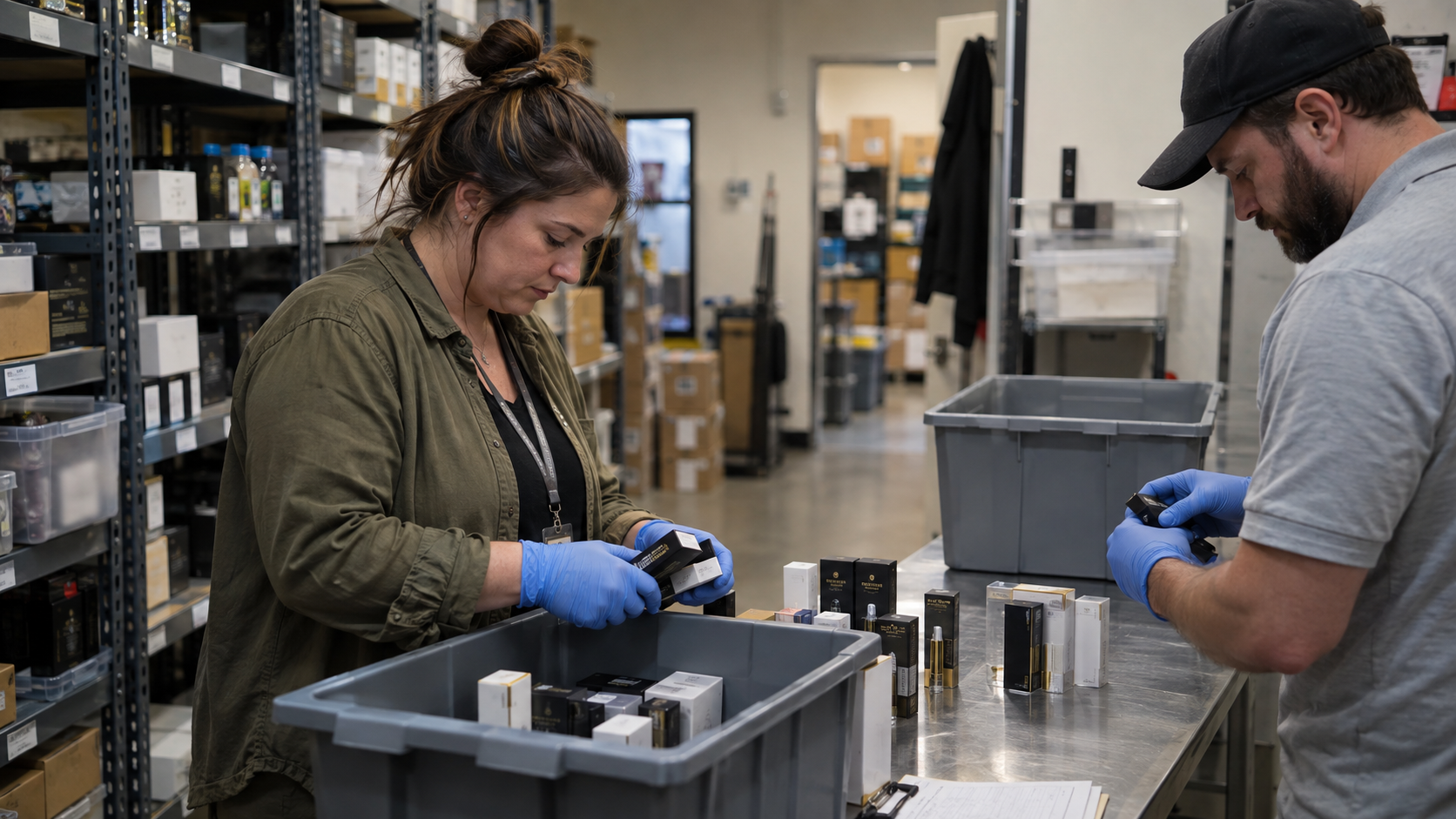
Cannabis operators reviewing compliance paperwork in South Africa.
The operator lesson
The South Africa story carries a universal lesson for every market. Policy recognition is only the first step. Real market development happens when governments follow through with rules that let compliant businesses access licenses, payments, insurance, capital, and distribution.
That is why this story matters beyond South Africa. Every emerging cannabis market can look attractive from the outside, but operators need to look underneath the headline. The real questions are always the same. How do you get licensed. How do you get paid. How do you get insured. How do you attract capital. How do products legally move.
If you need to assess licensing, capital, banking, and insurance risk before entering or expanding in an emerging market, use the Cannashield intake form to identify weak points and build a clearer operating plan.
You might also like

Conclusion
South Africa has many of the ingredients needed for a meaningful cannabis market, including demand, political awareness, cultivation capability, and a visible economic opportunity. What it still lacks is a fully workable commercial framework that lets businesses operate with clarity and confidence.
For operators, investors, cultivators, manufacturers, lenders, and insurers, the message is simple. Watch the implementation, not just the rhetoric. In cannabis, the real market begins when legal recognition turns into functional commercial rules.
Educational note: This article is for education only and is not legal, regulatory, financial, tax, or insurance advice.
What To Do This Week
• Review whether your South Africa strategy depends on unclear commercial rules or actual approved pathways
• Identify current exposure around banking, payments, insurance, and product movement
• Separate market demand assumptions from real licensing and distribution options
• Track whether the National Cannabis Master Plan produces clearer implementation steps
• Prepare a short memo on the biggest friction points blocking formal growth
• Recheck investor materials to make sure they reflect regulatory reality, not just market potential
FAQ
What is the main issue in South Africa’s cannabis market?
South Africa has personal use legalization, but it still lacks a clear and workable commercial cannabis framework.
What was the 2018 Constitutional Court decision about?
It allowed adults to grow and possess cannabis for personal use.
Why are operators still struggling?
Businesses continue to face unclear market access, plus banking, insurance, payment, and investment barriers.
What is the National Cannabis Master Plan supposed to do?
It is intended to help formalize and structure the cannabis sector, but implementation has moved slowly.
How big could the market become?
Newsweed cites estimates that the sector could be worth as much as 28 billion rand.
What is the biggest operator takeaway?
Legal recognition alone is not enough. Operators need clear licensing, finance, insurance, and product rules before a market can truly function.
SOURCES
Newsweed, Eight Years After Legalization, South African Cannabis Is Still Waiting for Its Legal Market
https://www.newsweed.fr/en/cannabis-south-africa-legal-market-outlook/
The Department of Trade, Industry and Competition, South Africa
https://www.thedtic.gov.za/
South African Health Products Regulatory Authority
https://www.sahpra.org.za/

Maryland's September 14 cannabis rules update changes product categories, packaging standards, grower procedures, and conditional licensing timelines. Operators should review SOPs, labels, property documentation, training, and product approvals to stay aligned with the new requirements.