
Texas Delta 8 Ban Creates Immediate Hemp Enforcement Risk
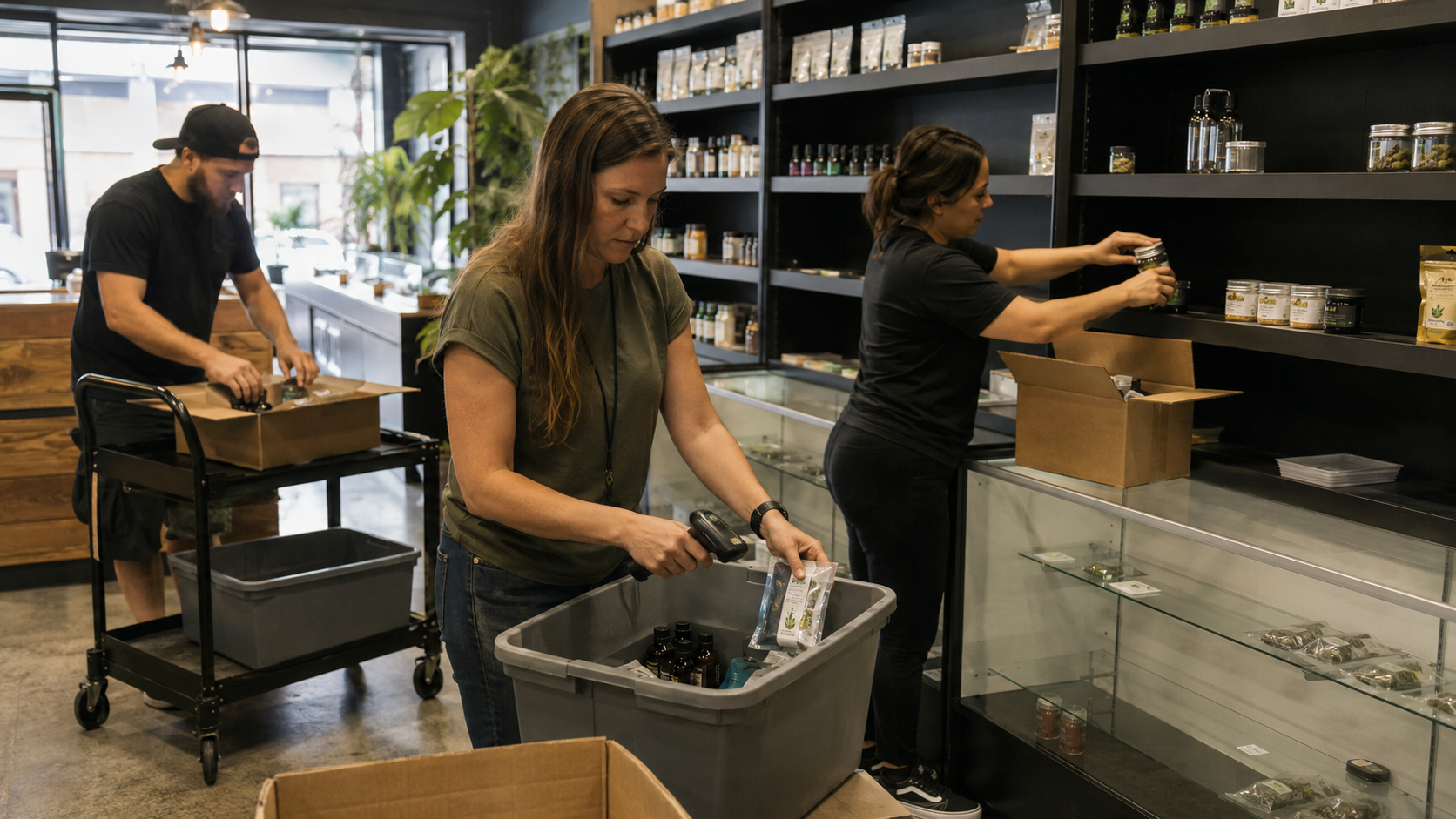
Texas hemp retailer scanning products for delta-8 compliance
Texas hemp operators are facing an immediate enforcement shift. Cannabis Business Times reports that Texas will recriminalize the sale or possession of hemp derived products containing more than trace amounts of delta 8 THC and other synthetic THC analogues starting July 31, 2026. The change follows the Texas Department of State Health Services reinstating its 2021 controlled substance definitions after a Texas Supreme Court opinion. For hemp retailers, manufacturers, distributors, convenience store sellers, investors, lenders, and compliance teams, this is a major product removal and inventory risk event.
Quick facts
• Texas will begin treating certain hemp derived THC products as controlled substances starting July 31, 2026
• The change affects products with more than trace amounts of delta 8 THC
• The change also affects synthetic THC analogues such as delta 10 THC and THCP
• Cannabis Business Times reports the ban also applies to THCA flower
• Hemp derived delta 9 THC products may remain legal if they stay at or below 0.3 percent delta 9 THC by dry weight
• DSHS said products labeled to contain delta 8 THC or products shown to contain more than trace amounts of tetrahydrocannabinols may be detained and referred to law enforcement
• Cannabis Business Times reported that the Texas hemp marketplace has an estimated $10.3 billion economic impact and supports more than 50,000 workers
• The universal operator lesson is simple: when a state turns product definitions into criminal exposure, inventory control becomes urgent
If Texas hemp enforcement is affecting your operation, complete our quick Cannashield intake form so you can map product, inventory, legal, compliance, security, and insurance exposure before July 31 creates a larger business problem.
Why this change matters
This change matters because Texas has one of the largest hemp product markets in the country. Products containing delta 8 THC, delta 10 THC, THCP, THCA flower, and other intoxicating hemp derived cannabinoids have been sold through smoke shops, gas stations, convenience stores, online channels, and hemp retailers for years. That market is now facing a sudden legal reset.
The practical problem is timing. Retailers and distributors may have shelves, warehouses, vendor commitments, pending invoices, and customer demand tied to products that become high risk on July 31. Manufacturers may have packaging, ingredients, formulas, and production schedules tied to the old market. Lenders and investors may need to review whether revenue projections depend on products that can no longer move legally.
For many businesses, this is not only a compliance update. It is a market contraction event.
Why trace amounts create confusion
DSHS clarified that only trace amounts of delta 8 THC naturally produced by the hemp plant are permissible. The problem is that Cannabis Business Times reported DSHS had not clearly defined what “trace” means. That creates real uncertainty for operators trying to decide what to pull, what to hold, what can be returned, and what needs legal review.
Most commercial delta 8 products are not built around naturally occurring trace amounts. Delta 8 exists naturally in small quantities, but many products are made by converting CBD into intoxicating delta 8 through a lab process. That distinction is central to the state’s position.
This is the universal operator lesson. A product can be popular, profitable, and widely sold, but still become legally exposed if regulators change how they define the ingredient.
Why retailers need immediate inventory controls
Retailers should treat this as an inventory emergency. Every location should identify products labeled as delta 8, delta 10, THCP, THCA flower, or other non delta 9 intoxicating hemp products. Operators should compare labels, certificates of analysis, purchase records, distributor invoices, shelf locations, and storage areas.
The goal is to know exactly what is on site before enforcement begins. If a product is detained, seized, or referred to law enforcement, the business will need clean records. If products are returned to suppliers, destroyed, quarantined, or moved out of retail circulation, operators should document each step.
Convenience store sellers and gas station operators should be especially careful because they may not have cannabis compliance staff. A product that was treated like a normal retail SKU last week may now require legal review, recordkeeping, and removal procedures.
Why criminal exposure changes the risk profile
The biggest shift is criminal exposure. Cannabis Business Times reported that unlawful possession of a Schedule I controlled substance in Texas can carry incarceration and fines. KUT reported that Austin police plan to treat unlawful delta 8 THC product possession as a felony offense, punishable by 180 days to two years in jail and a maximum fine of $10,000.
That changes how lenders, landlords, insurers, payment processors, and investors view the market. A product compliance issue can become a criminal enforcement issue. A retailer with exposed inventory can become a property risk for the landlord. A distributor with unsold stock can become a credit risk. A manufacturer with production tied to delta 8 can become a business continuity risk.
If you need to organize product, inventory, vendor, legal, and insurance records before Texas enforcement expands, use the Cannashield intake form to identify weak points and build a cleaner response file.
Conclusion
Texas’ delta 8 ban is one of the most immediate hemp enforcement events in the country. Starting July 31, products containing more than trace amounts of delta 8 THC and other synthetic THC analogues can move from retail inventory into controlled substance exposure.
For operators, retailers, manufacturers, distributors, investors, lenders, and compliance teams, the message is simple. Do not wait for enforcement to clarify the risk. Pull product data, review certificates, document decisions, contact counsel, communicate with vendors, and protect the business before exposed inventory becomes a criminal, financial, or insurance problem.
Educational note: This article is for education only and is not legal, regulatory, criminal, tax, financial, product safety, retail, or insurance advice. Texas operators should consult qualified counsel before making product, inventory, or enforcement decisions.
What to do this week
• Identify all delta 8, delta 10, THCP, THCA flower, and other non delta 9 intoxicating hemp products on site
• Review certificates of analysis, labels, invoices, distributor records, and product descriptions
• Quarantine or remove exposed inventory while legal review is completed
• Contact suppliers about returns, credits, destruction instructions, and indemnity language
• Review lease, loan, payment processor, and insurance documents for illegal product or enforcement triggers
• Build a short internal memo on product removals, inventory loss, criminal exposure, and business continuity risk
FAQ
What happens in Texas on July 31, 2026?
Texas will begin treating hemp derived products containing more than trace amounts of delta 8 THC and other synthetic THC analogues as controlled substances.
Does this affect delta 9 hemp products?
Hemp derived delta 9 THC products may remain legal if they contain no more than 0.3 percent delta 9 THC by dry weight.
What products are most exposed?
Delta 8 THC products, delta 10 THC products, THCP products, THCA flower, and other synthetic or non delta 9 intoxicating hemp products are the most exposed.
Can products be detained?
Yes. DSHS said products labeled to contain delta 8 THC or shown to contain more than trace amounts of tetrahydrocannabinols may be detained and referred to law enforcement.
Why does this matter to retailers and distributors?
Businesses may face inventory losses, product removals, supplier disputes, payment issues, enforcement risk, and criminal exposure if prohibited products remain on site.
What is the biggest operator takeaway?
Texas hemp operators need immediate product review, inventory documentation, vendor communication, legal review, and insurance planning before enforcement begins.
What this means for operators
Cannabis business news can quickly become an insurance, compliance, contract, renewal, or claims issue. If this topic could affect your operation, review your insurance setup before pressure shows up from a landlord, lender, carrier, contract partner, regulator, or claim.
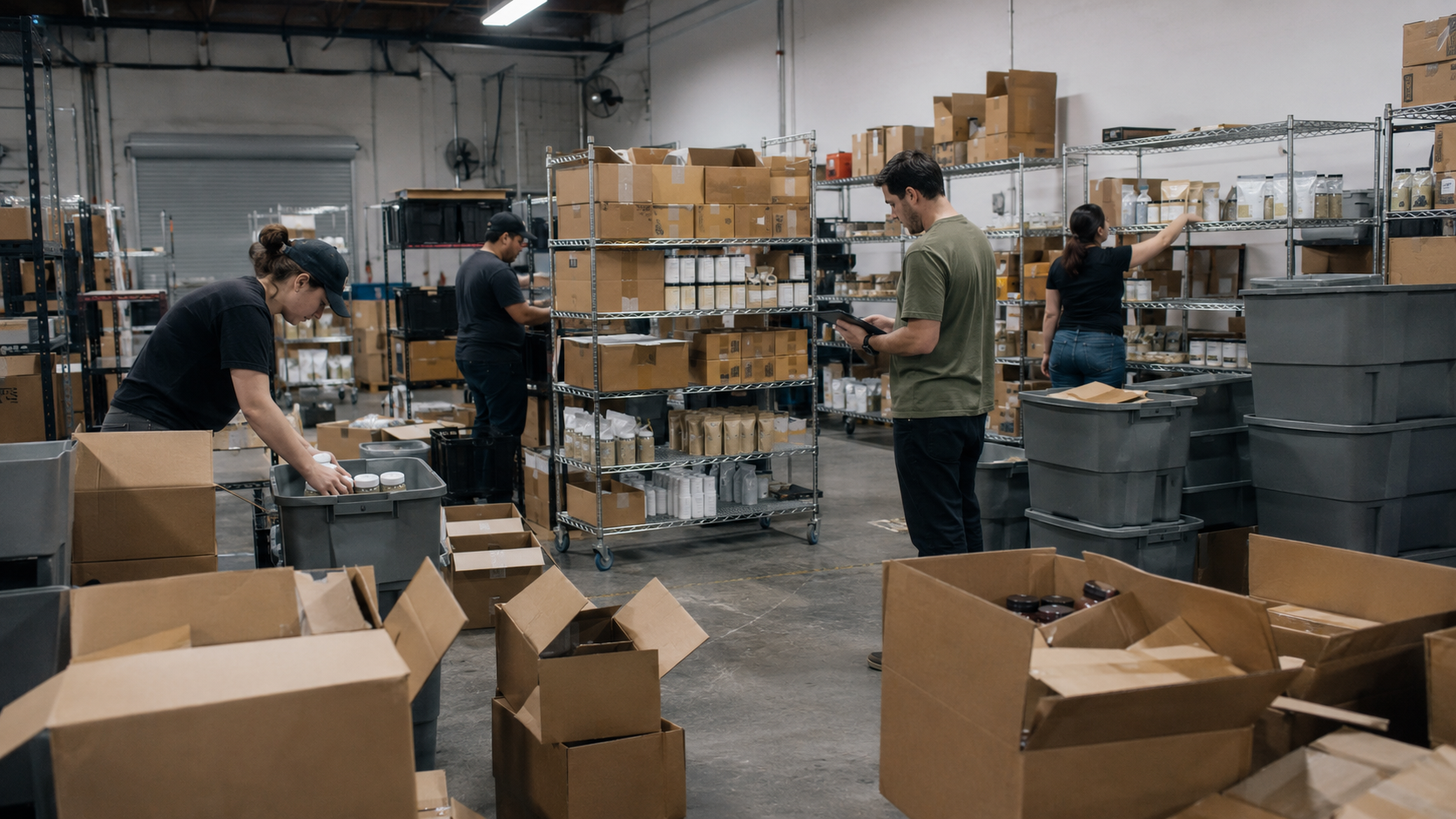
Texas hemp workers removing delta-8 inventory from a warehouse
You might also like
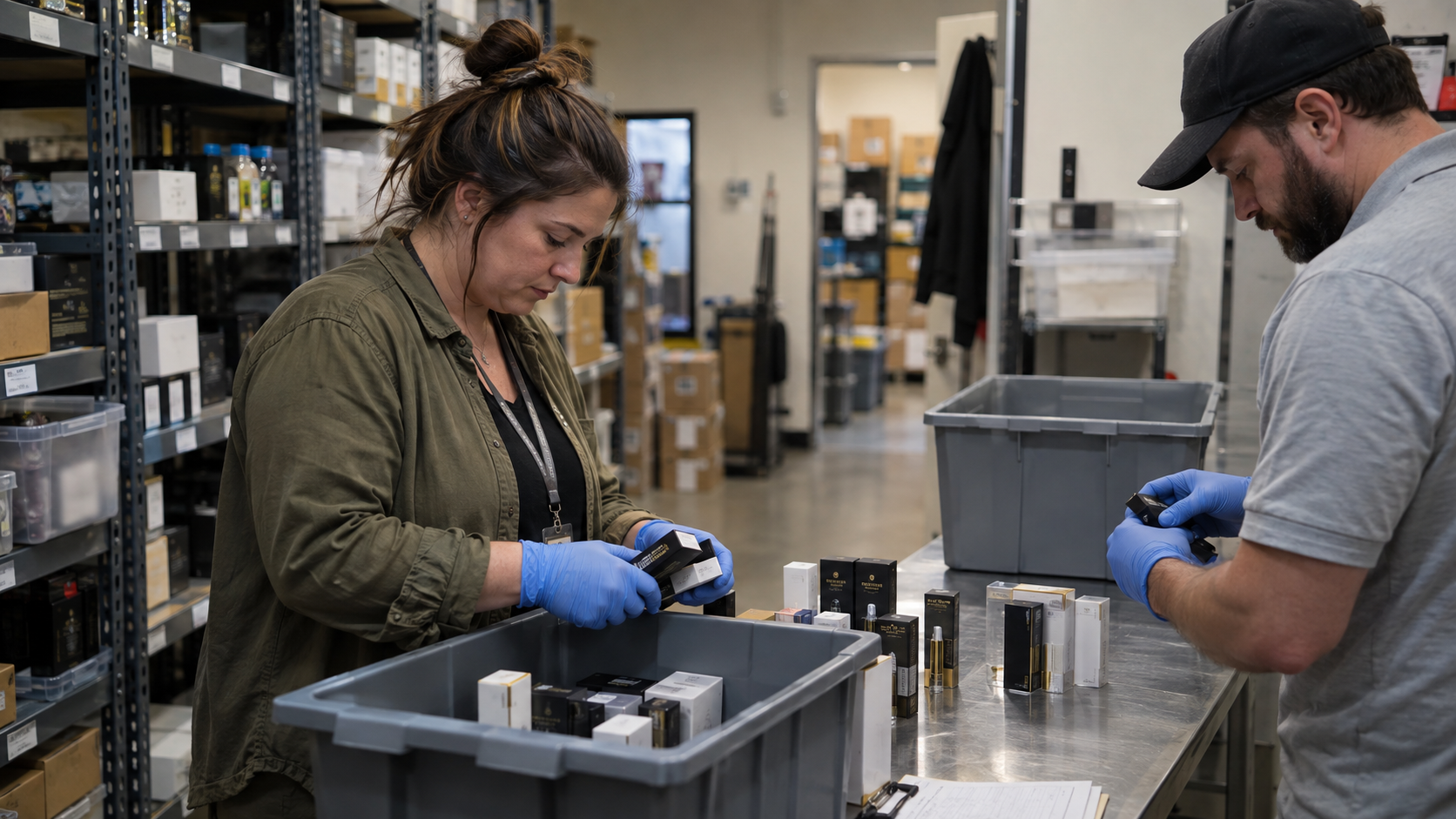

SOURCES
Cannabis Business Times, Texas Bans Delta 8 THC Hemp Products, Effective July 31
https://www.cannabisbusinesstimes.com/us-states/texas/news/15831312/texas-bans-delta8-thc-hemp-products-effective-july-31
Texas Department of State Health Services, Schedules of Controlled Substances
https://www.dshs.texas.gov/drug-manufacturers-distributors/schedules-controlled-substances-drug-manufacturers-distributors
KUT, Texas will ban Delta 8 on July 31. Austin police say possession will be a felony
https://www.kut.org/business/2026-07-28/austin-tx-delta-8-ban-police-felony-thc-dshs

Maryland's September 14 cannabis rules update changes product categories, packaging standards, grower procedures, and conditional licensing timelines. Operators should review SOPs, labels, property documentation, training, and product approvals to stay aligned with the new requirements.