
Arizona Retailer Rejects Products Tested By Two Cannabis Labs
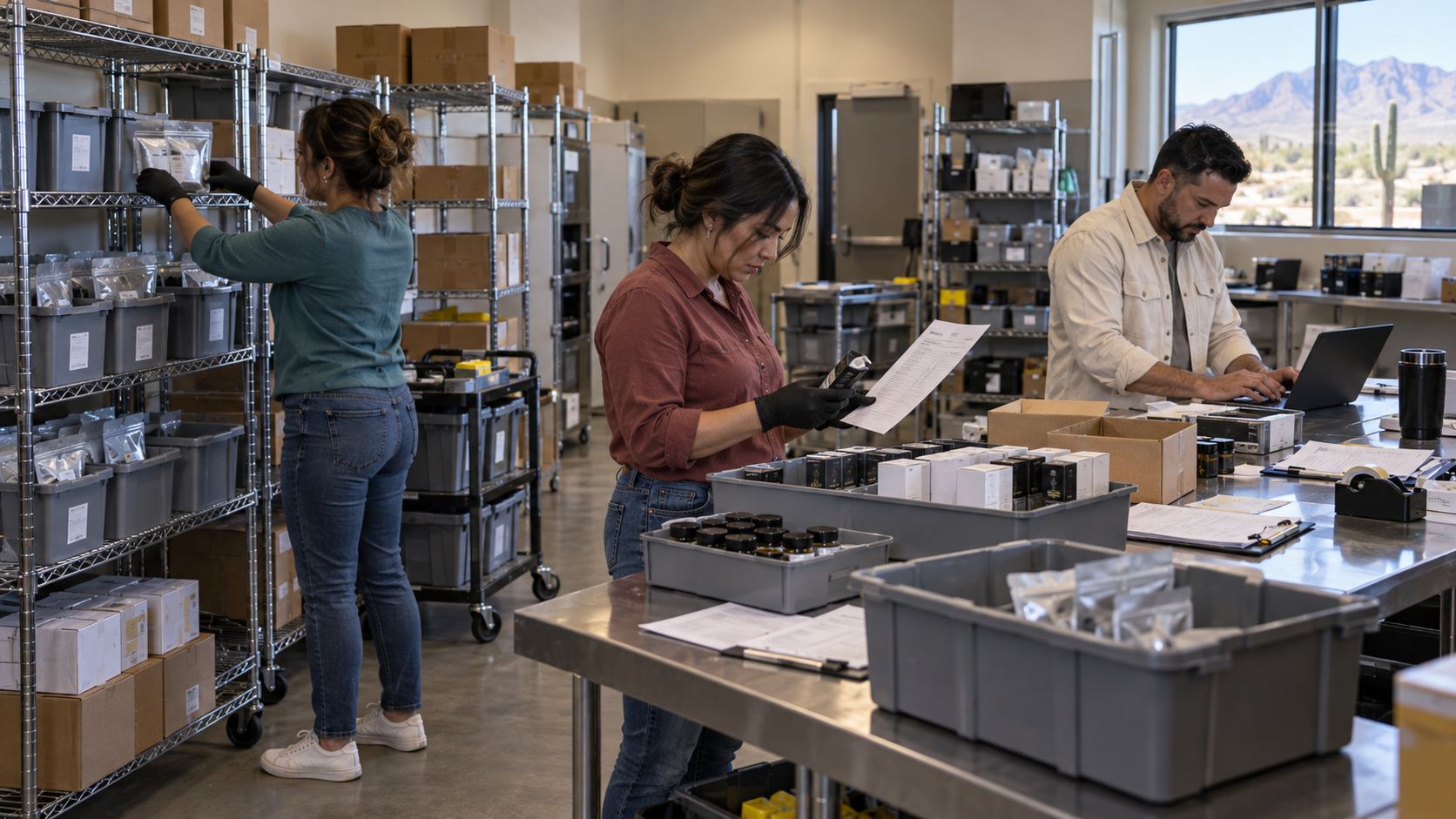
Arizona cannabis lab testing and COA review.
Cannabis testing is becoming a retailer risk decision in Arizona, not simply a regulatory requirement. Story Cannabis says it will stop accepting products tested by Kaycha Labs and Level One Labs when the Certificate of Analysis carries a test date on or after October 1, 2026. The decision follows regulatory findings involving testing accuracy at both laboratories. For cultivators, manufacturers, retailers, and testing companies, the move shows how concerns about laboratory reliability can affect inventory access even before regulators remove a laboratory from the market.
Quick facts
• Story Cannabis will stop accepting affected products beginning with Certificate of Analysis test dates on or after October 1, 2026
• The policy applies to products tested by Kaycha Labs and Level One Labs
• Ganjapreneur, citing Arizona Republic reporting, says both laboratories were cited by Arizona regulators for testing accuracy concerns
• Kaycha Labs was reportedly fined $88,500 for inaccurate testing results
• Level One Labs was reportedly found to have inflated potency results for samples
• Level One says its issues involved inadvertent software problems and human error
• Level One has said it hopes Story Cannabis will reconsider the retailer's decision
• Story Cannabis operates 11 dispensaries in Arizona and also operates in three other states
• Arizona requires cannabis products to undergo laboratory testing before retail sale
• Testing covers areas that can include potency, pesticides, heavy metals, residual solvents, microbes, and mycotoxins
• Both Kaycha Labs Arizona and Level One Labs have appeared on Arizona Department of Health Services certified laboratory listings
• The universal operator lesson is simple: regulatory certification alone may not satisfy customers when confidence in laboratory results becomes a commercial issue
If cannabis testing affects products you manufacture, purchase, distribute, or sell, complete our quick Puro Risk intake form so you can map laboratory, product, inventory, supplier, compliance, and insurance exposure before a testing dispute blocks market access.
Why Story Cannabis' decision matters
Retailers usually depend on state testing requirements to determine whether regulated cannabis can move onto shelves.
Story Cannabis is adding another layer.
The company is deciding that products tested by two specific laboratories will no longer satisfy its internal purchasing standards after the October 1 cutoff.
That means a product may face a commercial barrier even if the manufacturer believes it otherwise satisfies state requirements.
For suppliers, this changes the meaning of laboratory selection.
Choosing a lab is no longer only about turnaround time, price, or regulatory approval. Retail acceptance can now become part of the decision.
Why potency accuracy matters
Potency results influence pricing, packaging, purchasing, consumer expectations, and product positioning.
If THC results are overstated, a product can appear more valuable or competitive than comparable inventory.
That creates problems beyond labeling.
Retail buyers may make purchasing decisions based on unreliable information. Consumers may receive products that perform differently from expectations. Manufacturers can face questions about their product claims, and retailers can lose confidence in supplier records.
If your purchasing team relies heavily on potency numbers, use the Puro Risk intake form to organize laboratory relationships, COAs, supplier records, inventory, and product liability controls before testing questions affect sales.
Why COAs should be treated as operational records
Certificates of Analysis are central to cannabis commerce.
A COA connects a product with laboratory findings involving potency and required safety testing. But the document only has value when businesses trust the testing process behind it.
Operators should know which laboratory tested each batch, when testing occurred, which results apply to the inventory on hand, and whether any enforcement or quality concerns affect that laboratory.
Retailers may also want procedures for reviewing unusual potency results or repeated testing patterns rather than automatically accepting every certificate.
Why manufacturers need backup laboratory options
Story Cannabis' October policy creates an immediate supply chain question.
Manufacturers with products scheduled for testing through Kaycha or Level One may need to determine whether important retail customers will accept those products.
That can affect testing schedules, production timelines, launches, inventory, and retailer commitments.
A manufacturer dependent on one laboratory also faces concentration risk if that laboratory becomes unavailable or commercially unacceptable to a major buyer.
If one testing provider controls a significant portion of your product pipeline, complete the Puro Risk intake form to identify laboratory concentration, inventory, contract, product, and insurance risks before a retailer forces a rapid transition.
Conclusion
Story Cannabis' decision signals a shift in cannabis quality control.
Retailers are not necessarily waiting for regulators to decide whether a testing laboratory should remain acceptable. Some are creating their own purchasing standards based on perceived testing reliability and consumer confidence.
The universal operator lesson extends beyond Arizona. Cannabis businesses need to evaluate laboratories as critical supply chain partners.
Strong testing relationships require more than a valid license. Operators need confidence in accuracy, reproducibility, documentation, communication, and the ability of laboratory results to withstand regulatory and commercial scrutiny.
Educational note: This article is for education only and is not legal, regulatory, laboratory, scientific, product safety, financial, investment, claims, or insurance advice.
What to do this week
• Identify which laboratories tested current and incoming inventory
• Review retailer policies that could restrict products based on testing laboratory
• Audit unusual potency results and repeated testing patterns
• Confirm manufacturers have backup laboratory relationships available
• Review supplier agreements for testing accuracy and compliance representations
• Track Arizona regulatory actions involving cannabis testing facilities
FAQ
What is Story Cannabis changing?
Story Cannabis says it will stop accepting products tested by Kaycha Labs and Level One Labs when the Certificate of Analysis test date is October 1, 2026 or later.
Why did Story make the change?
The retailer cited compliance violations and concerns related to testing after regulatory findings involving both laboratories.
What happened with Kaycha Labs?
Ganjapreneur reports that Kaycha Labs was fined $88,500 for inaccurate testing results.
What happened with Level One Labs?
Ganjapreneur reports that regulators found Level One had inflated sample potency results. Level One says problems involved inadvertent software issues and human error.
Does this mean products from those labs are automatically recalled?
No. Story Cannabis' decision is a retailer purchasing policy and should not automatically be treated as a statewide product recall.
What is the biggest operator takeaway?
Laboratory choice can now affect retail access. Operators should evaluate testing providers for accuracy, regulatory history, retailer acceptance, documentation, and business continuity.
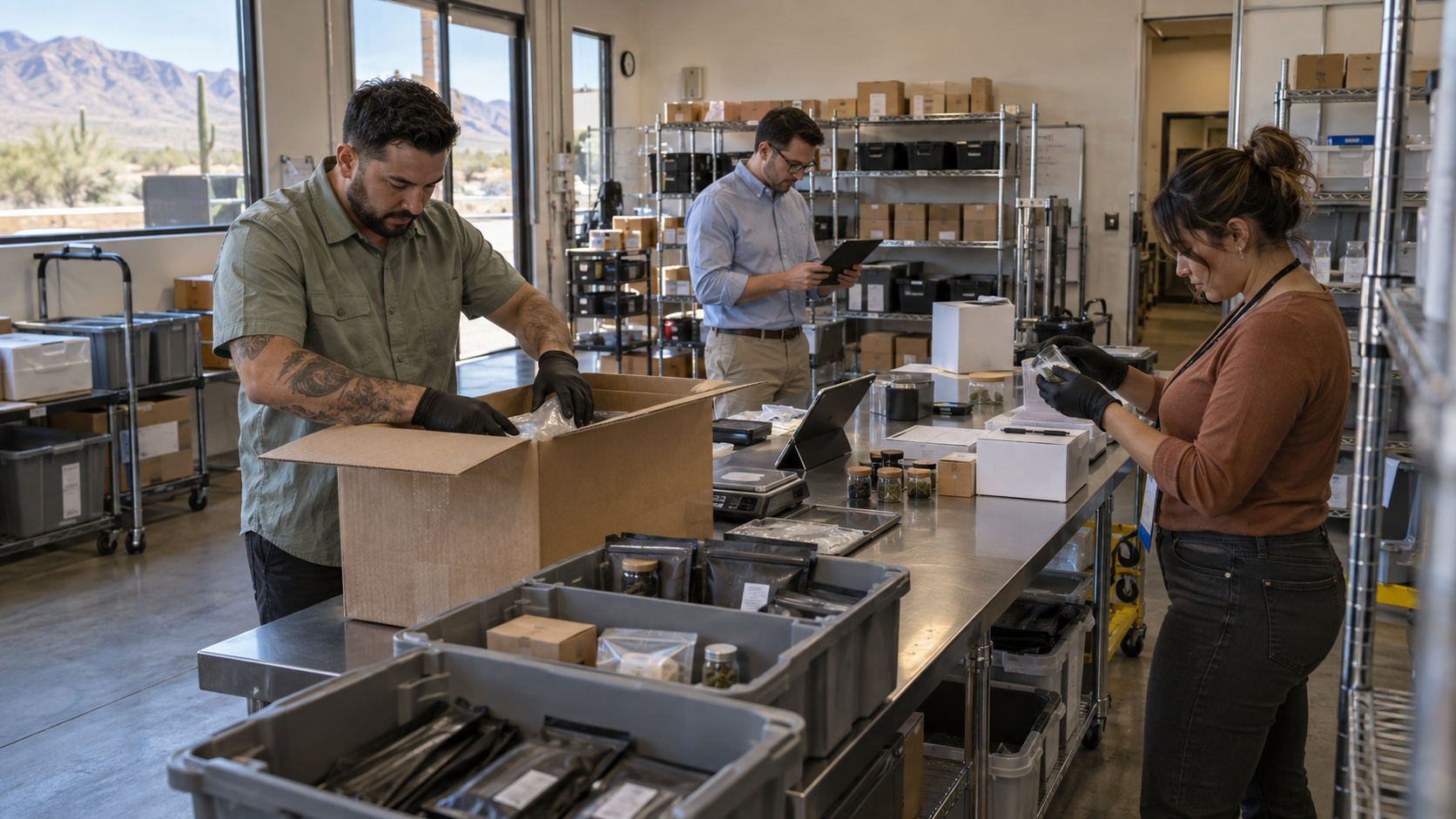
Arizona cannabis inventory and lab quality review.
You might also like

SOURCES
Ganjapreneur, Arizona Dispensary Chain to Stop Accepting Products Tested by Two Labs Cited for Inaccurate Testing Results, September 17, 2026
Arizona Department of Health Services, Certified Cannabis Testing Laboratories
https://www.azdhs.gov/documents/licensing/medical-marijuana/applications/mm-testing-labs-list.pdf
Arizona Department of Health Services, Cannabis Product Recall And Laboratory Testing Information
https://directorsblog.health.azdhs.gov/marijuana-product-recalls-heres-how-they-happen/

Story Cannabis will stop accepting products tested by two Arizona cannabis laboratories after regulatory findings involving testing accuracy and potency. The decision shows how laboratory quality can affect retail access, inventory, supplier trust, product liability, and consumer confidence even beyond minimum state testing requirements.