
California Hemp Retail Compliance Reaches 99 Percent
California hemp and kratom retail compliance audit.
California hemp compliance is showing measurable improvement as regulators move from emergency rules into sustained retail enforcement. Governor Gavin Newsom's office says Alcoholic Beverage Control investigators recorded 99.33 percent compliance across 23,667 visits to licensed businesses checking for prohibited intoxicating hemp products. Regulators documented 158 violations and removed 7,403 products from shelves. The numbers suggest most retailers have adjusted, but they also show that California is actively inspecting stores and using enforcement when prohibited products remain available.
Quick facts
• California reports 23,667 site visits involving enforcement of intoxicating hemp restrictions
• Regulators identified 158 violations
• Hemp compliance reached 99.33 percent
• ABC removed 7,403 illegal hemp products from store shelves
• California prohibits specified industrial hemp products intended for human use when they contain detectable total THC or other intoxicating cannabinoids
• ABC licensed retailers can face administrative discipline for prohibited products found on their premises
• California also reported 97.75 percent compliance with restrictions involving kratom and 7 OH products
• Kratom enforcement involved 8,038 site visits and 181 violations
• Regulators removed 7,888 kratom and 7 OH products from shelves
• Combined hemp and kratom enforcement has removed nearly 15,300 products from California stores
• California says education has been a major part of its enforcement strategy
• The universal operator lesson is simple: high statewide compliance does not reduce the need for individual retailers to verify every regulated product before it reaches the shelf
If changing California hemp rules affect products you manufacture, distribute, lease space to, or sell, complete our quick Puro Risk intake form so you can map inventory, product compliance, supplier, premises, and insurance exposure before the next inspection.
Why 99 Percent Compliance Matters
The 99.33 percent compliance figure is significant because California's hemp restrictions created major changes for ordinary retailers.
The state adopted emergency rules in September 2024 restricting intoxicating hemp products intended for human consumption. ABC then used its authority over alcohol licensees to conduct inspections and remove prohibited products from stores.
Most violations occurred earlier in the enforcement cycle.
More recent ABC enforcement data shows very few violations during many monthly inspection periods, suggesting retailers increasingly understand what products cannot remain on shelves.
That is encouraging for compliant operators, but it does not mean enforcement is ending.
Why Shelf Audits Are Becoming Routine Compliance
Retailers carrying hemp products need to know what is physically inside the store.
That sounds basic, but product inventories can change quickly. New suppliers enter the market. Formulations change. Packaging can make products appear compliant even when the underlying cannabinoid content does not meet California requirements.
A strong shelf audit should connect each product with current supplier information, testing records, ingredient information, and the legal category under which it is being sold.
If your retail operation carries hemp or other regulated products, use the Puro Risk intake form to organize inventory, supplier documentation, product records, employee procedures, and insurance before a regulator performs the same review.
Why Supplier Controls Matter
Retailers often rely heavily on manufacturers and distributors for compliance information.
That creates concentration risk.
A supplier may provide a certificate of analysis, product specification, or representation that later proves incomplete or inconsistent with California rules. The retailer can still face problems because the prohibited product is sitting on its shelf.
Purchasing procedures should therefore include more than price and consumer demand.
Operators should know who manufactured the product, what cannabinoids it contains, whether documentation is current, and what contractual remedies exist if a supplier delivers inventory that cannot legally be sold.
Why Employee Training Still Matters
High compliance depends partly on employees understanding what they can accept, stock, and sell.
Managers should not be the only people familiar with restricted products.
Receiving teams, buyers, store managers, and employees responsible for merchandising should know when a product needs additional review instead of automatically placing it into inventory.
Training should also include what happens when a regulator identifies a questionable item.
Employees need a clear escalation process rather than making legal or compliance judgments on their own.
Why Child Safety Remains Part Of Enforcement
California is connecting hemp enforcement with a broader effort to regulate intoxicating products and protect younger consumers.
The state has established a minimum purchase age of 21 for covered hemp products and recently strengthened cannabis packaging and marketing restrictions involving material that appeals to children.
For operators, those developments should be viewed together.
Product sourcing, potency, packaging, merchandising, age controls, and marketing are increasingly parts of the same consumer safety framework.
If your compliance system separates purchasing, packaging, marketing, and retail controls into different silos, complete the Puro Risk intake form to identify gaps before regulators connect those issues during an inspection.
Conclusion
California's 99.33 percent hemp compliance rate is a positive signal for the regulated retail market.
It shows that clear rules, retailer education, repeated inspections, and enforcement can move businesses toward compliance.
But near universal compliance does not mean individual risk is low.
ABC has completed more than 23,000 site visits and removed thousands of prohibited products. Businesses that continue selling noncompliant inventory can face product removal and administrative consequences, including potential licensing action.
The universal operator lesson is straightforward. Good compliance is built before an inspector arrives through disciplined purchasing, current product documentation, shelf audits, employee training, and clear supplier accountability.
Educational note: This article is for education only and is not legal, regulatory, product safety, licensing, financial, claims, investment, health, or insurance advice.
What to do this week
• Audit hemp products currently displayed and stored at every California location
• Match higher risk products with current supplier and testing documentation
• Review receiving procedures so questionable products are held before reaching shelves
• Train employees on escalation procedures for regulated products
• Review supplier agreements for compliance representations, returns, and indemnification
• Document removed products and corrective action when an internal audit identifies a problem
FAQ
How many California hemp compliance inspections have been conducted?
Governor Newsom's office reported 23,667 site visits involving ABC licensed businesses.
What was California's hemp compliance rate?
The state reported 99.33 percent compliance with its restrictions on illegal intoxicating hemp products.
How many hemp violations were found?
California reported 158 violations across the site visits included in the statewide update.
How many products were removed?
ABC enforcement resulted in 7,403 illegal hemp products being removed from store shelves.
Can retailers face licensing consequences?
Yes. California says businesses that fail to comply may face administrative discipline, including possible suspension or revocation of applicable state licenses.
What is the biggest operator takeaway?
High statewide compliance does not protect an individual retailer. Operators still need current product records, supplier controls, shelf audits, and trained employees at every location.

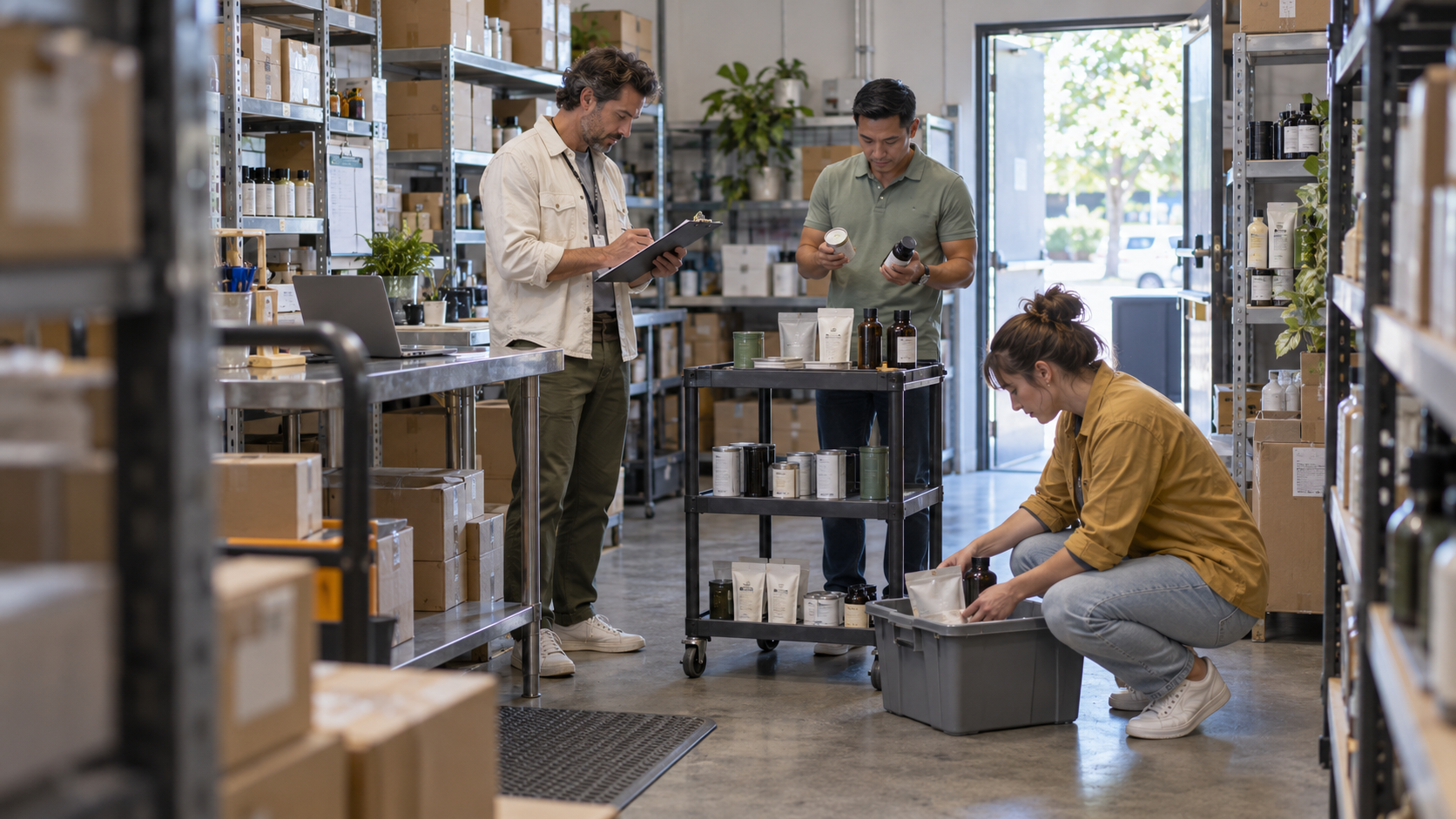
California hemp product shelf compliance inspection.
You might also like


SOURCES
Ganjapreneur, California Regulators Find Near Full Compliance Among Retailers for Hemp and Kratom Product Sales, September 8, 2026
Office of Governor Gavin Newsom, Governor Newsom Announces Nearly 15,300 Illegal Hemp, Kratom and 7 OH Products Removed From California Store Shelves, September 2, 2026
California Department of Alcoholic Beverage Control, Illegal Hemp Enforcement
https://www.abc.ca.gov/enforcement/illegal-hemp-enforcement/

Houston misdemeanor cannabis possession arrests have risen nearly 1,200 percent, from an average of about 35 per year from 2021 through 2023 to roughly 440 annually during the current mayoral administration. The surge comes as voters prepare to decide whether low level cannabis possession should become HPD's lowest enforcement priority.