
Massachusetts Cannabis Repeal Campaign Draws $3.2 Million From SAM
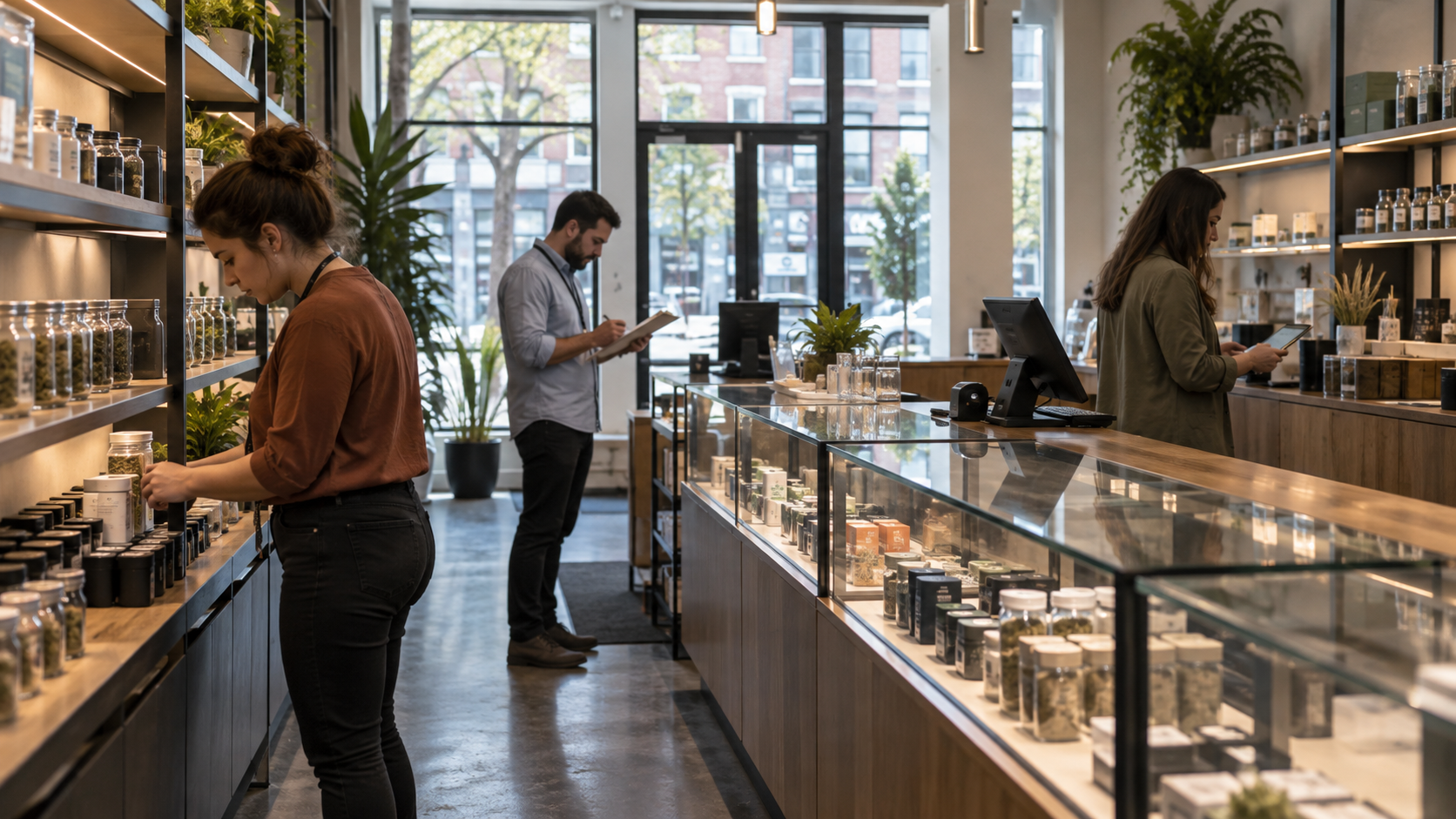
Massachusetts dispensary licensing and market stability.
Massachusetts cannabis operators are facing one of the most consequential state ballot fights since adult use legalization began. Smart Approaches to Marijuana Action Inc. has contributed approximately $3.18 million to the Coalition for a Healthy Massachusetts, which is supporting Question 8 on the November 3, 2026 ballot. If approved, the measure would eliminate regulated adult use cannabis sales while preserving limited personal possession and the medical cannabis program. For operators, employees, investors, landlords, and municipalities, the campaign creates immediate uncertainty around licenses, jobs, tax revenue, property commitments, and long term market stability.
Quick facts
• SAM Action contributed approximately $1.55 million in late 2025 and another $1.63 million during 2026
• Total SAM Action funding is approximately $3.18 million
• Cannabis Business Times characterized the contributions as dark money because the campaign disclosure identifies SAM Action as the contributor rather than revealing its underlying donors
• The Coalition for a Healthy Massachusetts had approximately $980,000 remaining as of September 4
• More than $1.8 million has already been spent on signature gathering
• Question 8 will appear on the November 3, 2026 Massachusetts ballot
• A yes vote supports eliminating regulated adult use cannabis retail sales
• The proposal would keep the Massachusetts medical cannabis program
• Adults age 21 and older would still be allowed to possess up to 1 ounce without penalty
• Possession between 1 and 2 ounces would carry a civil penalty under the proposal
• Current adult use operators could seek expedited conversion into the medical cannabis market
• Existing personal home cultivation rights would not continue under the proposed adult use framework
• The universal operator lesson is simple: political risk can become licensing and balance sheet risk even in a mature legal cannabis market
If Massachusetts market stability affects your business plan, complete our quick Puro Risk intake form so you can map licenses, property, payroll, contracts, inventory, and insurance exposure before the November vote creates a new operating reality.
Why the $3.2 million matters
Ballot initiatives require significant money to qualify, communicate with voters, and compete during the final weeks before an election.
SAM Action has supplied nearly all of the reported funding supporting Question 8.
Cannabis Business Times describes the funding as dark money because the public campaign filing identifies SAM Action as the source while the identities of the organization's underlying donors are not disclosed through the ballot committee filing.
That description should not be confused with an allegation that the contributions themselves are unlawful.
For operators, the practical lesson is that Question 8 is well funded and should be treated as a material business risk rather than a symbolic policy debate.
Why Question 8 would change the legal market
Question 8 would not criminalize all adult cannabis possession.
The official Massachusetts summary says adults age 21 and older could continue possessing up to 1 ounce without civil or criminal penalties.
The larger change would be commercial.
The measure would repeal the laws that authorize, regulate, and tax adult use cannabis retail sales. Medical cannabis would remain legal, and existing adult use businesses could pursue an expedited path into the medical program.
That means the biggest exposure sits with businesses built primarily around adult use customers.
If your Massachusetts operation depends heavily on adult use revenue, use the Puro Risk intake form to organize license information, lease obligations, debt, inventory, payroll, insurance, and vendor contracts before the election.
Why operators need scenario planning now
Businesses should not assume Question 8 will either pass or fail.
Retailers, cultivators, manufacturers, landlords, lenders, and investors should understand what each outcome would mean.
An operator with substantial debt, long term leases, inventory commitments, or specialized facilities may have very different exposure from a business capable of converting into medical operations.
Employment is another major concern.
Industry opponents of Question 8 cite roughly 20,000 Massachusetts cannabis jobs and substantial state and local tax revenue as reasons to preserve the current market. Supporters argue that ending commercial adult use sales would improve public health and reduce harms they associate with commercialization.
Those competing claims will be decided politically. Operators still need to manage the financial consequences either way.
Why license value could change quickly
Limited regulatory access creates value only while the underlying legal market exists.
A retailer license, cultivation facility, manufacturing operation, or cannabis specific lease can lose economic value rapidly if the permitted customer base changes.
That makes acquisition pricing, lending, property commitments, expansion, and capital expenditures more complicated until the vote is resolved.
If you are considering a Massachusetts acquisition, lease, loan, or major capital project, complete the Puro Risk intake form to identify which obligations survive even if adult use sales do not.
Conclusion
Massachusetts voters legalized adult use cannabis in 2016. Ten years later, Question 8 gives them an opportunity to reconsider a major part of that system.
The campaign supporting repeal now has approximately $3.2 million in backing from SAM Action and remains financially positioned to communicate with voters before November.
The universal operator lesson reaches beyond Massachusetts. Legal cannabis businesses carry political risk that traditional companies often do not. Licenses, property, employees, inventory, taxes, insurance, and investment value can all be affected by a single election.
Strong operators should prepare for both outcomes instead of betting the company on one.
Educational note: This article is for education only and is not legal, regulatory, political, tax, financial, investment, licensing, employment, real estate, or insurance advice.
What to do this week
• Model financial performance if adult use retail sales end
• Review leases, debt, vendor agreements, and property obligations
• Identify whether existing operations could qualify for medical cannabis conversion
• Review inventory and production commitments extending beyond the election
• Quantify jobs, payroll, taxes, and fixed expenses tied to adult use revenue
• Build separate operating plans for Question 8 passing and failing
FAQ
How much has SAM Action contributed?
Campaign disclosures cited by Cannabis Business Times show approximately $3.18 million in contributions from SAM Action.
What is Massachusetts Question 8?
Question 8 is a November 3 ballot proposal that would repeal the state's regulated adult use cannabis retail system.
Would cannabis possession become completely illegal?
No. The official summary says adults age 21 and older could continue possessing up to 1 ounce without penalty.
Would medical cannabis remain legal?
Yes. The proposal retains Massachusetts medical cannabis laws.
What happens to existing adult use businesses?
The measure provides an expedited opportunity for currently licensed adult use operators to apply for medical cannabis licenses, but that would not guarantee every existing business can preserve its current economics.
What is the biggest operator takeaway?
Treat the ballot initiative as an enterprise risk. Licenses, employees, leases, inventory, financing, and business value should all be modeled under both election outcomes.
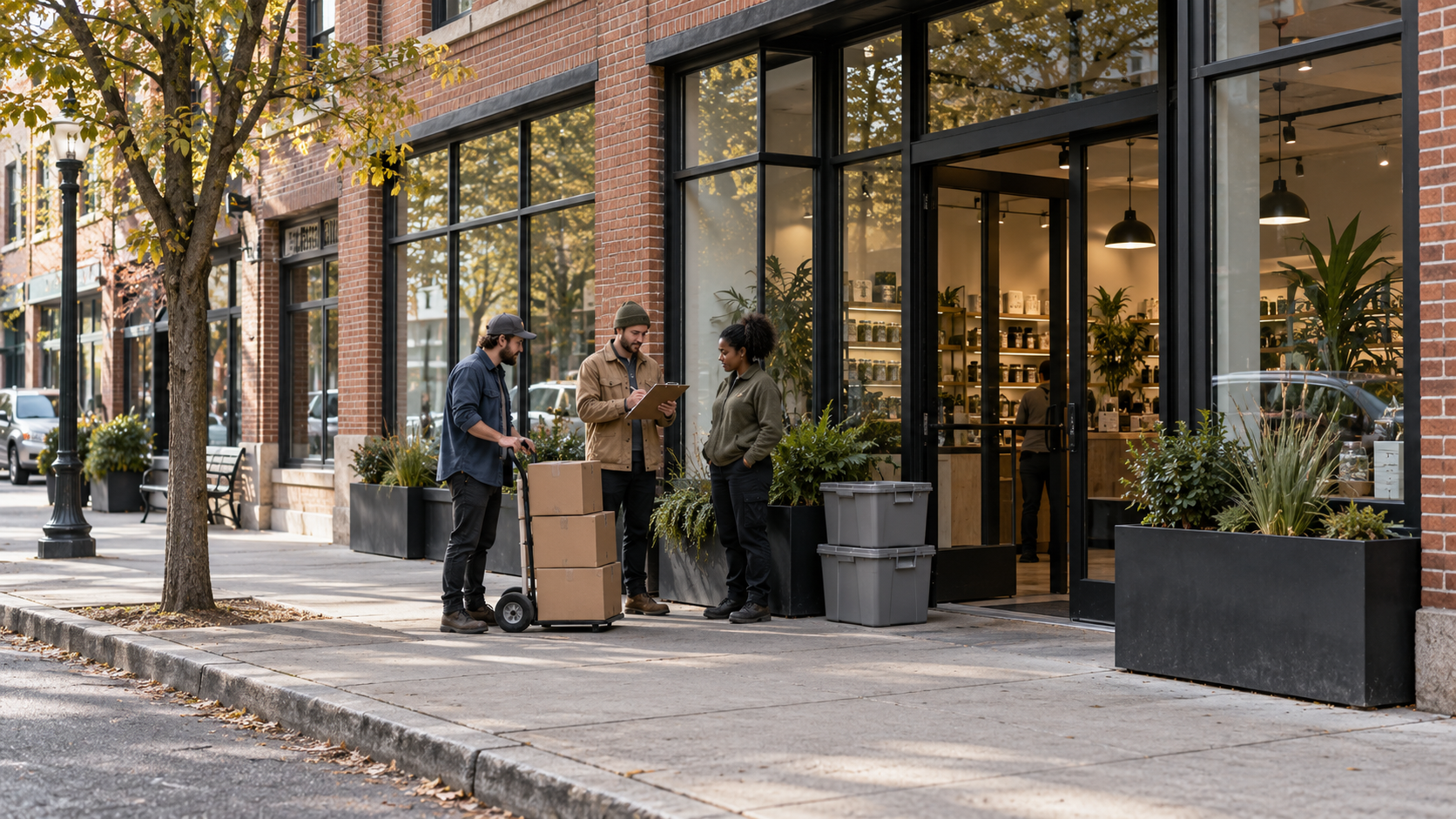
Massachusetts cannabis retailers facing repeal risk.
You might also like


SOURCES
Cannabis Business Times, SAM Contributes $3.2 Million In Dark Money To Massachusetts Cannabis Prohibition Campaign, September 8, 2026
Cannabis Business Times reports approximately $3.18 million in SAM Action contributions, more than $1.8 million in signature gathering expenses, and approximately $980,000 remaining in the campaign account as of September 4.
Massachusetts Secretary of the Commonwealth, Ballot Question Numbers Assigned For November Ballot
https://www.sec.state.ma.us/divisions/news/middle-story.htm
The Secretary of the Commonwealth confirms that the proposal will appear as Question 8 on the November 3, 2026 ballot under the title Prohibit Retail Sale of Adult Recreational Use Marijuana.
Commonwealth of Massachusetts, Final Summary For Initiative Petition 25 10
The official summary confirms that the proposal would repeal adult use retail legalization and taxation, retain limited possession rights, preserve medical cannabis, and provide an expedited medical licensing path for existing adult use businesses.

Houston misdemeanor cannabis possession arrests have risen nearly 1,200 percent, from an average of about 35 per year from 2021 through 2023 to roughly 440 annually during the current mayoral administration. The surge comes as voters prepare to decide whether low level cannabis possession should become HPD's lowest enforcement priority.