
Cannabis Drinks Linked To Less Alcohol Use And Better Sleep
Cannabis drink retail education
Cannabis beverages may be gaining traction as an alternative to alcohol, with new real world research showing meaningful changes in drinking behavior and self reported wellness outcomes. Research firm MoreBetter studied 4,516 participants using 36 cannabis infused drinks over three weeks. Marijuana Moment reports that 65 percent of participants said they consumed less alcohol during the study, while many also reported changes in sleep, mood, anxiety, and pain. For operators, the findings increase the importance of cannabis beverage compliance, responsible consumer education, dosage standards, and careful product claims.
Quick facts
• The study included 4,516 participants
• Researchers evaluated 36 different cannabis infused beverages
• Participants completed daily self reported surveys for three weeks
• The beverages contained between 1 and 10 milligrams of THC, with some also containing CBD, CBN, or CBG
• 65 percent of participants reported drinking less alcohol while consuming THC beverages
• 53 percent reported reduced cravings for alcohol
• 56 percent said they would consider cannabis drinks as a regular replacement for alcohol
• 47 percent said they preferred the tested cannabis beverage over their usual alcoholic drink
• 63 percent reported improved mood and 62 percent reported less anxiety
• Researchers reported improved self reported sleep quality and ease of falling asleep across all 36 products
• Some participants were surveyed again about 50 days later, with 63 percent reporting that they were still drinking less alcohol than before the study
• The study received partial funding from beverage companies whose products were tested, although MoreBetter says sponsors did not control study design or analysis
• The universal operator lesson is simple: promising consumer research creates opportunity, but it also increases responsibility around dosage, education, safety, and marketing claims
If cannabis beverages are becoming part of your product or retail strategy, complete our quick Puro Risk intake form so you can map product liability, labeling, compliance, distribution, marketing, and insurance exposure before expanding the category.
Why the alcohol substitution signal matters
The most significant finding may be the change in alcohol consumption.
Nearly two thirds of participants said they drank less alcohol during the research period. More than half reported reduced alcohol cravings, and 56 percent said they would consider making cannabis beverages a regular substitute.
Those numbers strengthen the argument that cannabis beverages may compete for some of the same consumer occasions as beer, wine, and spirits.
That does not mean cannabis will replace alcohol across every occasion. It does suggest that consumers may increasingly consider cannabis drinks when they want a social or evening beverage without choosing alcohol.
Why sleep and mood findings need careful interpretation
The study also reported changes beyond alcohol consumption.
Sixty three percent of participants reported improved overall mood. Sixty two percent reported less anxiety, 54 percent reported less pain, and 60 percent said their overall days were better when consuming the beverages.
Researchers also reported statistically significant improvements in self reported sleep quality and ease of falling asleep across all 36 products tested. Sleep duration improved significantly for 33 products.
These findings are notable, but they should not be presented as proof that cannabis beverages treat anxiety, pain, insomnia, or other medical conditions.
This was real world research based heavily on participant reporting rather than a randomized clinical trial.
Why dosage and product experience matter
The study included beverages containing between 1 and 10 milligrams of THC.
That range matters because cannabis beverage experiences can differ significantly based on dose, formulation, tolerance, other cannabinoids, timing, and whether alcohol or other substances are also consumed.
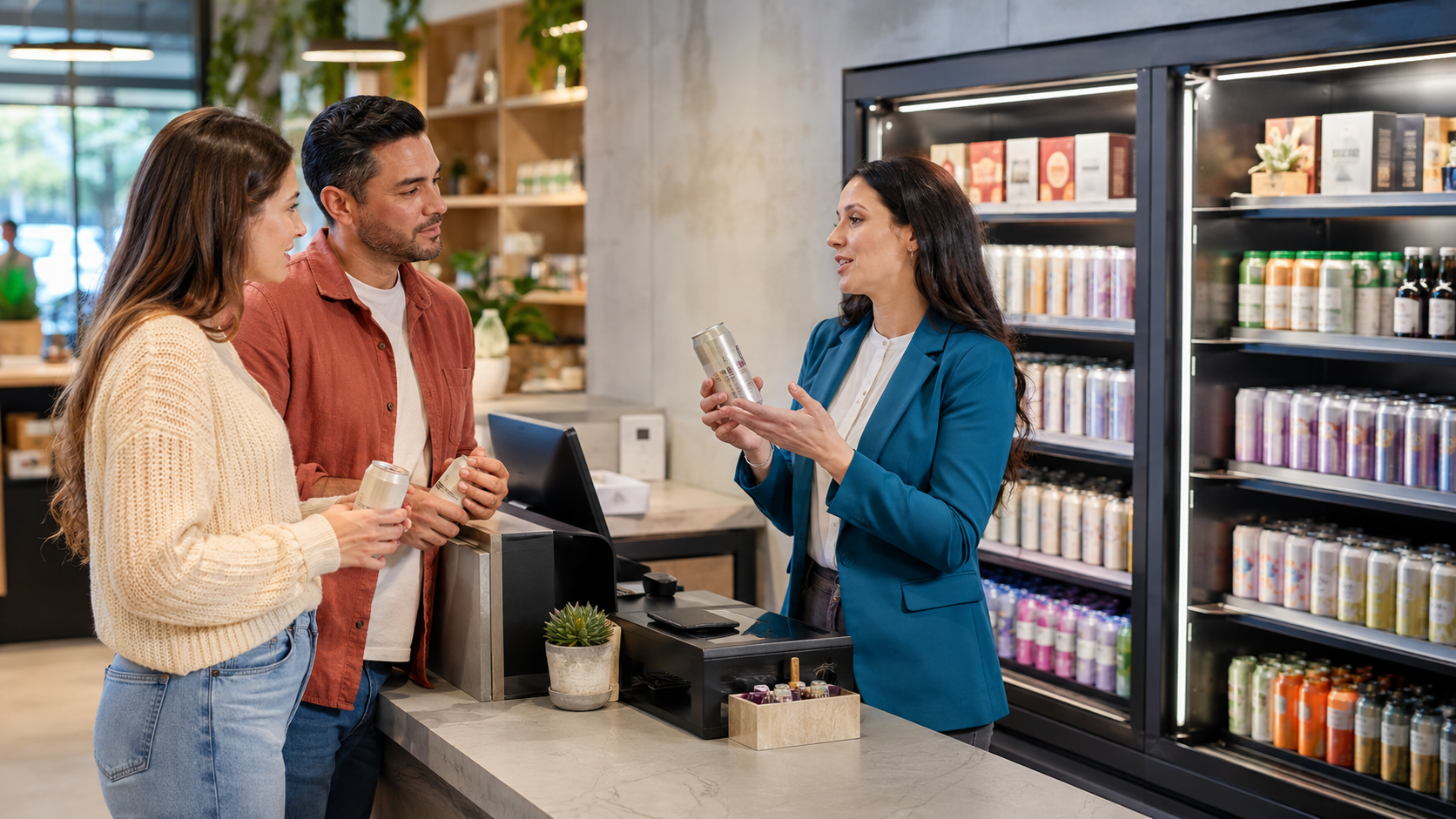
For manufacturers and retailers, consumer education should be as important as product innovation.
Clear dosage information, serving instructions, responsible use messaging, age controls, packaging, testing, and consistent formulation can help consumers understand what they are purchasing.
Why this creates a larger regulatory question
Cannabis beverages are developing while federal government and state policymakers are still deciding how hemp derived THC drinks should be regulated.
Growing evidence that consumers may use these products instead of alcohol gives policymakers another reason to consider a regulated framework rather than treating the entire category as one product type.
At the same time, stronger consumer adoption will likely bring more scrutiny around potency, labeling, advertising, age verification, product testing, health statements, and distribution.
If cannabis drinks are becoming a meaningful revenue opportunity, complete the Puro Risk intake form to identify product, regulatory, contractual, distribution, and insurance risks before scaling production or entering additional markets.
Conclusion
The MoreBetter findings add important evidence to the rapidly developing cannabis beverage market.
Participants reported less alcohol consumption, better sleep, improved mood, lower anxiety, and reduced pain while using cannabis drinks. Those results deserve attention, but they also require context because the research relies substantially on self reported real world data and does not establish that cannabis beverages medically treat those conditions.
For operators, the strongest takeaway is not to turn research into aggressive health claims.
It is to recognize changing consumer behavior and prepare for a beverage market where product consistency, dosage, education, compliance, and responsible marketing may become increasingly important competitive advantages.
Educational note: This article is for education only and is not legal, regulatory, medical, healthcare, product safety, marketing, scientific, financial, investment, or insurance advice. Consumers should speak with qualified healthcare professionals about medical or substance use concerns.
What to do this week
• Review beverage labels, serving sizes, potency information, and consumer instructions
• Audit marketing for unsupported health or therapeutic claims
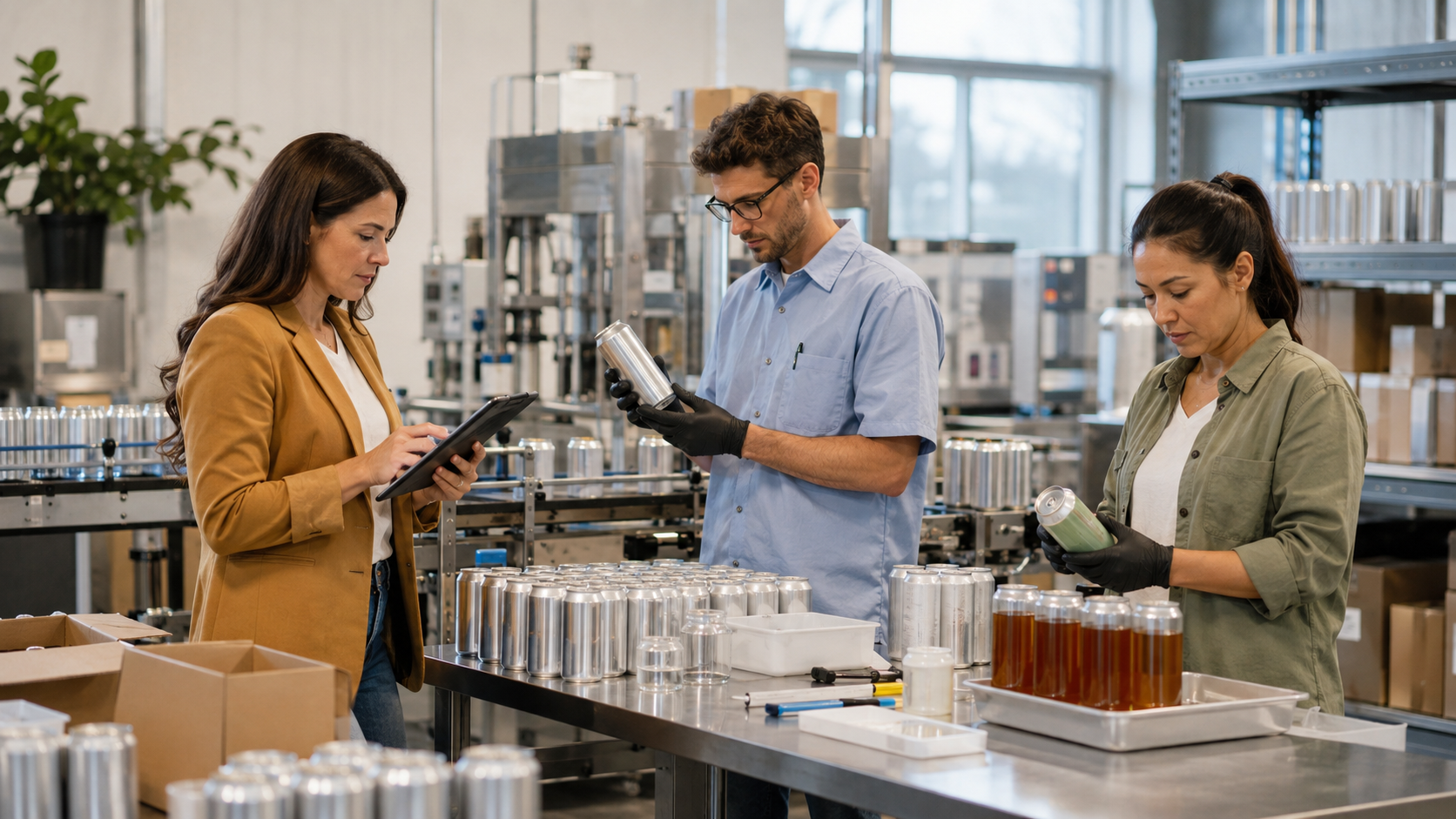
• Confirm testing and formulation records support advertised product information
• Review age verification and youth protection controls
• Track alcohol substitution research without treating observational findings as clinical proof
• Review product liability and recall procedures before expanding beverage distribution
FAQ
How many people participated in the cannabis beverage study?
The research included 4,516 participants who completed daily surveys during a three week period.
How many participants reported drinking less alcohol?
Sixty five percent said they consumed less alcohol while using the cannabis beverages during the study.
Did participants report better sleep?
Yes. Researchers reported improvements in self reported sleep quality and ease of falling asleep across the 36 products tested.
Did cannabis drinks reduce anxiety and pain?
Participants reported lower anxiety and pain, but the study does not prove cannabis beverages medically treat either condition.
Were the results from a clinical trial?
No. The research used real world participant data and self reported outcomes rather than a randomized clinical trial.
What is the biggest operator takeaway?
Consumer interest in cannabis drinks is growing, but businesses should pair product innovation with responsible dosage, testing, education, marketing, and product liability controls.
Cannabis beverage production and quality review
You might also like


SOURCES
Marijuana Moment, Cannabis Drinks Help People Consume Less Alcohol While Improving Sleep And Mood, Study Finds, August 20, 2026
Marijuana Moment reports the 4,516 participant sample, 36 tested beverages, alcohol substitution results, sleep and mood findings, study funding disclosures, and product potency range.
MoreBetter, Functional Beverage Study
https://morebetter.ltd/functional-beverage-study
MoreBetter describes its ongoing real world beverage research program, participant data, product level analysis, use patterns, dosing research, and consumer experience measurements.
MoreBetter, Functional Beverage Study Insights
https://morebetter.ltd/insights
MoreBetter reports additional findings involving alcohol substitution, sleep duration, product experience, consumer motivations, and the strengths and limitations of self reported real world evidence.

Trulieve and Cronos have each gained roughly 27 percent in 2026 while reporting stronger operating results. The broader signal is that public market attention is increasingly rewarding cash generation, improving margins, liquidity, and measurable revenue growth.