
New Mexico Cannabis Sales Stay Steady As Texas Border Towns Grow
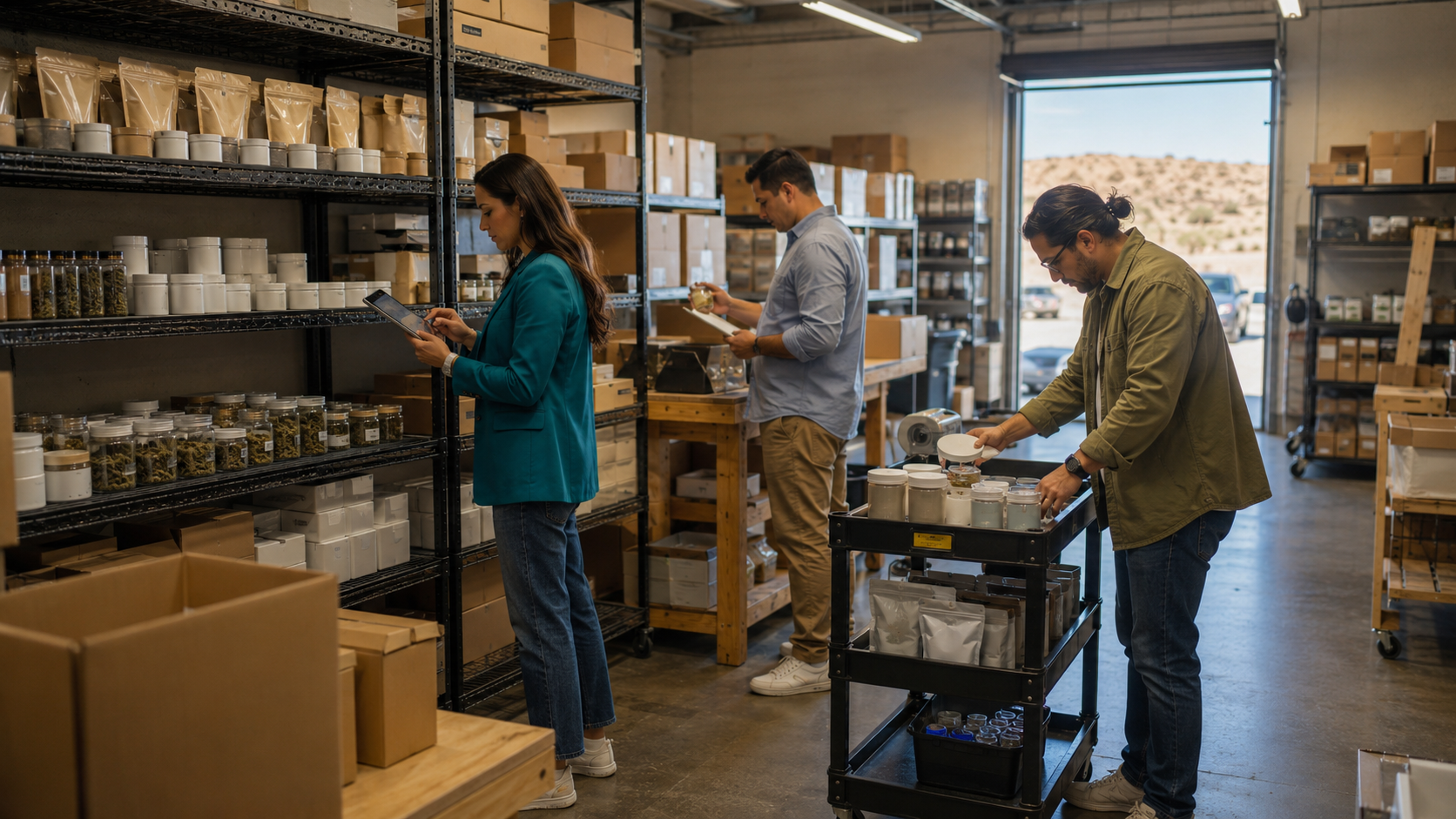
New Mexico cannabis inventory and retail growth
New Mexico cannabis sales are showing what a mature legal market can look like when strong consumer demand meets heavy retail competition. Retailers generated about $284.9 million in combined adult use and medical cannabis sales during the first half of 2026, with the total reaching roughly $332 million through July. Border communities near Texas continue to produce significant sales, while lower average transaction values and one of the highest retail densities in the country are putting greater pressure on margins and location strategy.
Quick facts
• New Mexico retailers generated about $284.9 million in combined cannabis sales during the first half of 2026
• Sales reached roughly $332 million through July
• New Mexico generated about $567 million in cannabis sales during 2025
• Albuquerque remains the largest cannabis market in the state
• Sunland Park ranked second statewide during the second quarter, generating roughly $5.3 million to $5.8 million in monthly sales
• Las Cruces generated approximately $2.6 million to $2.7 million per month during the second quarter
• Border communities including Chaparral and Santa Teresa also reported sales growth
• New Mexico has approximately 47 cannabis retail outlets per 100,000 residents
• The average cannabis transaction has declined from around $50 in 2022 to roughly $38
• A standard New Mexico cannabis retailer license carries a $2,500 annual license fee plus premises fees
• New Mexico does not cap the total number of cannabis licenses through a statewide license lottery
• The universal operator lesson is simple: stable sales do not guarantee strong margins when too many businesses compete for the same consumer spending
If New Mexico market conditions are affecting your retail or expansion strategy, complete our quick Puro Risk intake form so you can map locations, revenue, property, inventory, compliance, and insurance exposure before committing more capital to a competitive market.
Why stable sales can hide margin pressure
New Mexico does not appear to be experiencing a collapse in consumer demand.
The larger challenge is that operators are competing inside a market where customers have many choices and average transaction values have fallen.
That changes how businesses should interpret statewide revenue.
A market can produce hundreds of millions of dollars in annual sales while individual stores struggle because those dollars are divided among a large number of locations.
For retailers, the question is no longer simply whether consumers are buying cannabis. The better question is whether each location can generate enough gross profit to support rent, payroll, inventory, taxes, compliance, insurance, security, and other fixed expenses.
Why Texas border markets stand out
New Mexico's proximity to Texas creates an unusual source of demand.
Sunland Park, located next to El Paso, has become one of the state's strongest cannabis retail markets. Other communities near the Texas border are also benefiting from regional consumer traffic.
But border demand requires careful compliance.
A legal purchase inside New Mexico does not make interstate transportation lawful. Operators should evaluate border markets based on legitimate New Mexico retail activity without encouraging unlawful transportation across state lines.
The larger business lesson is that geography can materially change store economics.
Why retail density changes the equation
New Mexico has approximately 47 cannabis retail outlets for every 100,000 residents, placing it among the most retail dense cannabis markets in the country.
The state's licensing structure contributes to that accessibility. New Mexico does not impose a statewide numerical cap on cannabis licenses, and the annual retailer license fee is relatively modest compared with more restrictive markets.
That lowers barriers to entry, but easier entry can also create tougher competition.
Operators need to evaluate nearby stores, pricing, product selection, traffic patterns, customer retention, and local population before assuming another location will add profitable revenue.
Why average transaction value matters
The decline from roughly $50 per transaction in 2022 to about $38 today is one of the clearest signs that New Mexico has entered a more mature phase.
Lower transaction values can benefit consumers, but they place pressure on operators to manage purchasing and operating costs carefully.
A retailer generating more transactions does not automatically generate more profit if discounting and price competition reduce margin on every sale.
That makes inventory turnover, labor efficiency, purchasing discipline, and location performance increasingly important.
Why landlords and lenders should watch store economics
Strong statewide cannabis sales can make the market look healthier than every individual operator actually is.
Landlords and lenders should evaluate store level economics, not just statewide growth figures.
A location supported by dependable traffic and disciplined operations may perform well in a competitive market. A poorly located store with high rent and weak differentiation may struggle even when statewide sales remain stable.
If market maturity is forcing harder decisions around locations or capital, complete the Puro Risk intake form to identify property, lease, operational, compliance, and insurance exposures before restructuring or expanding.
Conclusion
New Mexico's cannabis market remains active, but the nature of the opportunity is changing.
Texas border traffic continues to support communities such as Sunland Park, while statewide sales remain substantial. At the same time, dense retail competition and lower average transactions are making disciplined operations more important.
The universal operator lesson extends beyond New Mexico. Mature cannabis markets reward businesses that understand store level economics, customer behavior, location quality, inventory, and margins rather than chasing revenue alone.
Educational note: This article is for education only and is not legal, regulatory, tax, financial, investment, licensing, real estate, interstate commerce, or insurance advice.
What to do this week
• Compare store level sales growth with gross margin and operating profit
• Map nearby competitors before opening or renewing another location
• Review average transaction values and discounting trends
• Analyze border locations without relying on unlawful interstate transportation
• Compare rent, payroll, inventory, taxes, and insurance against location revenue
• Build separate scenarios for stable sales, lower pricing, and increased local competition
FAQ
How much cannabis did New Mexico sell in the first half of 2026?
New Mexico retailers generated approximately $284.9 million in combined adult use and medical cannabis sales during the first six months of 2026.
How much had New Mexico sold through July?
MJBizDaily reported roughly $332 million in combined sales through the first seven months of 2026.
Which New Mexico city generates the most cannabis sales?
Albuquerque remains the largest cannabis retail market in the state.
Why is Sunland Park such a strong cannabis market?
Its location next to El Paso gives it access to significant regional traffic and demand from consumers coming into New Mexico.
Is New Mexico limiting the number of cannabis retailers?
New Mexico does not use a statewide numerical license cap or lottery system, which has helped create a highly competitive retail environment.
What is the biggest operator takeaway?
Stable statewide revenue does not guarantee individual profitability. In a dense mature market, location economics, pricing, customer retention, inventory, and margin discipline matter more.

New Mexico dispensary sales and border demand
You might also like


SOURCES
MJBizDaily, New Mexico Cannabis Sales Steady As Texas Border Towns Drive Growth, August 20, 2026
MJBizDaily reports the first half and July sales figures, leading markets, border community growth, retail density, tax revenue, and decline in average transaction values.
New Mexico Regulation and Licensing Department, Cannabis Data And News
https://www.rld.nm.gov/cannabis/data-news/
The Cannabis Control Division provides access to New Mexico's official Cannabis Reporting Online Portal and state cannabis industry data.
New Mexico Regulation and Licensing Department, Cannabis Licensing Fees
The state lists a $2,500 annual cannabis retailer license fee and a $1,000 annual fee for each licensed premises.

Trulieve and Cronos have each gained roughly 27 percent in 2026 while reporting stronger operating results. The broader signal is that public market attention is increasingly rewarding cash generation, improving margins, liquidity, and measurable revenue growth.