
Why Cannabis Insurance Premiums Are Rising
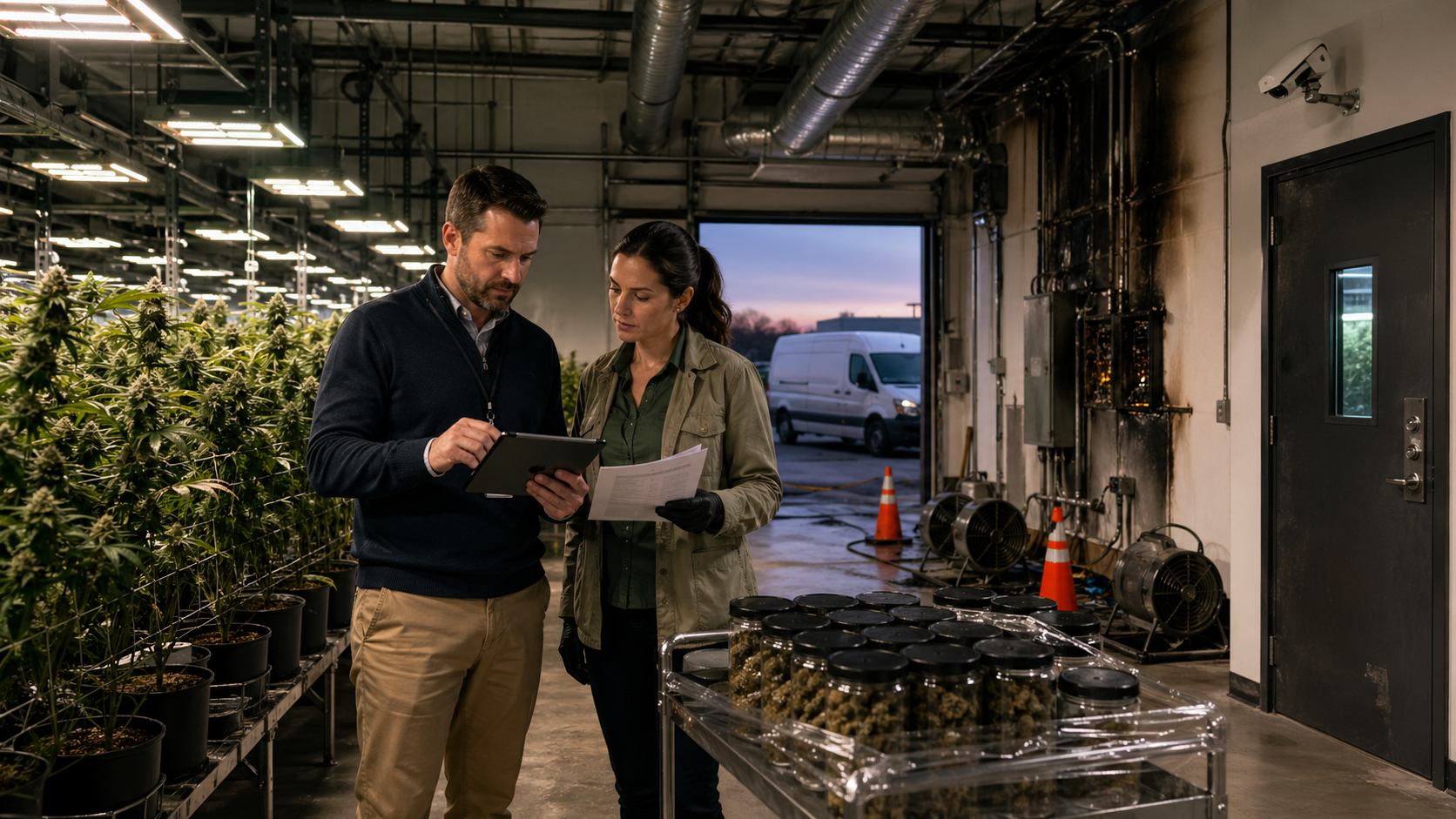
Cannabis facility staff reviewing insurance and risk documents near indoor grow infrastructure and packaged flower.
Cannabis insurance premiums are rising because carriers now have more real loss data, more pressure on pricing, and less room to guess. As the legal cannabis market matures, underwriters are responding to actual claims tied to fires, spoilage, theft, commercial auto losses, and litigation. On top of that, inflation has pushed up building values, equipment costs, and inventory values, which means the same loss now costs more to repair or replace. For operators, the takeaway is simple: stronger risk controls and better underwriting presentation matter more than ever.
If rising cannabis insurance premiums are affecting renewal strategy, Start with our quick Cannashield intake form so you can map exposures and identify where your operation may need a cleaner underwriting story.
Quick facts
• Cannabis insurance premiums are rising as carriers tighten underwriting based on actual loss experience.
• Common pressure points include fires, spoilage, crime, higher property values, and litigation risk.
• Indoor cultivation and commercial auto are among the segments facing sharper pricing pressure.
• Inflation continues to push insurance costs higher as replacement and repair costs increase.
• Extraction and processing operations face elevated fire and explosion concerns when ventilation and electrical controls are not properly managed.
The market is pricing off real losses now
For years, many cannabis accounts were priced in a market with limited long term loss history. That is changing. As carriers build a fuller claims record, they are getting more selective about what they want to insure and what rate they need to charge. The article points to fires linked to electrical systems and extraction issues, more spoilage claims, more crime losses, and rising litigation exposure as key reasons premiums are moving up. That shift matters because it means operators are no longer judged only on what they say their risks are. They are being judged against how the industry has actually performed.
The universal operator lesson is that insurance gets more expensive when a sector proves harder to insure than expected. Cannabis is now in that stage. Businesses with weak controls, incomplete documentation, or messy operations are more likely to feel the pressure first and hardest. Related internal read: Cannabis facility safety checklist
Fire, spoilage, and crime are hitting underwriting hardest
Property losses remain one of the biggest drivers. Indoor cultivation brings heavy electrical demand, specialized HVAC systems, and large concentrations of equipment and product under one roof. Processing adds another layer of complexity, especially where extraction is involved. Public safety guidance around cannabis processing and extraction underscores the need for proper ventilation, explosion safe equipment, and trained staff, which helps explain why underwriters scrutinize these accounts so closely.
Spoilage is another major issue because cannabis is sensitive to temperature, humidity, power loss, and equipment failure. Crime continues to pressure the market as well, especially where operators hold cash, finished goods, and high value inventory. Even when a claim is covered, repeated losses change how the account is viewed at renewal. That often leads to higher premiums, tighter terms, or both.
If you are preparing for renewal, Complete our quick Cannashield intake form to pressure test property controls, security measures, and documentation gaps before the market does it for you.
Inflation and litigation are adding another layer
Premiums are not rising only because of cannabis specific claims. Insurance costs across the broader market have also been pressured by inflation and higher repair and replacement costs. Treasury noted that homeowners insurance premiums increased faster than inflation in recent years, which reflects a broader reality for property insurance pricing. In cannabis, that same cost pressure shows up in buildings, equipment, vehicles, and inventory values. When insured values rise, premium often follows.
Litigation risk also matters. As the industry grows, so does the chance of employment disputes, product related claims, auto liability issues, and larger jury awards. That helps explain why underwriters are cautious on areas like commercial auto fleets and why insurers want cleaner internal controls and more discipline from management.
What operators can do right now
The good news is that operators are not powerless. Clean submissions still matter. Accurate values, organized loss runs, documented maintenance, staff training records, security details, and a clear explanation of operations can all improve how an account is viewed. Underwriters want reasons to trust the risk. The more clearly you show preventive maintenance, electrical oversight, extraction safety, inventory controls, and driver management, the better your chances of getting a fairer look.
Near term relief may not come from hoping the market softens. It is more likely to come from presenting a cleaner account and reducing avoidable losses. That is the real lesson in this cycle.
If you want to improve how your operation looks to underwriters, Complete our quick Cannashield intake form to organize your risk story before your next renewal or market review.
You might also like

Conclusion
Cannabis insurance premiums are rising because the market is finally pricing this sector off actual experience. Fires, spoilage, crime, inflation, and litigation have all made the underwriting picture tougher, especially for indoor cultivation and commercial auto. Operators that treat insurance as an afterthought will likely pay for it. Operators that build a cleaner, better documented risk profile give themselves a better shot at stronger options and fewer surprises at renewal.
Educational note: This article is for education only and is not legal, regulatory, or insurance advice. Coverage terms, pricing, and eligibility depend on carrier underwriting and confirmed facts.
What To Do This Week
• Review your current insured values for buildings, equipment, and inventory
• Pull loss runs and identify any repeat claim patterns
• Check electrical, HVAC, and extraction maintenance records
• Confirm your security controls, camera coverage, and cash handling procedures
• Review driver lists, vehicle use, and fleet safety policies
• Prepare a clean underwriting summary before your next renewal
FAQ
Why are cannabis insurance premiums rising?
Because carriers now have more real claims data and are tightening underwriting around losses, inflation, and litigation.
Which cannabis segments are being hit hardest?
The article highlights sharper pricing in indoor cultivation and commercial auto.
Why do fire risks matter so much?
Indoor grows and processing facilities can involve heavy electrical loads, specialized systems, and extraction related hazards.
Does inflation affect cannabis premiums too?
Yes. Higher repair, replacement, and insured values can all push pricing upward.
Can operators do anything to help pricing?
Yes. Better documentation, cleaner controls, and fewer preventable losses can improve underwriting outcomes.
What is the biggest operator lesson?
Present a clean risk profile and treat insurance readiness like an operating discipline, not a last minute task.

Minnesota surpassed $250 million in cannabis sales during its first full year of statewide licensed retail, while cultivation capacity and social equity participation expanded rapidly. The next test is whether rising supply can improve product availability without putting unsustainable pressure on smaller operators and margins.