
DC Cannabis Beverage Bill Creates a Narrow Lane
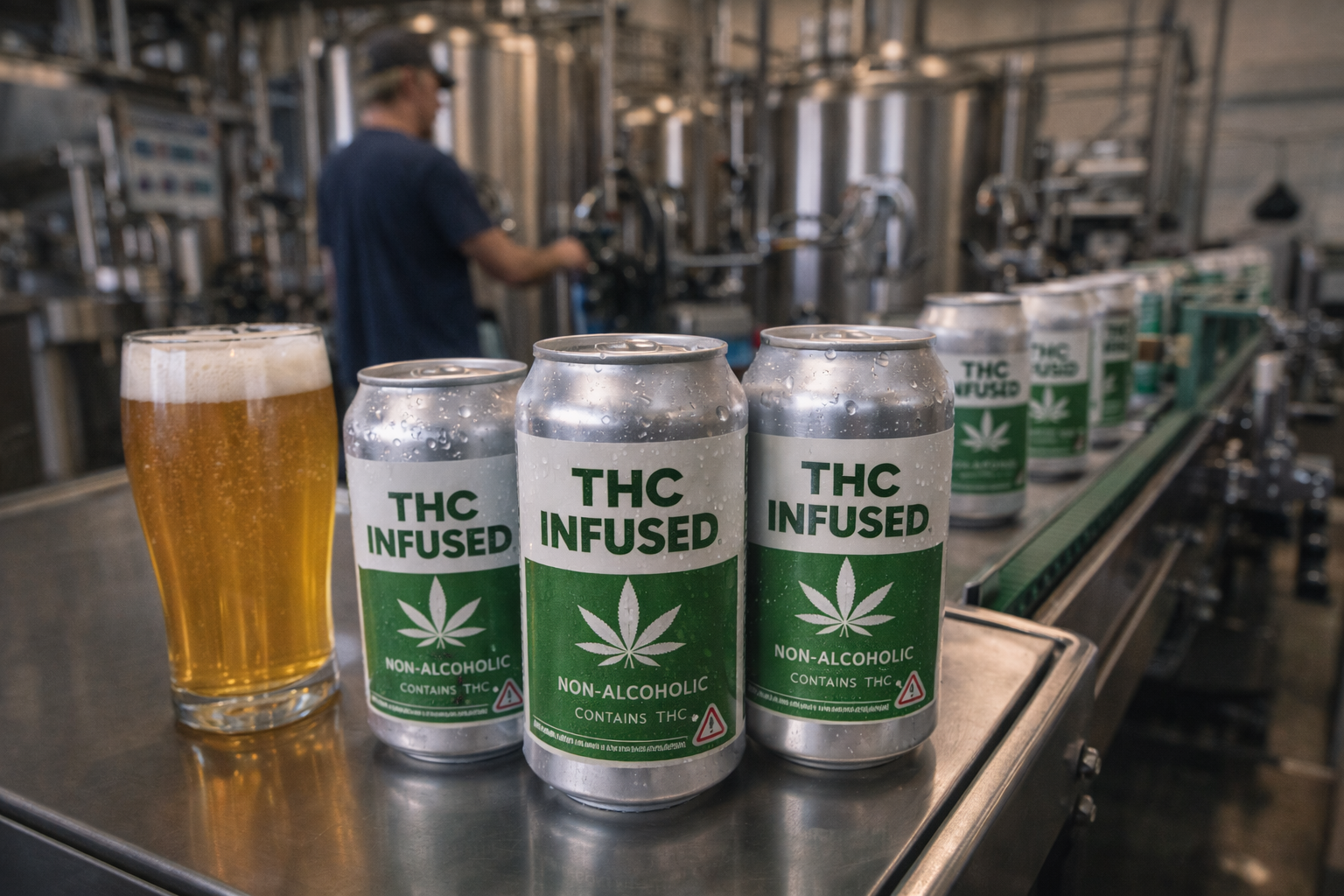
Brewing equipment and cannabis beverage cans illustrating DC’s proposed dispensary only pathway for THC drinks.
Washington, DC is trying to open a new cannabis product lane without opening a retail free for all. On April 2, Mayor Muriel Bowser announced the Medical Cannabis Beverage Product Amendment Act of 2026, a proposal that would let local breweries and distilleries partner with licensed medical cannabis manufacturers to produce THC infused, alcohol free beverages for the District’s medical cannabis system. The idea is simple but important. Use existing local beverage infrastructure to expand patient options, but keep production, testing, tracking, and sales inside the licensed medical channel.
Quick facts
• The bill would create a medical cannabis beverage production endorsement for holders of a manufacturer’s license class A or B, which covers eligible breweries and distilleries.
• Beverage producers could only act under a written agreement with a licensed medical cannabis manufacturer and would have to return finished products to that manufacturer.
• All medical cannabis beverages would have to be alcohol free and tested by a DC licensed laboratory before retail distribution.
• Sales would stay restricted to licensed medical cannabis retailers and registered medical cannabis patients. Direct sales from breweries, distilleries, bars, restaurants, grocery stores, and liquor stores would remain prohibited.
• The bill also creates a medical cannabinoids import endorsement so licensed manufacturers or cultivation centers could import certain cannabinoids that contain zero percent THC or a non detectable amount of THC from qualified sources.
• The proposal applies a six percent tax to sales of medical cannabis and medical cannabis products.
If this kind of regulated beverage expansion affects how you think about product development or dispensary strategy, Start with our quick Cannashield intake form so you can map manufacturing, labeling, and retail exposure before the rules move.
Why this bill matters
This proposal matters because it shows how regulators are likely to handle new cannabis formats when they want innovation without chaos. The District is not proposing cannabis drinks for bars. It is not opening general retail shelves. It is not letting local breweries sell THC beverages directly to consumers. Instead, the bill keeps custody with licensed medical cannabis manufacturers, requires testing, uses electronic tracking and reporting, and limits sales to the existing medical cannabis system. [Medical Cannabis Product Launch Checklist] [District Retail Channel Risk Review]
That is the real operator lesson. When lawmakers want a new product category but still want control, they usually build the new format inside the existing licensed lane. This is an inference based on the structure of the bill, the direct sale bans, and the requirement that finished beverages flow back through licensed medical cannabis manufacturers and retailers.
How the production structure actually works
The production design is tighter than the headline makes it sound. Under the bill, an endorsed brewery or distillery could receive cannabis or THC from a licensed medical cannabis manufacturer, produce medical cannabis beverages, and then deliver those finished beverages only back to that same licensed medical cannabis manufacturer. The endorsed beverage producer could not redirect those drinks to another manufacturer, a retailer, an internet retailer, or any other person. Any excess cannabis or THC that was not used would have to be returned. The bill also allows couriers to transport cannabis, THC, or finished beverages between the endorsement holder and the licensed manufacturer.
That matters because it keeps the production partner in a service role, not a retail role. Breweries and distilleries would bring bottling skill, equipment, and beverage know how, but the regulated cannabis side would still control the licensed chain. That is a smart structure for a city trying to expand supply while avoiding blurry custody rules. [Cannabis Manufacturing Documentation Controls]
If you want to pressure test whether a beverage product can move cleanly through a licensed manufacturing chain, Complete our quick Cannashield intake form and request a beverage compliance review.
Why the supply piece is bigger than it looks
The import endorsement is another important signal. The bill says licensed medical cannabis manufacturers and cultivation centers could apply to import certain cannabinoids from qualified sources, but only if those inputs comply with federal law, contain zero percent THC or a non detectable amount of THC, and are backed by a certificate of analysis verifying the absence of contaminants and THC before import into the District. The endorsement holder also would have to keep import records for five years.
That tells you the city is thinking about supply chain reliability, not just product novelty. It is trying to give manufacturers another path to formulate beverages while keeping testing, recordkeeping, and product safety in the middle of the process. The bigger lesson is simple. New product formats do better when the rules for inputs, testing, and retail destination are clear from day one. [Cannabis Beverage Compliance Review]
Conclusion
Bowser’s proposal is not a loose cannabis beverage play. It is a controlled medical cannabis expansion built around local production partnerships, alcohol free rules, mandatory testing, dispensary only sales, and patient only access. That is why it matters. It offers a real blueprint for how jurisdictions may open new cannabis product categories without giving up licensed channel discipline. The bill would still need Council action and the District’s normal congressional review process before taking effect.
If uncertainty around beverage manufacturing, dispensary only retail, or product channel strategy is affecting your next move, Complete our quick Cannashield intake form so you can identify weak spots before policy changes force rushed decisions.
Educational note: This article is for education only and is not legal, regulatory, tax, or insurance advice.
What To Do This Week
• Review whether your current manufacturing model can support beverages without breaking custody or testing controls.
• Separate production partner responsibilities from licensed cannabis manufacturer responsibilities in one clean workflow.
• Pull your labeling plan now, especially around dose, ingredients, warnings, and alcohol free language.
• Build a supplier file for any cannabinoid input you may need to import or source.
• Map the full path from production to lab testing to dispensary sale before discussing rollout.
• Decide whether your real opportunity is manufacturing, retail, or partnership revenue.
FAQ
What does the DC bill actually allow?
It would let eligible breweries and distilleries apply for a production endorsement so they can make medical cannabis beverages under written agreements with licensed medical cannabis manufacturers.
Can breweries or distilleries sell THC drinks directly to customers?
No. The proposal says finished products must go back to the licensed medical cannabis manufacturer, and official DC materials say direct consumer sales by breweries or distilleries are prohibited.
Would the drinks contain alcohol?
No. The bill and the mayor’s fact sheet both say medical cannabis beverages must be alcohol free.
Where would these beverages be sold?
Only through licensed medical cannabis retailers, and only to registered medical cannabis patients.
What is the purpose of the import endorsement?
It would let licensed manufacturers or cultivation centers import certain compliant cannabinoids with zero percent THC or a non detectable amount of THC from qualified sources for production use.
What is the operator lesson here?
When regulators allow a new cannabis format, they usually want tight channel control, clean testing, and clear custody rules. This is an inference based on how the DC bill is structured.