
Michigan Suspends Hemp License Over Excessive THC
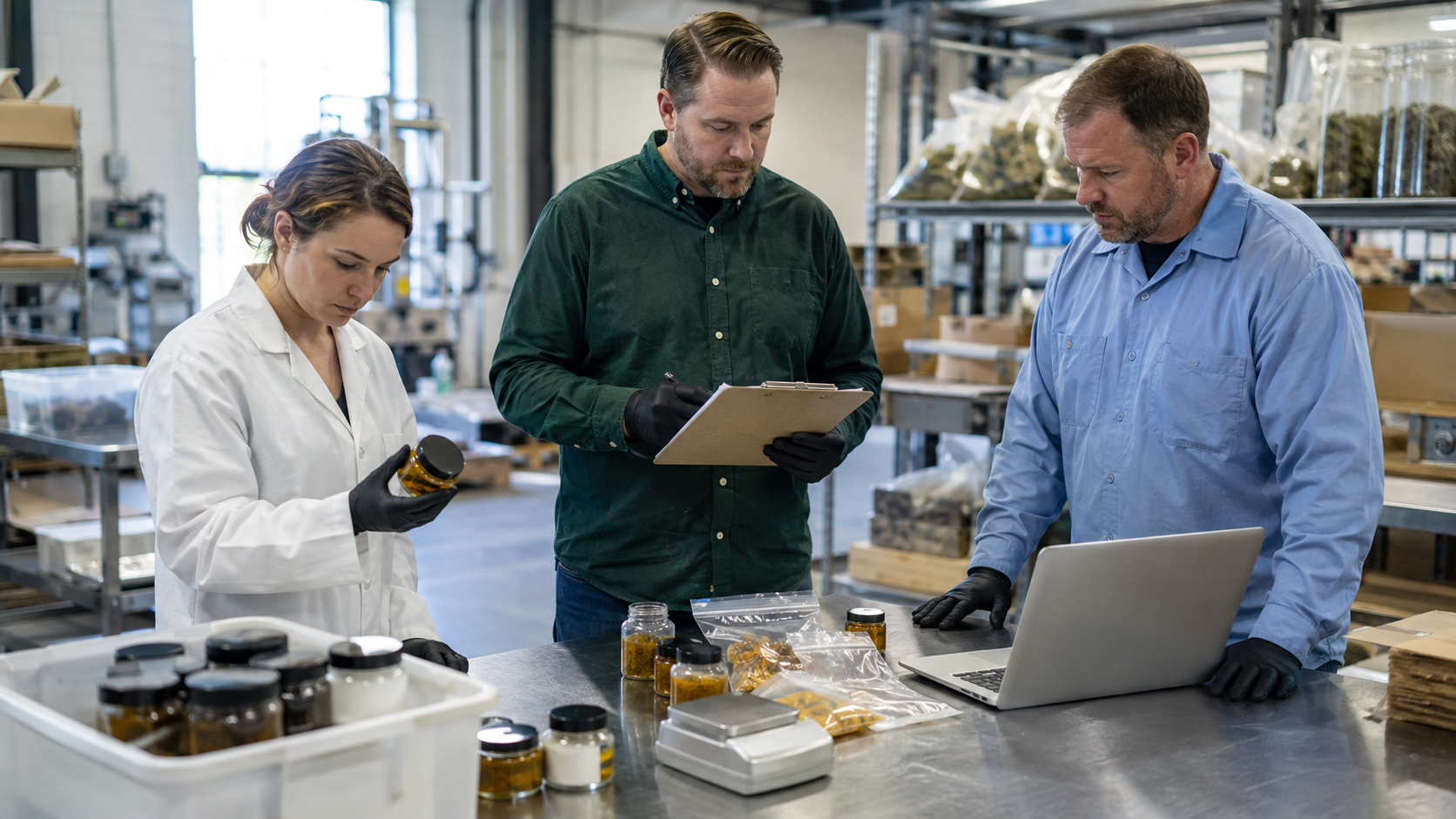
Michigan hemp product and license audit
Michigan hemp enforcement has moved into a more serious phase after regulators immediately suspended the processor handler license of Loud Labs of Michigan. The Cannabis Regulatory Agency says inspections and an inventory audit identified multiple products whose certificates of analysis showed delta 9 THC concentrations above the 0.3 percent limit separating hemp from cannabis under Michigan law. The agency has also announced its intent to revoke the license and impose a fine, making accurate testing, product classification, and inventory controls increasingly important for hemp operators across the state.
Quick facts
• Michigan CRA suspended Loud Labs of Michigan's hemp processor handler license effective immediately
• The agency also issued notice of its intent to revoke the license
• The enforcement action followed a March 25 compliance inspection and a May 18 inventory audit
• CRA investigators reviewed products and corresponding certificates of analysis
• One concentrate showed a reported delta 9 THC concentration of 92.84 percent
• Two additional concentrates showed reported concentrations of 21.38 percent and 20.35 percent
• Two transdermal patch products showed reported delta 9 THC concentrations of 0.59 percent and 0.45 percent
• Michigan's hemp threshold is 0.3 percent delta 9 THC on a dry weight basis
• The CRA alleges Loud Labs intentionally possessed cannabis above that threshold
• The allegations remain unresolved until the administrative process is completed
• The agency also provided notice of a proposed $500 administrative fine
• The action has been reported as Michigan's first hemp processor license suspension tied to excessive THC
• The universal operator lesson is simple: a certificate of analysis is not paperwork to file away because it can determine whether inventory remains hemp or becomes a serious licensing problem
If Michigan hemp compliance affects products you manufacture, handle, distribute, or sell, complete our quick Puro Risk intake form so you can map testing, inventory, product classification, compliance, contracts, and insurance exposure before an inspection turns a documentation issue into a licensing problem.
Why the THC results matter
The concentrations identified by regulators were not small deviations around the legal threshold.
The CRA notice identifies concentrates with reported delta 9 THC levels of 92.84 percent, 21.38 percent, and 20.35 percent.
It also identifies two transdermal patch products above the 0.3 percent threshold.
For operators, the larger issue is product classification.
A business holding a hemp processor handler license cannot assume every cannabinoid product in its possession qualifies as hemp simply because it originated in the hemp supply chain.
Testing results matter.
Why COAs are becoming enforcement evidence
Certificates of analysis are often treated as routine compliance documents.
This case shows why they should be treated as operational controls.
Michigan regulators say they compared physical inventory with laboratory records and identified products whose own COAs reported THC concentrations above the legal hemp limit.
That creates a straightforward compliance question for every processor.
Does the product on the shelf match the certificate attached to it, and does that certificate support the legal classification under which the business is possessing it?
Why inventory audits need to happen internally
Waiting for regulators to identify a problem is a weak control system.
Processors should know which products are on site, where they came from, which test results apply, whether potency has changed during processing, and whether the product can legally remain within the hemp program.
This becomes especially important during extraction and concentration.
Processing cannabinoids can change the concentration of THC even when the original plant material qualified as hemp.
Operators should have procedures for material that moves outside legal hemp specifications rather than allowing questionable inventory to remain mixed with compliant products.
Why retailers and suppliers should pay attention
The compliance lesson does not stop with the processor.
Retailers and distributors depend on suppliers for accurate product classification, testing, and documentation.
A problem upstream can create unsellable inventory, product removal costs, contract disputes, regulatory questions, and customer concerns downstream.
Purchasing teams should verify current COAs and understand who is responsible when a product does not meet legal specifications.
If a supplier compliance problem could leave your business holding affected inventory, complete the Puro Risk intake form to identify purchasing, contract, product, inventory, and insurance risks before the next shipment arrives.
Conclusion
Michigan's action against Loud Labs is a clear signal that hemp oversight is moving beyond warnings and routine inspections.
The case has not reached a final administrative determination, and the allegations should not be treated as proven until that process is completed.
The operational lesson is already important.
Hemp businesses need accurate testing, disciplined inventory audits, clear product classification, strong supplier records, and procedures for products that exceed legal THC limits.
The universal operator lesson extends beyond Michigan. Compliance problems become much more expensive when the evidence is already sitting inside the company's own laboratory records.
Educational note: This article is for education only and is not legal, regulatory, product safety, laboratory, licensing, financial, investment, claims, or insurance advice.
What to do this week
• Audit current hemp inventory against corresponding certificates of analysis
• Flag every product approaching or exceeding applicable THC limits
• Confirm laboratory records match the specific inventory being stored or sold
• Review procedures for handling products that fall outside hemp specifications
• Review supplier agreements for testing, compliance, returns, and indemnification responsibilities
• Document corrective action before the next regulatory inspection
FAQ
Why did Michigan suspend Loud Labs' hemp license?
The CRA alleges the company possessed products whose certificates of analysis showed delta 9 THC concentrations above Michigan's 0.3 percent hemp threshold.
How high were the reported THC levels?
The agency identified concentrates with reported delta 9 THC concentrations of 92.84 percent, 21.38 percent, and 20.35 percent, plus two patch products at 0.59 percent and 0.45 percent.
Has the license been permanently revoked?
Not yet. The license has been suspended, and the CRA has issued notice of its intent to revoke it. The administrative process still provides an opportunity for a hearing.
Did the regulator rely on laboratory records?
Yes. The CRA says investigators reviewed physical inventory and corresponding certificates of analysis during inspections and an inventory audit.
Does a hemp origin guarantee a processed product remains hemp?
No. Operators need to evaluate the finished or intermediate product under applicable THC limits and other regulatory requirements.
What is the biggest operator takeaway?
COAs should be active compliance controls. Testing, inventory, supplier records, and product classification need to match before regulators arrive.

Michigan hemp product and license audit
You might also like


SOURCES
Ganjapreneur, Michigan Regulators Suspend Hemp Business License Over Excessive THC, August 31, 2026
https://ganjapreneur.com/michigan-regulators-suspend-hemp-business-license-over-excessive-thc/
Michigan Cannabis Regulatory Agency, Michigan's Cannabis Regulatory Agency Suspends Loud Labs Of Michigan Hemp Processor Handler License, August 25, 2026
The CRA confirms the immediate suspension, the March inspection, the May inventory audit, the 0.3 percent threshold, and its intent to revoke the license.
Michigan Cannabis Regulatory Agency, Notice Of Suspension, Intent To Revoke Hemp Processor Handler License, And Imposition Of Fines
The official notice lists the reported THC concentrations of 92.84 percent, 21.38 percent, 20.35 percent, 0.59 percent, and 0.45 percent and explains the proposed revocation and fine process.

Trulieve and Cronos have each gained roughly 27 percent in 2026 while reporting stronger operating results. The broader signal is that public market attention is increasingly rewarding cash generation, improving margins, liquidity, and measurable revenue growth.