
Oklahoma Cannabis Processor Explosion Raises Serious Safety And Insurance Questions
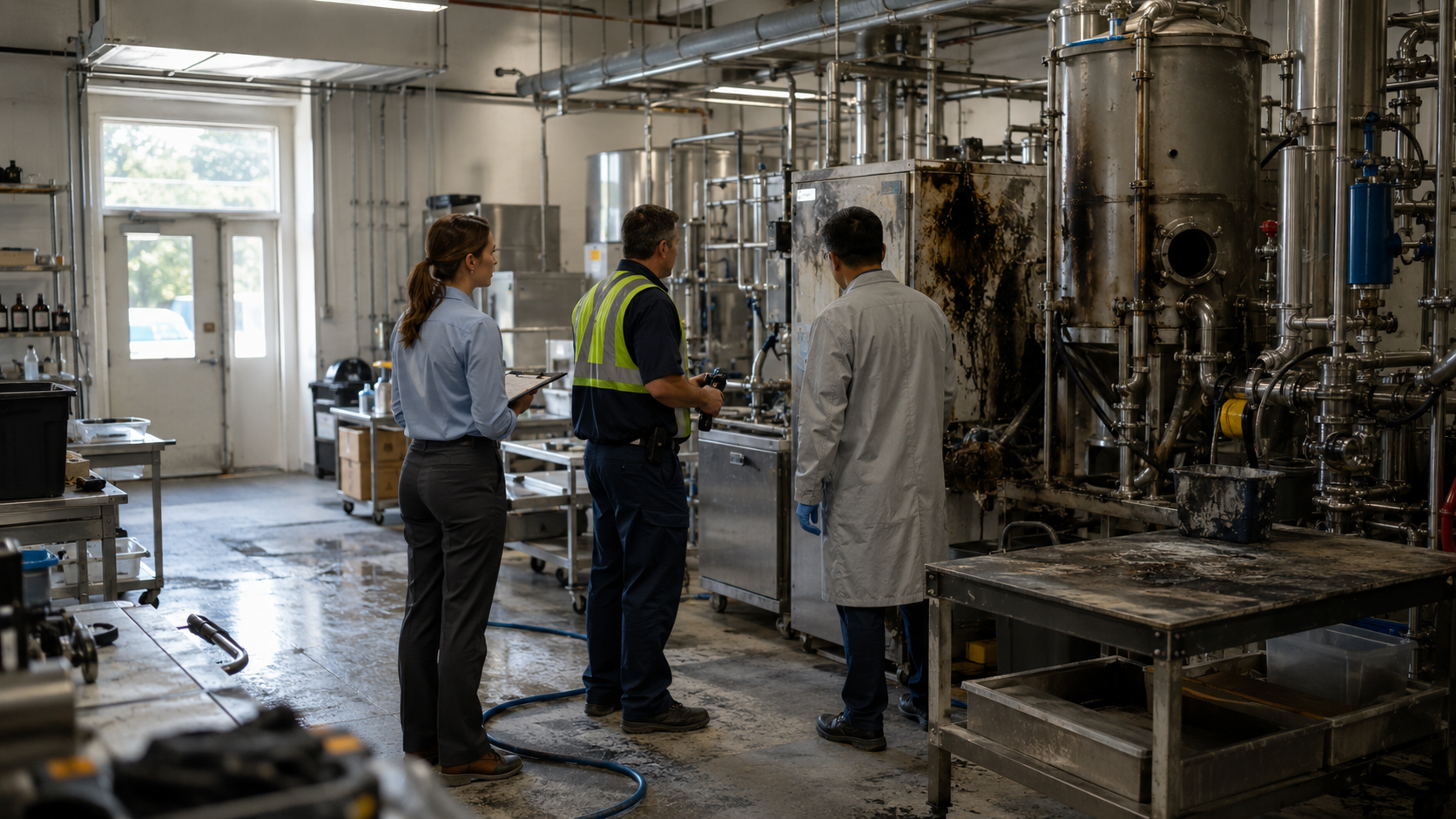
Damaged cannabis processing equipment inspection
A deadly explosion at an Oklahoma medical cannabis processing facility is putting extraction safety, fire code compliance, insurance, and landlord risk under sharper scrutiny. Authorities say the August 27 explosion in Sand Springs killed two people and damaged at least 25 nearby businesses. Cannabis Business Times, citing local reporting, identified the facility as Solos Extract Co., an active licensed medical cannabis processor that had reportedly been ordered by the city fire marshal to cease operations following a failed inspection before the explosion. The cause remains under investigation, and criminal charges filed in connection with the incident remain allegations that have not been proven in court.
Quick facts
• The explosion occurred around 1:14 a.m. on August 27 in Sand Springs, Oklahoma
• Two people died following the explosion
• At least 25 nearby businesses reportedly sustained damage
• Local reporting identified the facility as Solos Extract Co.
• Cannabis Business Times reported that the facility held an active Oklahoma medical cannabis processor license
• The Sand Springs fire marshal had reportedly ordered the business to cease operations after a failed inspection the week before the explosion
• Ryan Bassham, 35, was arrested and charged with two counts of first degree murder
• The criminal case remains pending and the charges are allegations
• Investigators have not publicly issued a final determination establishing the cause of the explosion
• Oklahoma medical cannabis processors are classified as hazardous or nonhazardous depending on the chemicals used during extraction
• Hazardous processing involves chemicals considered hazardous under federal workplace communication standards
• Oklahoma requires licensed cannabis businesses to comply with inspections and applicable building and fire requirements
• The universal operator lesson is simple: an active cannabis license does not replace fire code approval, safe operating procedures, correct equipment, employee training, or insurance designed around the actual operation
If your processing operation uses extraction equipment, gases, solvents, or other hazardous processes, complete our quick Puro Risk intake form so you can map fire, property, liability, equipment, compliance, and insurance exposure before a safety issue becomes a catastrophic loss.
Why the cease operations report matters
One of the most important facts remains under investigation.
Cannabis Business Times reports that the Sand Springs fire marshal had ordered the facility to cease operations following a failed inspection approximately one week before the explosion.
The exact inspection findings and the activities occurring when the explosion happened remain part of the investigation.
Operators should not assume that an active state cannabis license means a facility is authorized to continue operating under every circumstance.
Cannabis businesses can face overlapping requirements from state cannabis regulators, local fire departments, building officials, workplace safety regulators, municipalities, and other agencies.
A problem with any one of those layers can affect whether an operation should remain active.
Why extraction creates different life safety exposure
Cannabis processing can involve very different hazards depending on the extraction method.
Oklahoma distinguishes between hazardous and nonhazardous processors based on whether the operation uses chemicals classified as hazardous under federal workplace standards.
That distinction matters.
Processing facilities using hazardous materials may require specialized ventilation, electrical systems, equipment, fire suppression, storage controls, employee procedures, and building configurations.
The physical facility must be designed around the actual process taking place inside it.
Why landlords need to understand the actual operation
The explosion reportedly damaged numerous neighboring businesses in the same commercial complex.
That creates a larger property lesson.
Landlords leasing space to cannabis processors should understand what the tenant actually does inside the building, not simply whether the tenant has a cannabis license.
Extraction methods, hazardous materials, electrical demand, ventilation, equipment installations, storage practices, and changes to operations can materially change property exposure.
Lease requirements should align with permitted use, licensing, inspections, insurance, and any restrictions involving hazardous activities.
Why insurance deserves a deeper review
A catastrophic event can involve several different insurance questions at once.
Potential issues can include property damage, neighboring property claims, bodily injury, business interruption, equipment, pollution, workers compensation, landlord exposure, and defense costs.
Having insurance does not automatically determine whether every loss is covered.
Policy terms, disclosed operations, exclusions, limits, conditions, property schedules, hazardous processes, causation, and compliance issues can all become important after a major claim.
Operators should make sure insurers and insurance professionals understand the real operation before a loss occurs.
If your insurance application describes your business differently from what is actually happening inside the facility, complete the Puro Risk intake form to identify property, liability, equipment, hazardous operation, and coverage issues before they surface during a claim.
Conclusion
The Sand Springs explosion is first and foremost a tragedy involving two deaths and significant damage to neighboring businesses.
The investigation and criminal case still need to determine what happened and who, if anyone, is legally responsible.
For cannabis operators, landlords, lenders, and insurance teams, the broader lesson is already clear.
Extraction and processing facilities require more than a cannabis license. Safe operations depend on correct equipment, fire code compliance, inspections, employee procedures, facility design, accurate insurance information, and immediate action when authorities identify a serious safety problem.
The universal operator lesson applies far beyond Oklahoma. When an operation involves hazardous materials or high risk processing, compliance failures can become life safety events, property losses, business interruption, litigation, and insurance disputes at the same time.
Educational note: This article is for education only and is not legal, regulatory, criminal defense, workplace safety, fire protection, engineering, claims, financial, licensing, or insurance advice. Criminal charges are allegations, and defendants are presumed innocent unless proven guilty.
What to do this week
• Confirm extraction activity matches the facility's current processor license classification
• Review recent fire, building, cannabis, and safety inspection findings
• Document corrective actions required by regulators or local authorities
• Confirm insurers have accurate information about extraction methods and hazardous materials
• Review landlord and tenant responsibilities for equipment, alterations, inspections, and hazardous operations
• Update emergency procedures, employee training, equipment records, and incident response plans
FAQ
What happened at the Oklahoma cannabis processor?
An explosion occurred at a business in Sand Springs on August 27, killing two people and damaging numerous neighboring businesses.
Was the facility licensed?
Cannabis Business Times reports that Solos Extract Co. held an active Oklahoma medical cannabis processor license.
Had the business been told to stop operating?
Local reporting cited by Cannabis Business Times says the Sand Springs fire marshal ordered the business to cease operations following a failed inspection about a week before the explosion.
Has the cause of the explosion been officially determined?
The investigation remains ongoing. Authorities have not publicly released a final investigative determination establishing the full cause.
Has anyone been charged?
Ryan Bassham was charged with two counts of first degree murder. The charges are allegations and have not been proven in court.
What is the biggest operator takeaway?
A cannabis license is only one layer of authorization. Processors also need appropriate fire, building, equipment, workplace safety, operational, and insurance controls that match the activities actually occurring at the facility.
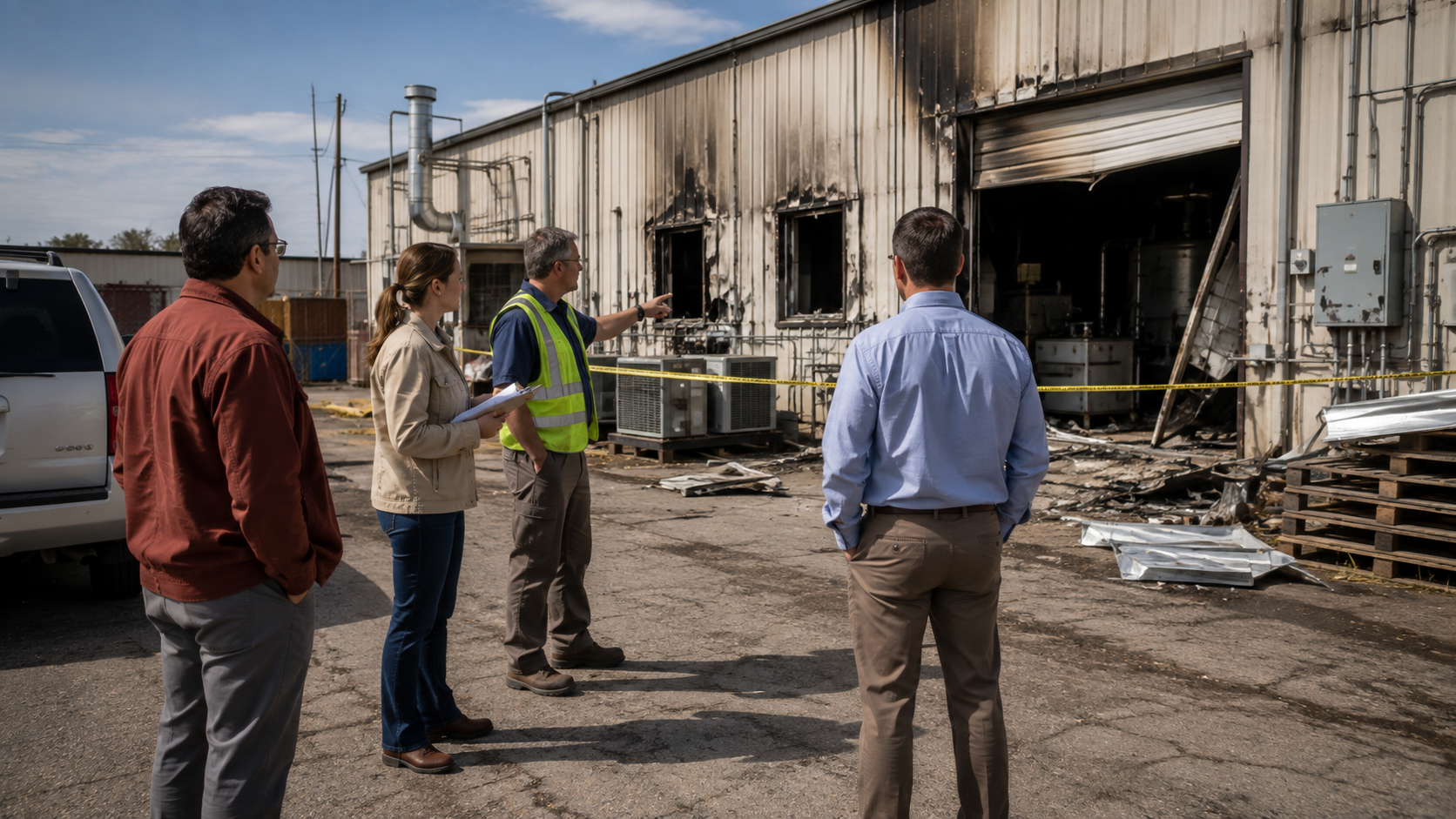
Oklahoma cannabis explosion site inspection
You might also like


SOURCES
Cannabis Business Times, Two Dead In Oklahoma Cannabis Business Explosion; Man Arrested, August 31, 2026
Cannabis Business Times reports the two deaths, arrest, damage to surrounding businesses, active processor license, reported cease operations order, and ongoing multiagency investigation.
Oklahoma Medical Marijuana Authority, Processor License
https://oklahoma.gov/omma/businesses/commercial-licenses/processor-license.html
OMMA explains that Oklahoma processors receive either hazardous or nonhazardous licenses based on whether their extraction methods use chemicals considered hazardous under federal workplace standards.
Oklahoma Medical Marijuana Authority, Inspections And Compliance
https://www.oklahoma.gov/omma/businesses/inspections-and-compliance.html
OMMA confirms that licensed businesses are subject to compliance inspections and audits and that public health and safety concerns can trigger additional investigation.

Trulieve and Cronos have each gained roughly 27 percent in 2026 while reporting stronger operating results. The broader signal is that public market attention is increasingly rewarding cash generation, improving margins, liquidity, and measurable revenue growth.