
Missouri Track And Trace Bid Signals A Tech Reset
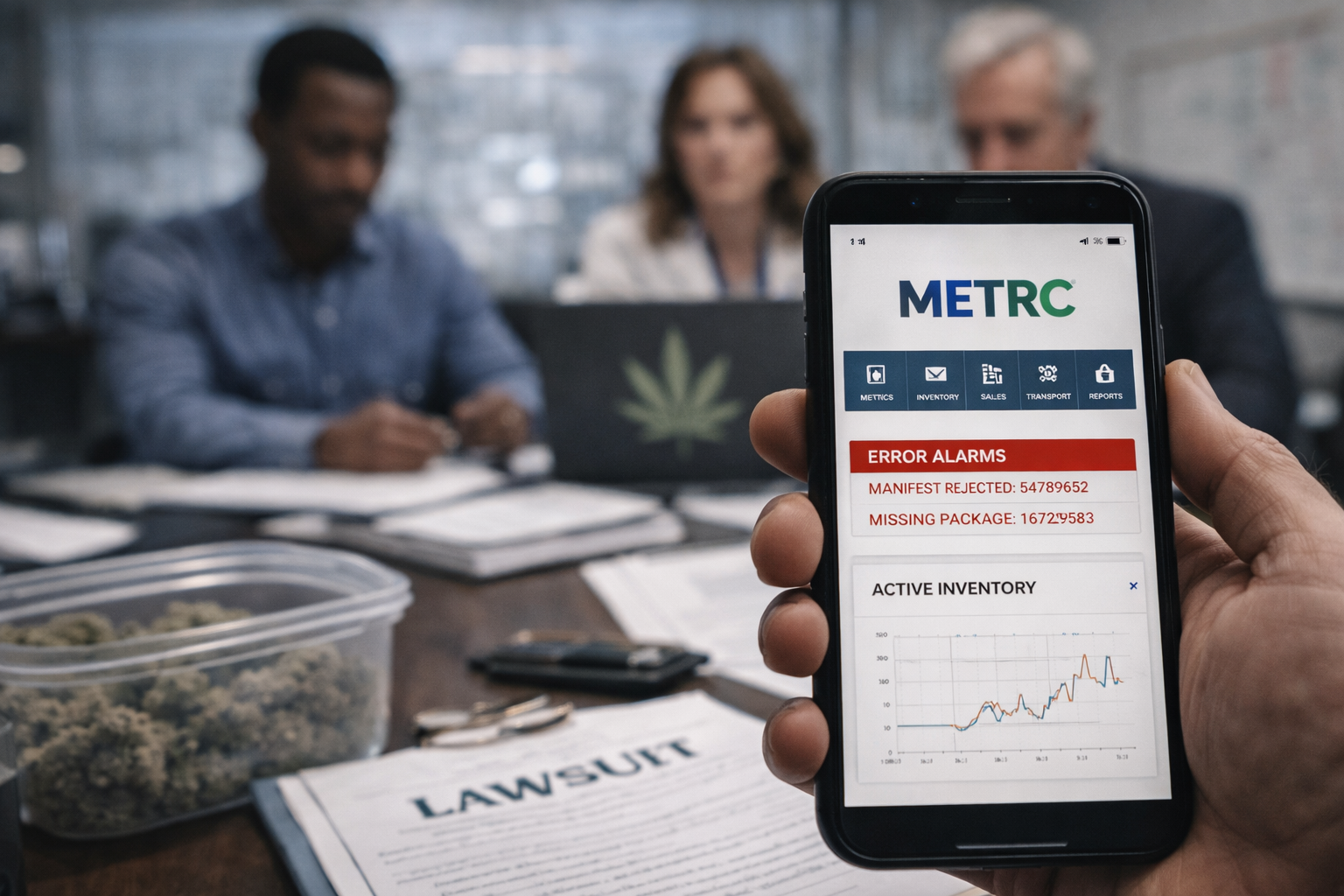
Missouri cannabis compliance meeting with track and trace software alerts, inventory records, and discussion about better regulatory technology.
Cannabis track and trace software just became a live strategic issue in Missouri. The state has an active bid out for a new seed to sale and licensing solution, and MJBizDaily reported Missouri could become the first known state to replace Metrc if another bidder wins. That matters because Missouri’s own constitution requires a seed to sale system, but it does not lock the state into one vendor. It tells the department to certify compliant commercially available systems, which means this bid is not just a procurement story. It is a signal about where states may want compliance technology to go next.
Quick facts
• Missouri’s constitution requires a seed to sale tracking system and says the department shall certify commercially available tracking systems that meet its standards.
• Missouri rules require licensees to stop tracked activity if a seed to sale system fails or loses connection with the statewide track and trace system, and to report that failure within three hours.
• The active Missouri bid was posted March 11, 2026, is due April 14, 2026, and seeks a fully integrated system covering track and trace, licensing, case management, ERP, data solutions, and training.
• Missouri’s state auditor said in February 2026 that Metrc did not have the capability to identify over limit purchases in real time and recommended real time transaction analysis controls.
If your operation depends on state compliance systems, Start with our quick Cannashield intake form so you can map inventory, audit, and documentation exposure before a system change hits your workflow.
Why This Matters Beyond One Vendor
The most important part of this story is not whether Metrc stays or goes. It is that Missouri’s legal framework already assumes more than one compliant system can exist. Article XIV requires the department to use seed to sale tracking, but it also tells the department to certify commercially available systems that meet its standards. Missouri’s rules go even further and make clear that licensees may use department certified seed to sale systems that integrate with the statewide track and trace system. In other words, Missouri’s structure was built to allow alternatives, not permanent lock in.
That matters for operators everywhere because track and trace is not a side tool. Missouri rules require daily accuracy in the statewide system, immediate correction of errors, and a stop to tracked activity when system failure interrupts reporting. When the system is slow, fragmented, or hard to support, that pain does not stay in the IT department. It lands in inventory control, inspections, investigations, and day to day compliance. [Cannabis Inventory Control Checklist] [Compliance Workflow Review]
If you want to pressure test how a system or data change could affect audits, holds, or purchase limits, use our Cannashield questionnaire and request a compliance workflow review.
What Missouri Seems To Want Now
The active Missouri bid reads like a state looking for cleaner coordination and less manual drag. The procurement summary says the Division of Cannabis Regulation wants a fully integrated solution that handles track and trace, application registration, ID cards, licensing, case management, ERP, data solutions, and user training. It also says the current setup is outdated, has functionality gaps, and creates inefficiencies as the market grows. That is a pretty strong signal that the state wants more than inventory logging. It wants cleaner data flow, tighter case history, and faster regulatory response.
The state auditor’s February 2026 findings make that signal even louder. The auditor said Metrc did not currently have the capability to identify purchases above legal transaction limits in real time, creating diversion and public safety concerns. The audit also recommended integrating real time transaction analysis and stronger internal controls. That makes Missouri’s bid look less like routine vendor shopping and more like follow through on a public oversight problem. [State Cannabis Data Risk Map]
The Universal Operator Lesson
The lesson for operators in every state is simple. Compliance systems are becoming operational infrastructure, not just regulatory software. When the state wants better case management, cleaner data, faster support, and stronger transaction controls, businesses should assume the direction of travel is toward tighter scrutiny and less tolerance for messy records. That does not mean every new system will be better. It means the expectation is getting higher.
Missouri’s own guidance from 2023 helps explain why this matters. The Division of Cannabis Regulation said passing results in Metrc are only as reliable as compliance with tracking and sampling requirements, and warned that falsified records or unregulated product can still create health risks. In plain English, software alone does not save an operator. But weak software, poor data flow, or slow support can make it easier for bad records and bad decisions to survive longer than they should. [Product Recall Readiness Guide]
If uncertainty around system changes, reporting controls, or documentation is affecting how you plan, Complete our quick Cannashield intake form and request a documentation risk review before the next compliance shift forces the issue.
Conclusion
Missouri’s live bid is a serious market signal. A state that is constitutionally required to track product from seed to sale is now openly looking for a more integrated compliance stack, and its own auditor has already flagged real time monitoring gaps in the current environment. Operators in any state should take the same lesson from this: better compliance technology is not about convenience. It is about data quality, auditability, and how fast a regulator or business can see a problem before it gets expensive.
Educational note: This article is for education only and is not legal, regulatory, tax, or insurance advice.
What To Do This Week
Based on Missouri’s constitutional structure, current rules, active bid, and the February audit findings, here is what to do this week.
• Map every place your team depends on track and trace data, not just inventory counts.
• Review who owns error correction, hold management, and system outage response.
• Check whether your transaction controls catch over limit activity before a sale closes.
• Pull a sample of recent records and see how cleanly they would survive an inspection.
• Document how your POS, inventory, and compliance tools talk to each other today.
• Build a simple escalation path for support failures, API issues, and data mismatches.
FAQ
What is Missouri bidding right now?
Missouri has an active solicitation for a seed to sale and licensing solution that includes track and trace, licensing, case management, ERP, data solutions, and training.
Could Missouri actually replace Metrc?
Yes. MJBizDaily reported Missouri could become the first known state to replace Metrc if another bidder wins the current contract competition.
Does Missouri law allow alternative systems?
Yes. Missouri’s constitution requires seed to sale tracking and says the department shall certify commercially available tracking systems that meet its standards.
Why does real time data matter so much?
Because Missouri’s state auditor said the current environment did not identify over limit purchases in real time, which increases diversion and public safety risk.
What do Missouri rules say about system failures?
They say licensees must stop tracked activity when a seed to sale system fails or loses connection, then report the problem within three hours and reconcile records once service is restored.
What is the operator lesson outside Missouri?
Treat compliance software like critical infrastructure. If your records, support paths, and internal controls are messy, a system change or tighter state expectations can expose that fast. This is an inference based on Missouri’s bid scope, rules, and audit findings.