
New York Court Reopens The Door To Hemp Shop Raids

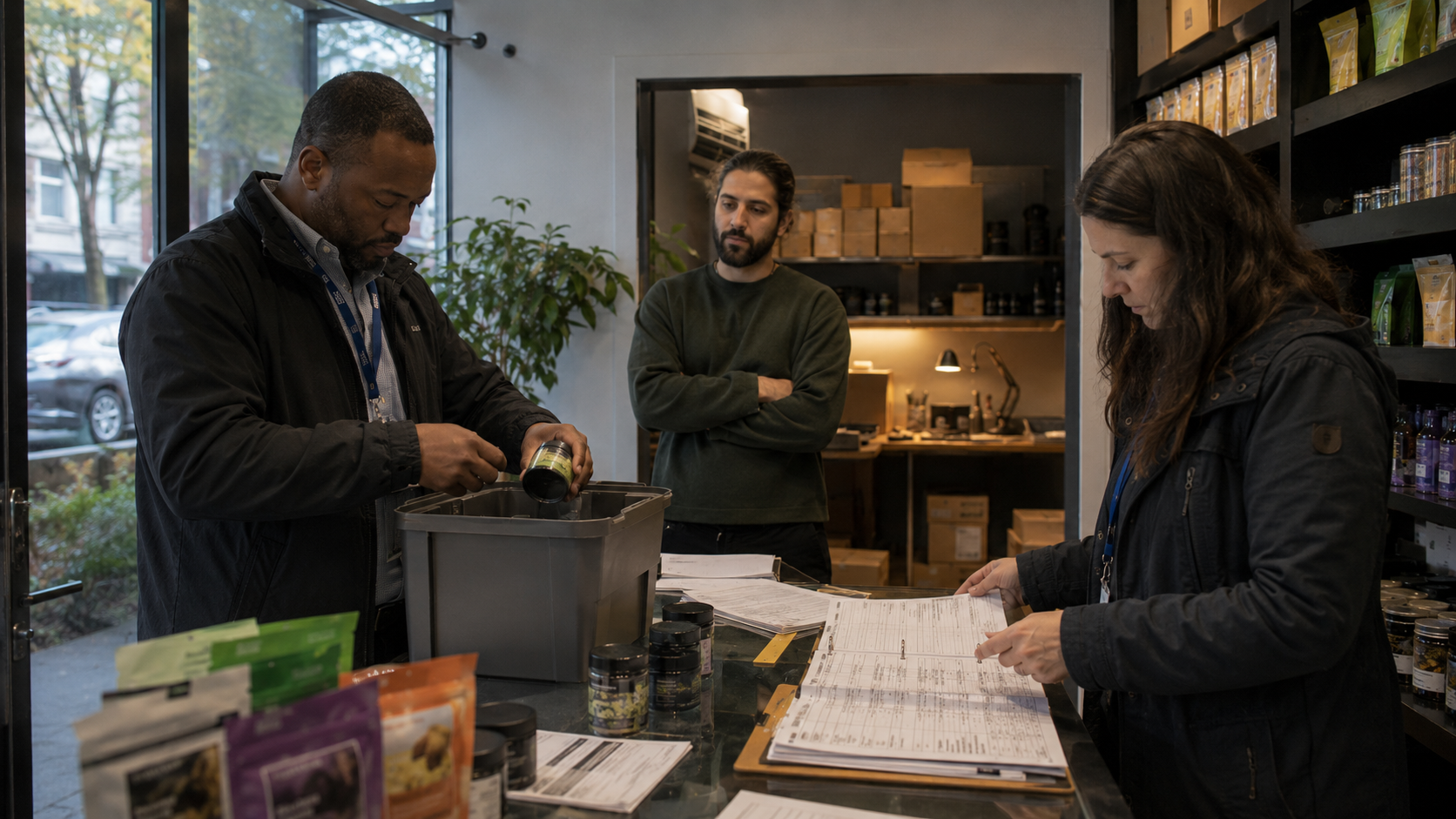
Inspectors reviewing records and products at a New York hemp retailer
New York regulators may be getting their enforcement momentum back. Ganjapreneur reports that a state appeals court overturned a preliminary injunction that had paused raids on unlicensed cannabis shops and licensed hemp retailers. The court found that state regulators had properly defined inspection rules, including limits such as conducting searches during business hours, and that penalties for noncooperation were administrative rather than criminal. For operators, hemp retailers, landlords, lenders, compliance teams, and attorneys, this is a major signal that New York intends to keep using inspections and enforcement as tools to protect the licensed market.
Quick facts
• A New York appeals court overturned a preliminary injunction that had paused hemp shop raids
• The injunction had previously limited enforcement activity against licensed hemp retailers and unlicensed cannabis shops
• The court found that the cannabis law and related regulations adequately define how inspections are conducted
• The ruling highlighted limits such as inspections during business hours
• The court said penalties for failure to cooperate were administrative, not criminal
• The court also said an otherwise lawful administrative search does not become unconstitutional just because police participate
• The ruling criticized the retailers for not pursuing available administrative remedies before filing suit
• The universal operator lesson is simple: in tightly regulated cannabis markets, enforcement risk is often as important as licensing itself
If New York enforcement pressure is affecting your growth plan, complete our quick Cannashield intake form so you can map licensing, product, property, and insurance exposure before state inspections create a bigger business problem.
Why this ruling matters
This ruling matters because it gives New York regulators stronger footing to resume a more aggressive enforcement approach. The earlier injunction had slowed that effort by limiting how the Office of Cannabis Management and related agencies could carry out raids and inspections. With the injunction reversed, the state may once again have more room to inspect retailers, seize products, and pursue administrative action where it believes the law is being violated.
That matters well beyond the hemp category. New York has spent years trying to stabilize its licensed cannabis market while also confronting unlicensed sellers and a confusing line between legal hemp products and products regulators believe fall outside the rules. This decision signals that courts may be more willing to let regulators use their inspection authority, even where operators argue those inspections feel intrusive.
Why inspection rules are now the pressure point
The legal issue was not only whether the state could inspect businesses. It was whether the state had defined those inspections clearly enough to satisfy constitutional standards. According to the reporting, the appeals court said the rules did provide enough structure. The court pointed to business hour inspections and the ability to impose administrative penalties for refusing to cooperate.
That means operators should pay close attention to the fine print of inspection authority. In a regulated industry, businesses are often expected to consent to certain inspections as a condition of holding a license or participating in the market. The more clearly those rules are written, the harder it becomes to challenge enforcement on procedural grounds alone.
This is the universal operator lesson. A cannabis license or hemp registration does not only create market access. It also creates inspection exposure.
If uncertainty around inspections, product records, or enforcement procedure is affecting how you plan, complete our Cannashield questionnaire to pressure test your exposure before an administrative action puts your business on defense.
Why hemp retailers should pay close attention
Licensed hemp retailers may be the group feeling the most immediate pressure from this ruling. Many hemp shops have argued that the state changed the rules around intoxicating hemp products and then enforced those rules in a way that treated licensed hemp stores like illicit actors. The appeals ruling does not resolve every business complaint, but it does make clear that regulators still have broad room to inspect and enforce.
That means hemp operators need stronger product documentation, cleaner inventory records, clearer sourcing support, and a better grasp of which products regulators view as compliant or noncompliant. Businesses that are relying on ambiguity are likely to face more risk than businesses that can document exactly what they sell, why it is lawful, and how it fits within current rules.
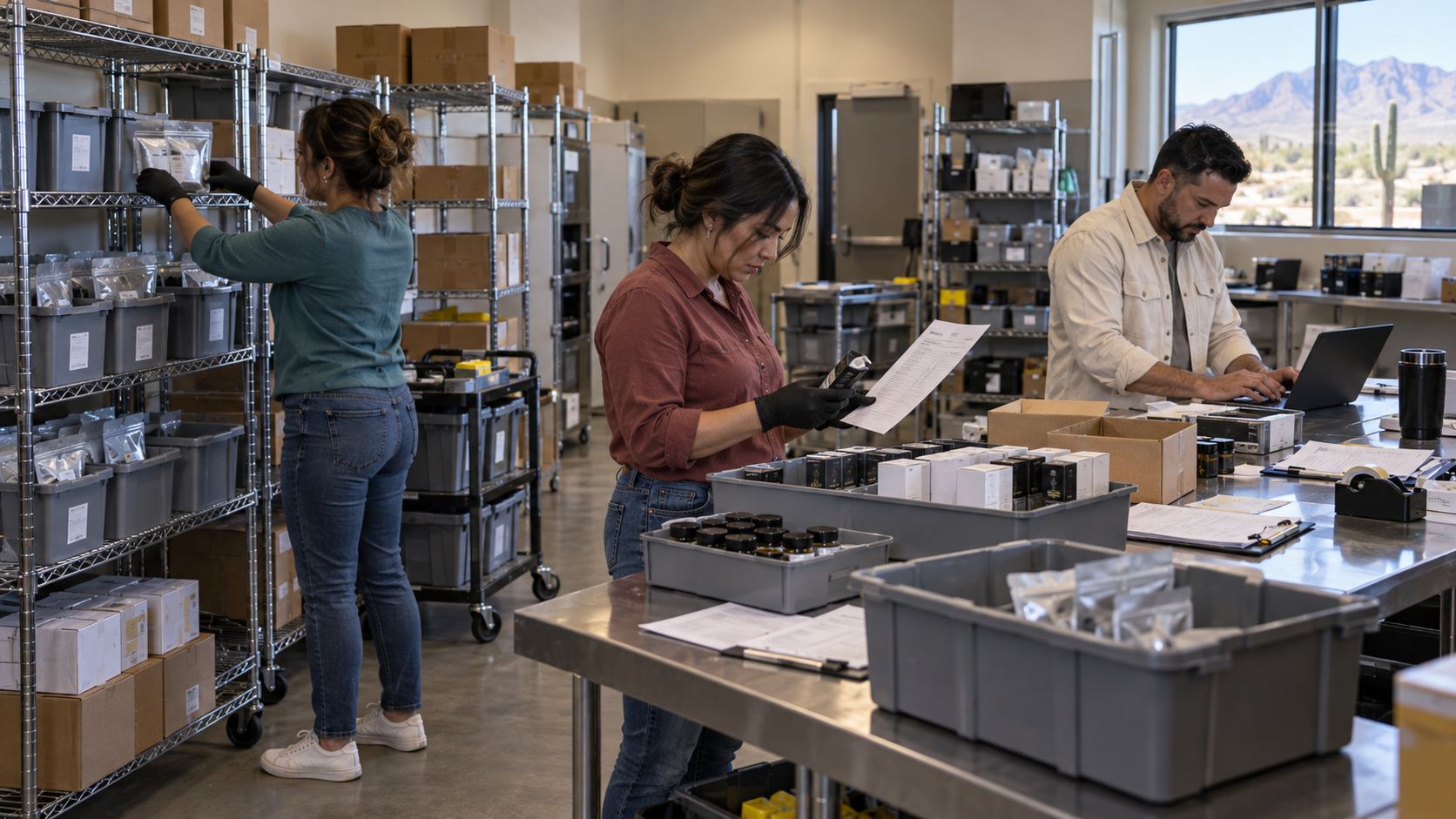
Compliance staff inspecting hemp products in a New York shop
Why landlords and lenders should not ignore this
This is also a landlord and lender story. A retail tenant that looks active and profitable can become a liability quickly if products are seized, licenses are questioned, or administrative penalties start piling up. Properties connected to retailers under enforcement scrutiny may face operational disruption, rent problems, and reputational risk.
Lenders should also be careful not to underwrite cannabis or hemp businesses based only on top line sales. Product mix, licensing status, inspection history, and regulatory posture matter. In a market like New York, enforcement is not a side issue. It is part of the operating environment.
If you need to organize licensing, lease, inventory, and insurance records before New York enforcement activity picks up again, use the Cannashield intake form to identify weak points and build a cleaner compliance file.
You might also like

Conclusion
The New York appeals court ruling is a major enforcement signal for the cannabis and hemp market. By overturning the injunction that had paused raids, the court has given regulators more space to conduct inspections and pursue administrative action against businesses they believe are violating state law.
For operators, hemp retailers, landlords, lenders, compliance teams, and attorneys, the message is simple. New York is still trying to protect its licensed market through active enforcement. Businesses that depend on unclear rules or weak documentation may now face more pressure than they expected.
Educational note: This article is for education only and is not legal, regulatory, tax, financial, or insurance advice.
What To Do This Week
• Review whether your product mix fits current New York hemp and cannabis rules
• Confirm that inventory records, product labels, and sourcing files are organized and current
• Review inspection procedures with staff so they understand how to respond during a regulatory visit
• Check whether any prior notices, penalties, or unresolved administrative issues remain open
• Review leases and financing documents for default language tied to enforcement or licensing problems
• Build a short internal memo on New York inspection risk, product exposure, and compliance readiness
FAQ
What did the New York court decide?
The appeals court overturned a preliminary injunction that had paused raids and inspections targeting unlicensed cannabis shops and licensed hemp retailers.
Why does this matter to operators?
It gives regulators stronger legal footing to resume inspections, seizures, and other administrative enforcement activity.
Did the court say inspections can happen without limits?
No. The court pointed to limits in the regulatory framework, including inspections during business hours and administrative penalties for refusal to cooperate.
Does police involvement automatically make an inspection unconstitutional?
According to the ruling, an otherwise lawful administrative search does not become unconstitutional simply because police participate.
Why are hemp retailers especially exposed?
Because they are often operating near the line of what regulators consider lawful hemp products versus restricted cannabis products.
What is the biggest operator takeaway?
Enforcement readiness now matters just as much as licensing status, especially in markets where product rules remain tightly contested.
SOURCES
Ganjapreneur, New York Court Overturns Injunction That Stopped Hemp Shop Raids
https://ganjapreneur.com/new-york-court-overturns-injunction-that-stopped-hemp-shop-raids/
New York State Office of Cannabis Management, Cannabinoid Hemp Program
https://cannabis.ny.gov/hemp
New York State Office of Cannabis Management, Enforcement and Compliance
https://cannabis.ny.gov/enforcement-and-compliance

The bipartisan CLAIM Act would protect insurers, brokers, and agents from federal penalties solely for serving state legal cannabis businesses. The proposal could encourage greater carrier participation while leaving underwriting decisions, state regulation, pricing, exclusions, and coverage terms in the hands of insurers.