
Oklahoma Cannabis Testing Problems Keep Pressure On Market Integrity
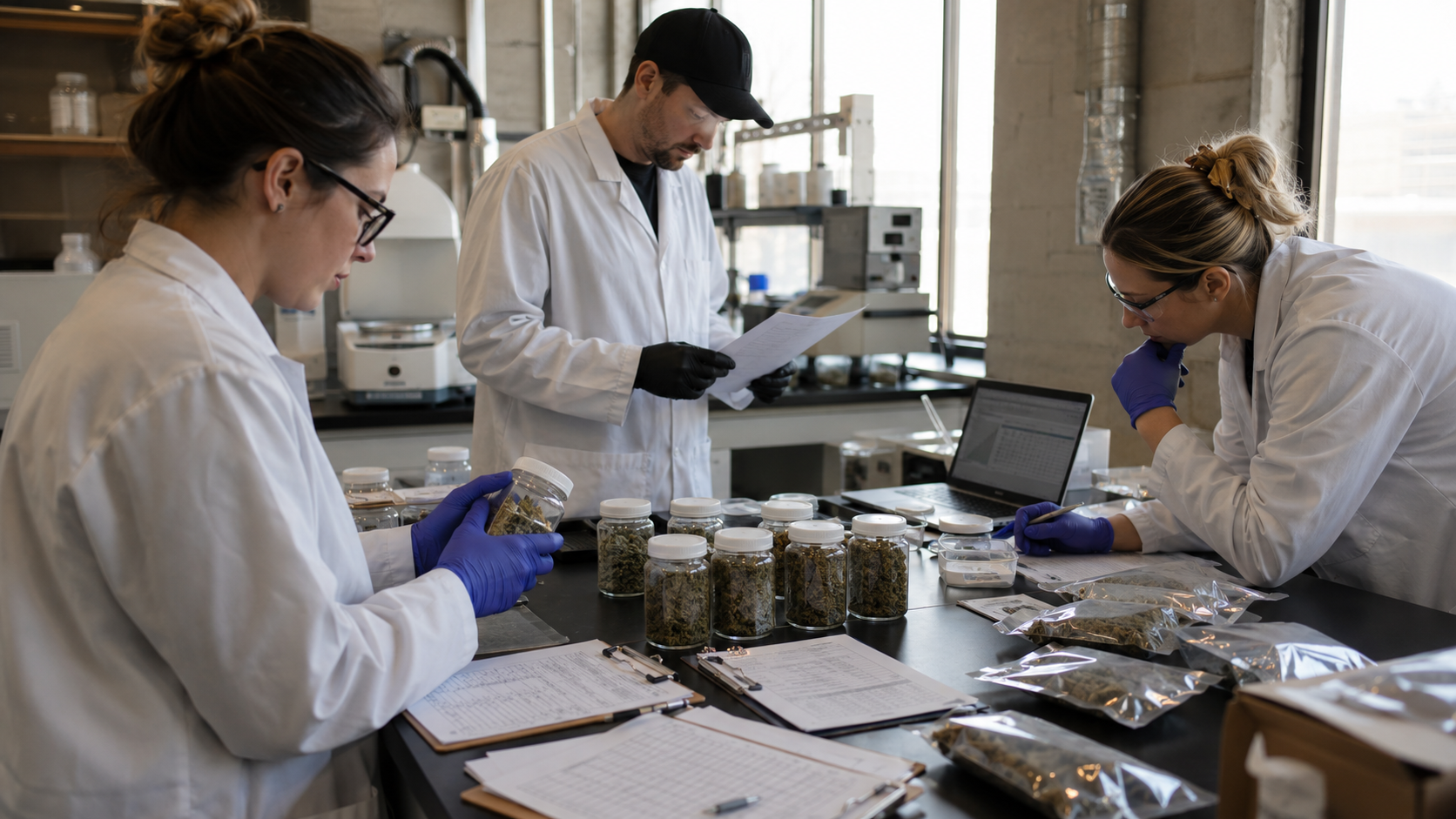
Lab staff verifying cannabis potency results in Oklahoma
Oklahoma’s cannabis testing problems are still putting pressure on product value, patient safety, and market trust. MJBizDaily reports that Oklahoma’s roughly $600 million medical cannabis market continues to deal with THC potency inflation, unsafe product concerns, and lab shopping while the state’s long delayed reference lab remains unfinished. The state spent nearly $5 million over three years to develop the lab, but OMMA has not fully launched all intended testing functions. For operators, cultivators, manufacturers, retailers, investors, and compliance teams, this is a serious reminder that weak lab oversight can distort product value and punish compliant businesses.
Quick facts
• Oklahoma’s medical cannabis market is worth roughly $600 million
• THC potency inflation and lab shopping remain major concerns
• MJBizDaily reports Oklahoma spent nearly $5 million over three years developing a state run reference lab
• OMMA’s Quality Assurance Laboratory is designed to strengthen oversight, transparency, and patient safety
• OMMA says the lab can test for cannabinoids, pesticides, residual solvents, heavy metals, microbials, mycotoxins, terpenes, water activity, moisture, filth, and foreign material
• As of OMMA’s June 2026 update, the lab had accreditation for pesticides in flower and potency in flower, oil, and concentrates
• Several other methods, including heavy metals, microbials, mycotoxins, and residual solvents, were still projected for completion later in 2026
• The universal operator lesson is simple: testing integrity controls price, recalls, patient trust, and who gets rewarded in the market
If Oklahoma testing risk is affecting your operation, complete our quick Cannashield intake form so you can map product, lab, recall, compliance, and insurance exposure before a testing issue becomes a larger business problem.
Why potency inflation matters
THC potency is not just a label number. In many cannabis markets, potency affects price, shelf placement, consumer demand, brand perception, and wholesale negotiations. When potency results are inflated, the market stops rewarding the best product and starts rewarding the best paperwork.
That creates a bad incentive. Cultivators and manufacturers that pay for accurate testing may appear weaker next to competitors using labs that report higher numbers. Retailers may stock inflated products because customers chase THC percentages. Patients may buy products based on inaccurate expectations. Investors may overestimate product value. Regulators may struggle to separate real quality from manipulated data.
This is the universal operator lesson. Bad testing does not stay inside the lab. It moves through pricing, sales, inventory, recalls, and reputation.
Why lab shopping hurts compliant businesses
Lab shopping happens when operators search for laboratories that produce more favorable results. That may mean higher THC results, cleaner contaminant results, or fewer failed batches. When enough businesses do this, honest labs lose clients, compliant operators lose margin, and unsafe product can reach patients.
This is especially dangerous in a medical cannabis market. Patients are not only buying for lifestyle preference. Some are using products for serious health needs. If microbial contamination, mold, yeast, pesticides, heavy metals, or residual solvents are missed or underreported, the consequences are not theoretical.
Oklahoma has already seen recall pressure tied to testing concerns. OMMA issued a mandatory recall in March 2026 for products tested by Greenleaf Labs LLC after unresolved product safety concerns and previous testing accuracy issues. That kind of recall shows how lab oversight can become a product safety and public trust issue.
Why the reference lab matters
Oklahoma’s Quality Assurance Laboratory is meant to help solve this problem by adding independent testing capacity inside the regulatory system. OMMA says the lab will support round robin testing, parallel testing, and proficiency testing. Those tools matter because they can identify outlier labs, compare reported values, and help regulators detect improper practices, reporting errors, and product safety risks.
The problem is timing. MJBizDaily reports the lab remains unfinished, while OMMA’s own June 2026 update shows progress but not full completion. Instrumentation has been installed, but several testing methods still had projected completion dates later in the year. That means the market is still operating through a transition period where the oversight system has improved, but is not fully built out.
For operators, that means waiting for the state lab is not a compliance plan. Businesses still need their own controls now.
What operators should do differently
Operators should stop treating lab results as a simple pass or fail document. Certificates of analysis should be reviewed, compared, and stored carefully. Any unusual potency jump, unexpected clean result, inconsistent terpene profile, or repeated testing pattern should trigger internal review.
Retailers should also pay attention. A dispensary that carries products with inflated potency or weak documentation can face customer complaints, recall work, and reputation damage. Manufacturers should review source material testing, batch records, and finished product testing. Cultivators should compare lab outcomes over time to identify patterns that do not make sense.
If you need to organize lab records, product files, recall procedures, and insurance materials before Oklahoma oversight tightens further, use the Cannashield intake form to identify weak points and build a cleaner product compliance file.
Conclusion
Oklahoma’s THC potency inflation and lab shopping problems show why testing integrity is central to market integrity. A regulated market cannot function properly if labels are unreliable, labs compete on favorable results, and compliant operators are undercut by businesses using weak testing practices.
For operators, cultivators, manufacturers, retailers, investors, and compliance teams, the message is simple. Testing is not a back office issue. It affects product value, patient safety, recalls, enforcement, insurance, and long term trust in the legal market.
Educational note: This article is for education only and is not legal, regulatory, tax, financial, product safety, laboratory, medical, or insurance advice.
What to do this week
• Review lab results for unusual potency spikes, repeated patterns, or inconsistent batch outcomes
• Compare certificates of analysis against product labels, Metrc records, and internal batch files
• Confirm every product has clean documentation before retail release or wholesale transfer
• Review recall procedures and assign clear responsibility for patient, retailer, and regulator communication
• Reevaluate lab relationships based on accuracy, accreditation, consistency, and responsiveness
• Build a short internal memo on potency inflation risk, lab shopping exposure, and testing integrity controls
FAQ
What is THC potency inflation?
THC potency inflation happens when reported THC levels are higher than the product’s true potency, which can distort pricing and consumer expectations.
What is lab shopping?
Lab shopping is when operators seek out testing labs that produce more favorable results, such as higher potency numbers or fewer failed tests.
Why does this matter in Oklahoma?
Oklahoma’s medical cannabis market is large, competitive, and still dealing with testing integrity concerns, which can affect product value and patient safety.
What is OMMA’s Quality Assurance Laboratory?
It is a state run lab designed to strengthen testing oversight, improve transparency, support patient safety, and help detect reporting errors or improper testing practices.
Is the Oklahoma reference lab fully finished?
MJBizDaily reports the lab has not fully launched, while OMMA’s June 2026 update shows some accredited testing capabilities but other methods still pending completion.
What is the biggest operator takeaway?
Operators need stronger lab review, product documentation, recall readiness, and testing controls because bad lab data can create pricing, compliance, safety, and insurance risk.
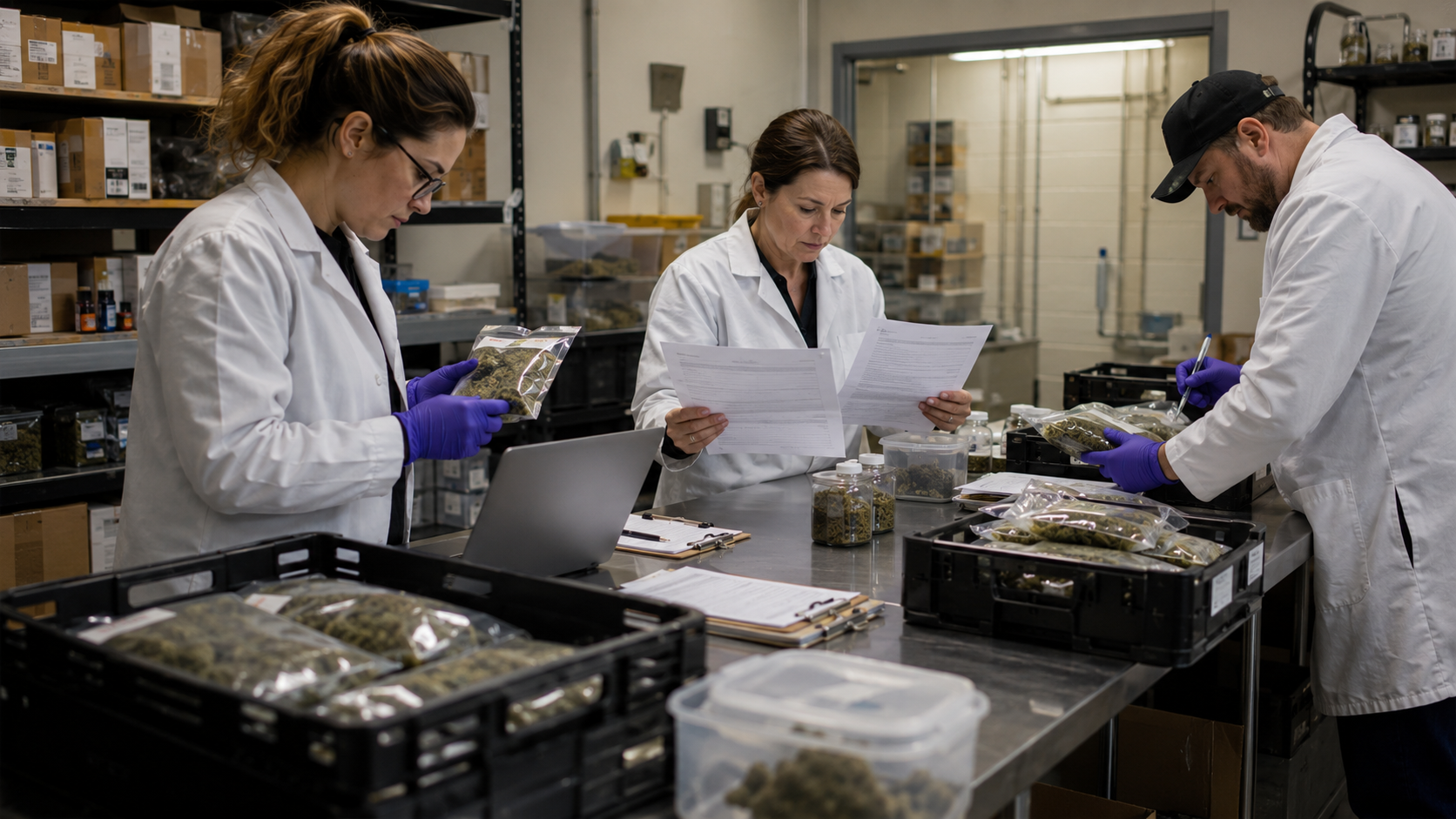
Cannabis lab staff reviewing THC potency testing in Oklahoma
You might also like


SOURCES
MJBizDaily, THC potency inflation and lab shopping continue in Oklahoma cannabis
https://mjbizdaily.com/news/thc-potency-inflation-lab-shopping-continuing-in-oklahoma-cannabis/617023/
Oklahoma Medical Marijuana Authority, Quality Assurance Laboratory
https://oklahoma.gov/omma/quality-assurance-laboratory.html
Oklahoma Medical Marijuana Authority, Mandatory Recall Issued for Products tested by Greenleaf Labs LLC
https://oklahoma.gov/omma/about/news/2026/mandatory-recall-issued-for-products-tested-by-greenleaf-labs-llc.html

Trulieve and Cronos have each gained roughly 27 percent in 2026 while reporting stronger operating results. The broader signal is that public market attention is increasingly rewarding cash generation, improving margins, liquidity, and measurable revenue growth.