
Sacramento Cannabis Lounges Open New Retail Path
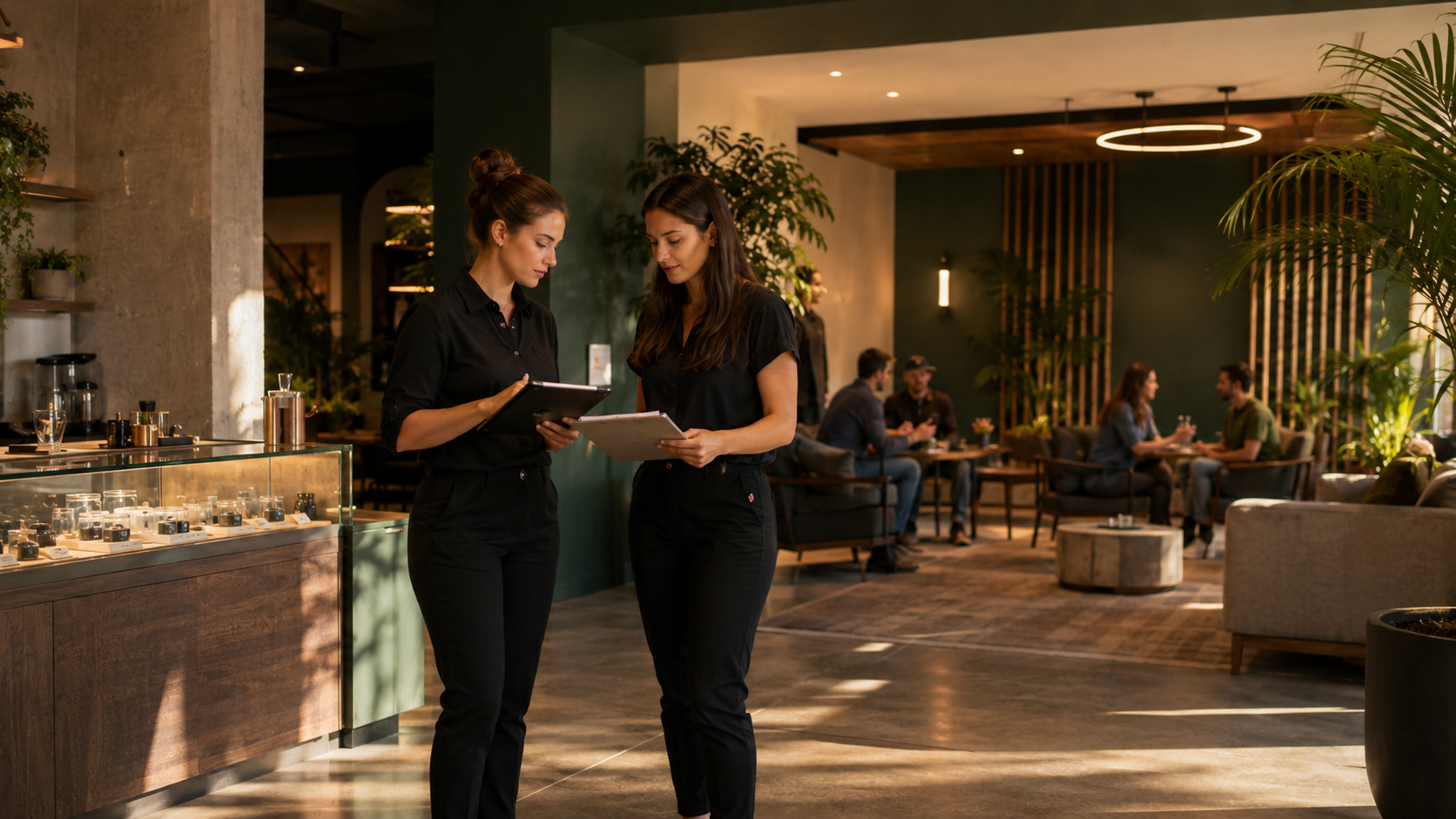
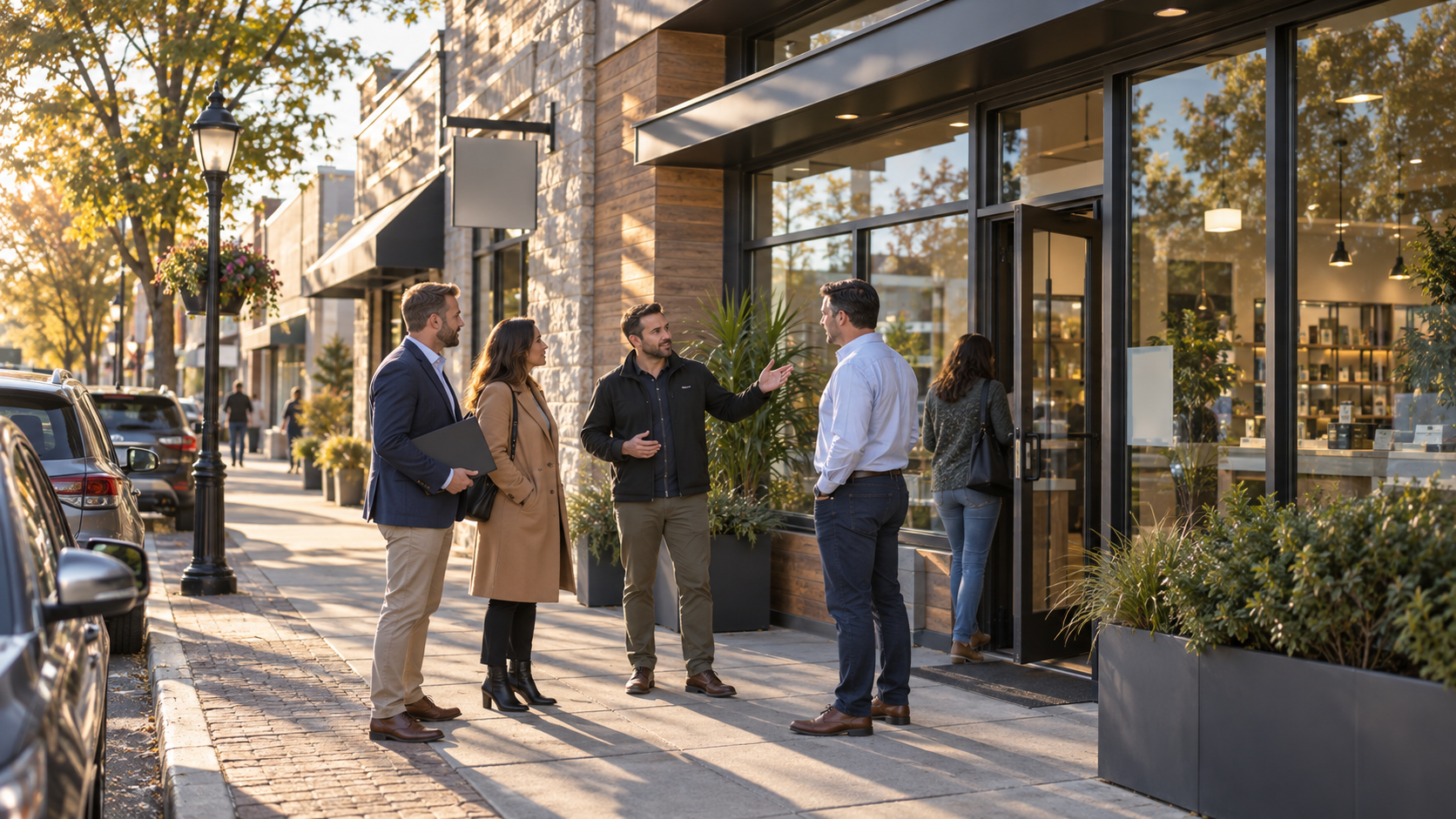
Cannabis lounge staff coordinating on site consumption in Sacramento
Sacramento is opening the door for licensed cannabis retailers to build more experience based retail models. MJBizDaily reports that the Sacramento City Council approved a five year cannabis consumption lounge pilot program, allowing licensed retailers to add on site consumption. The program comes at a time when national progress remains uneven. Sacramento is moving forward, while Massachusetts operators are still waiting on local opt in rules, zoning changes, application materials, and final implementation steps after years of discussion around social consumption.
Quick facts
• Sacramento approved a five year cannabis consumption lounge pilot program
• The pilot allows on site consumption at licensed cannabis retailers
• Applications are expected to open next month
• The program creates two lounge permit types
• Type 1 lounges cover nonsmoking products such as edibles and infused beverages
• Type 1 permit fees are $7,238
• Type 2 lounges allow all consumption, including smoking and vaping in specially ventilated spaces
• Type 2 permit fees are $9,651
• Massachusetts approved social consumption regulations in December 2025, but implementation remains slow
• The universal operator lesson is simple: social consumption can create new retail value, but only when local rules, site controls, ventilation, and permitting actually work
If consumption lounge planning is affecting your growth plan, complete our quick Cannashield intake form so you can map licensing, property, operations, and insurance exposure before a lounge permit turns into a larger buildout commitment.
Why Sacramento’s pilot matters
Sacramento’s pilot matters because it gives licensed retailers a new way to compete beyond simple product sales. Traditional dispensary retail is often limited by price competition, menu overlap, taxes, and customer churn. Lounges can create a different business model around experience, education, consumption space, infused beverage service, nonsmoking options, and hospitality style customer engagement.
That matters in California because the legal market has been under pressure for years. Licensed retailers compete against illicit sellers, high taxes, price compression, and local restrictions. If lounges help retailers create longer visits, better customer loyalty, and more legal consumption options, they could become a meaningful survival tool for some operators.
But a lounge is not just an add on. It is an operating model with new costs, new compliance duties, and new property needs.
Why the two permit types matter
The two permit types create different risk profiles. Type 1 lounges focus on nonsmoking products such as edibles and infused beverages. That may be easier for some properties because it avoids the full ventilation burden tied to smoking and vaping. It may also fit operators that want a calmer, more beverage or education focused experience.
Type 2 lounges allow all consumption, including smoking and vaping in specially ventilated spaces. That creates a broader consumer offering, but it also brings more operational pressure. Ventilation, odor control, employee safety, building systems, fire and life safety, insurance, and landlord approval become major issues.
This is the universal operator lesson. A lounge permit is not only a sales opportunity. It is a property, safety, and insurance decision.
If uncertainty around lounge type, ventilation, landlord approval, or insurance is affecting how you plan, complete our Cannashield questionnaire to pressure test your exposure before buildout costs become hard to reverse.
Why landlords and lenders should pay attention
Consumption lounges change the property risk conversation. A standard retail dispensary already raises questions around security, cash handling, inventory, permits, and local compliance. A consumption lounge adds customer dwell time, on site use, ventilation, odor, nuisance complaints, staffing, and potential neighbor concerns.
Landlords need to know whether the lease allows on site consumption, whether building systems can handle the use, whether neighboring tenants may object, and whether insurance policies can accommodate the exposure. Lenders should also review whether projected revenue from lounge activity justifies buildout costs and permit fees.
A lounge can improve retail value, but only if the real estate and financing structure can support it.
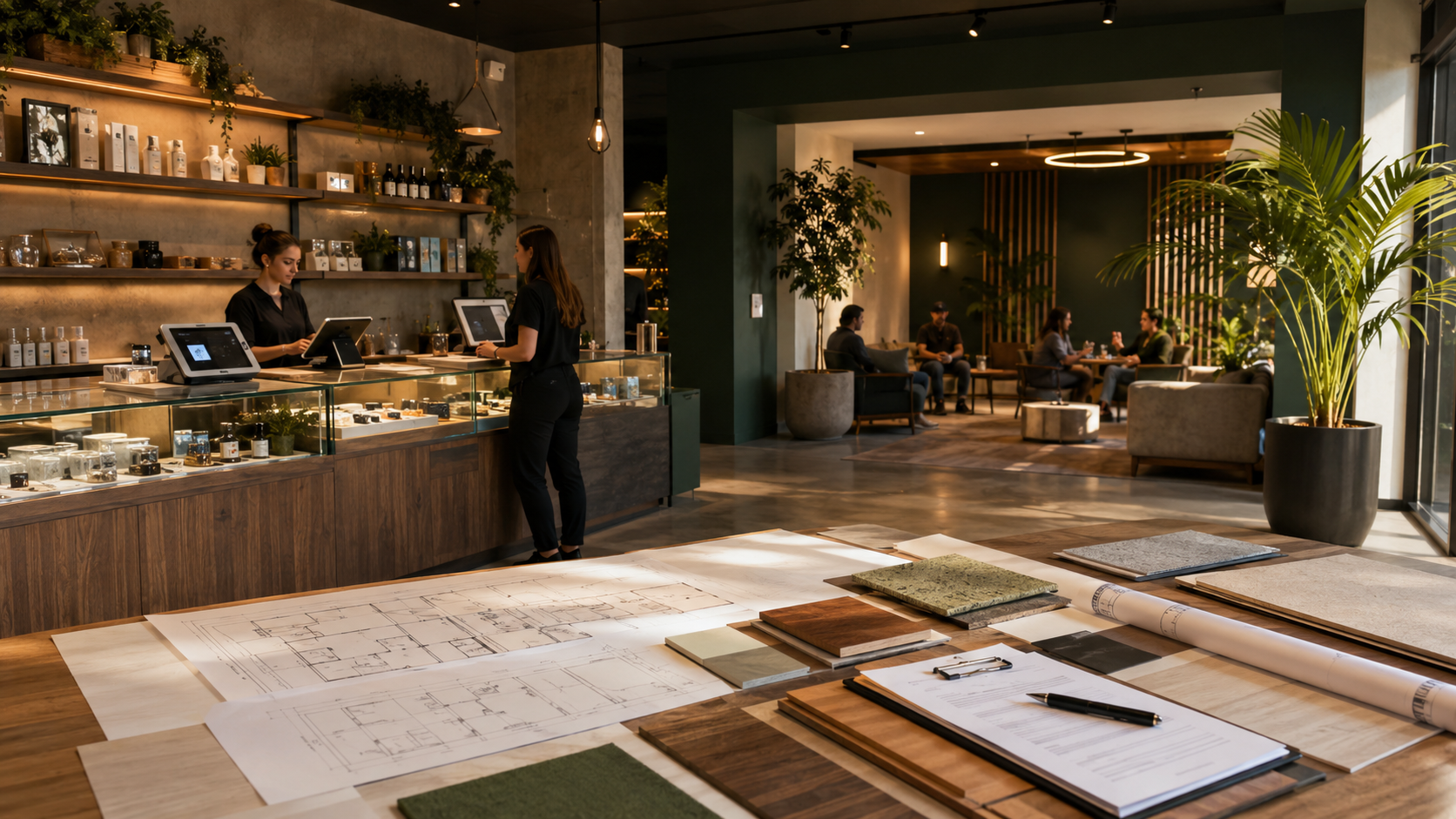
Cannabis consumption lounge design and licensing plans in Sacramento
Why national progress remains uneven
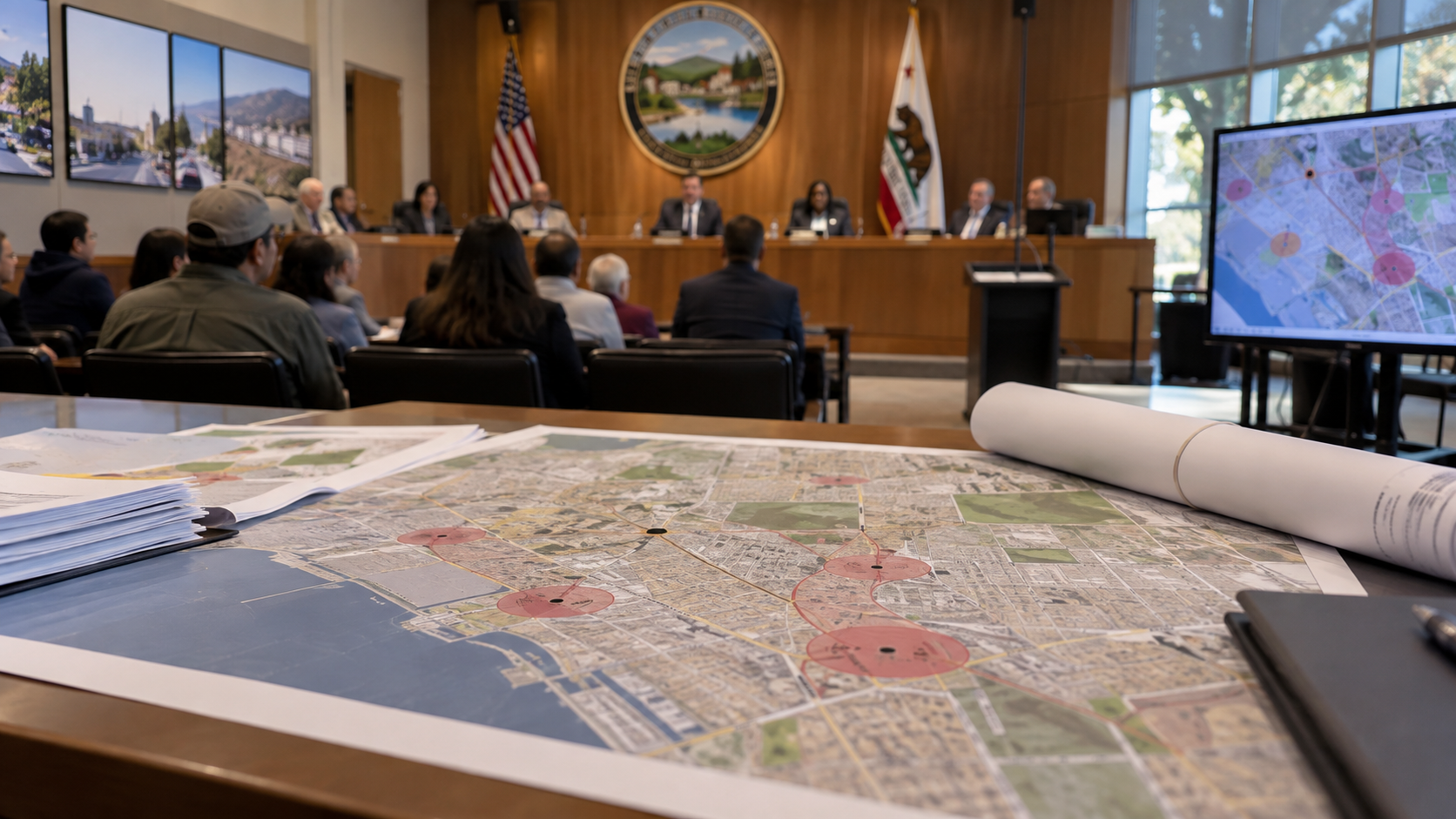
Massachusetts shows the other side of the story. The state Cannabis Control Commission approved final social consumption regulations in December 2025, but six months later implementation was still moving through internal working groups, municipal opt in planning, licensing process design, zoning changes, training requirements, and public education.
That is the key national lesson. Social consumption may be popular in theory, but local approval can slow everything. Cities and towns often need to opt in, update zoning, negotiate host community agreements, and create local permitting rules before operators can apply. Businesses that rent space or start renovations too early can carry months or years of cost before opening.
If you need to organize licensing, lease, buildout, and insurance records before pursuing a consumption lounge, use the Cannashield intake form to identify weak points and build a clearer launch file.
You might also like
Conclusion
Sacramento’s cannabis consumption lounge pilot is a meaningful step for California retail operators looking for new ways to create value. The program gives retailers a path to on site consumption, including nonsmoking lounges and fully ventilated smoking and vaping spaces.
For operators, retailers, investors, landlords, and compliance teams, the message is simple. Lounges can create a more experience based cannabis market, but they are not easy money. The businesses best positioned will be the ones that understand permits, buildout costs, ventilation, lease language, insurance, staffing, and local approval before they commit.
Educational note: This article is for education only and is not legal, regulatory, tax, financial, real estate, construction, employment, or insurance advice.
What To Do This Week
• Review whether your retail license and local approvals can support on site consumption
• Compare Type 1 and Type 2 lounge models against your property, budget, and customer base
• Check lease language for consumption, smoking, ventilation, odor, nuisance, and use restrictions
• Review insurance coverage for on site consumption, customer injury, employee exposure, and property changes
• Model permit fees, buildout costs, staffing, security, cleaning, and compliance obligations
• Build a short internal memo on lounge revenue potential, property risk, and local approval timing
FAQ
What did Sacramento approve?
Sacramento approved a five year cannabis consumption lounge pilot program for licensed cannabis retailers.
When are applications expected to open?
Applications are expected to open next month, according to MJBizDaily.
What is a Type 1 lounge?
A Type 1 lounge covers nonsmoking cannabis products such as edibles and infused beverages.
What is a Type 2 lounge?
A Type 2 lounge allows all cannabis consumption, including smoking and vaping in specially ventilated spaces.
Why is Massachusetts part of the story?
Massachusetts approved social consumption regulations in December 2025, but implementation remains slow because municipalities still need to opt in, update zoning, and complete local approval steps.
What is the biggest operator takeaway?
Consumption lounges can create new retail value, but operators need to plan around permitting, property use, ventilation, insurance, staffing, and local approvals.
SOURCES
MJBizDaily, California city legalizes cannabis consumption lounges, but national progress uneven
https://mjbizdaily.com/news/california-city-legalizes-cannabis-consumption-lounges-but-national-progress-uneven/616618/
MJBizDaily, Cannabis consumption lounges coming to California capital
https://mjbizdaily.com/news/cannabis-consumption-lounges-coming-to-california-capital/407006/
Massachusetts Cannabis Control Commission, Massachusetts Cannabis Control Commission Continues to Make Progress Towards Implementation of Social Consumption Regulations
https://masscannabiscontrol.com/2026/06/massachusetts-cannabis-control-commission-continues-to-make-progress-towards-implementation-of-social-consumption-regulations/

Trulieve and Cronos have each gained roughly 27 percent in 2026 while reporting stronger operating results. The broader signal is that public market attention is increasingly rewarding cash generation, improving margins, liquidity, and measurable revenue growth.