
South Dakota Medical Cannabis Home Cultivation Surges
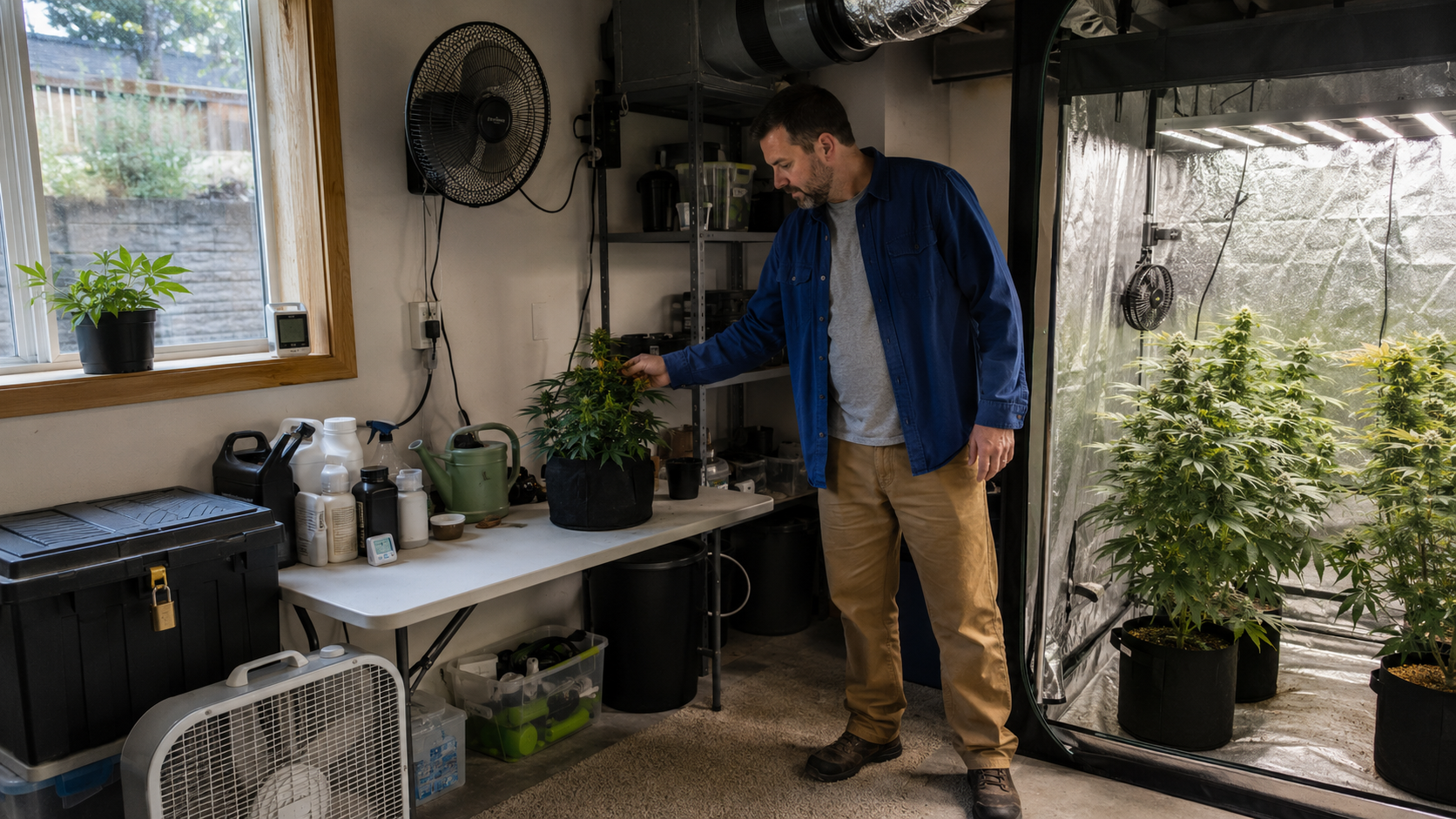
Indoor homegrow setup for South Dakota medical cannabis patient
South Dakota medical cannabis home cultivation is rising sharply as more registered patients choose to produce their own supply. State program administrator Whitney Brunner told lawmakers that the number of patients authorized for home cultivation increased from 61 in fiscal year 2022 to 715 in fiscal year 2026, an increase of 1,072 percent. The trend comes as the overall medical program continues to grow and raises important questions about affordability, patient access, dispensary demand, cultivation oversight, and how South Dakota regulates cannabis produced outside licensed commercial facilities.
Quick facts
• South Dakota had 715 medical cannabis patients authorized for home cultivation in fiscal year 2026
• That compares with only 61 authorized home cultivators in fiscal year 2022
• The increase equals approximately 1,072 percent over four years
• South Dakota law allows authorized cardholders to cultivate up to two flowering cannabis plants and two plants that are not flowering
• Patients can add home cultivation authorization to their medical cannabis card for an additional $20
• Applicants must provide information about the cultivation location, including photographs and a diagram
• Cannabis grown for a patient must be kept in an enclosed and locked cultivation area
• South Dakota reported 19,530 medical cannabis patients in July 2026
• The Department of Health says more than 70 percent of cardholders report severe debilitating pain as a reason for medical cannabis use
• State officials are discussing whether stronger oversight of home cultivation may be needed
• Adult use cannabis remains prohibited in South Dakota
• The universal operator lesson is simple: when patients seek alternatives to retail purchasing, operators should examine affordability, product availability, geography, and customer experience before assuming demand has disappeared
If changing patient access is affecting your South Dakota cannabis strategy, complete our quick Puro Risk intake form so you can map retail, cultivation, compliance, property, product, and insurance exposure as the medical market evolves.
Why home cultivation is growing
The increase in home cultivation does not have one confirmed explanation.
Affordability is one likely factor. Patients who use cannabis consistently may view cultivating their own plants as a way to reduce ongoing retail costs.
Access can matter too. South Dakota is geographically large, and not every patient lives near a licensed dispensary. Home cultivation can give authorized patients more control over availability when travel, product selection, or other access barriers make regular dispensary visits difficult.
Operators should avoid reading home cultivation growth simply as lost retail demand.
It can also be a market signal showing where the existing system is not meeting every patient's needs.
Why dispensaries should pay attention
A patient who chooses home cultivation may still participate in the regulated retail market.
Patients can value the consistency, testing, convenience, product formats, and professional support available through licensed dispensaries while also growing cannabis at home.
Retailers should understand which products remain attractive to these patients.
Manufactured products, concentrates, tinctures, capsules, and other formats may serve needs that patients cannot easily reproduce through a small home cultivation setup.
Why regulators are looking at oversight
The rapid increase is attracting attention from South Dakota officials.
Home cultivation applicants are required to submit information about where cannabis will be grown. Reporting from the legislative oversight meeting says applicants provide a photograph of the cultivation room, a photograph of the door lock, and a diagram of the growing area.
Brunner told lawmakers that some submitted diagrams lack detail and said the limited regulation surrounding home cultivation creates concerns for the department.
Any future regulatory changes could affect patients, caregivers, healthcare providers, and businesses serving the medical program.
Operators should monitor the discussion without assuming new restrictions have already been adopted.
Why affordability is an industry issue
Home cultivation can also serve as a useful measure of market pressure.
When patients increasingly choose to produce cannabis themselves, operators should ask what is driving that decision.
Price may be part of it. Distance may be part of it. Product availability, consistency, medical needs, or a desire for greater control may also contribute.
That information can help retailers and cultivators make better decisions around pricing, inventory, service, and location strategy.
Why patient access matters beyond South Dakota
The broader lesson applies to every medical cannabis market.
A regulated program has to balance patient affordability, commercial sustainability, product safety, access, and oversight.
Too little access can push patients toward alternatives. Excessive operating costs can make licensed products more expensive. Weak oversight can create regulatory pressure that eventually affects the entire market.
If patient affordability and access are becoming strategic issues for your operation, complete the Puro Risk intake form to identify compliance, property, inventory, insurance, and operational risks before market behavior forces larger changes.
Conclusion
South Dakota's increase from 61 authorized home cultivators to 715 in four years is a significant patient behavior signal.
It does not mean dispensaries are becoming irrelevant. It shows that a growing number of medical cannabis patients want another way to access their supply.
For operators, the best response is not to fight the signal. It is to understand it.
Businesses that monitor affordability, patient needs, product demand, geographic access, and regulatory change will be better positioned as South Dakota continues refining its medical cannabis program.
Educational note: This article is for education only and is not legal, regulatory, medical, healthcare, cultivation, financial, licensing, product safety, or insurance advice.
What to do this week
• Compare home cultivation growth with dispensary sales and patient enrollment trends
• Review pricing and product availability for patients who may be sensitive to cost
• Monitor South Dakota legislative discussions about additional cultivation oversight
• Confirm patient education materials accurately explain home cultivation limits
• Review product categories that may remain useful to patients who cultivate at home
• Track how patient geography affects retail access and purchasing behavior
FAQ
How many South Dakota patients are authorized to grow cannabis at home?
State officials reported 715 authorized home cultivators in fiscal year 2026.
How much has home cultivation grown?
The number increased from 61 in fiscal year 2022 to 715 in fiscal year 2026, an increase of approximately 1,072 percent.
How many plants can an authorized patient grow?
South Dakota law allows a cardholder with cultivation authorization to possess two flowering plants and two plants that are not flowering.
Does every medical cannabis patient automatically have cultivation rights?
No. Home cultivation requires authorization connected to the patient's medical cannabis registration.
Why might patients choose home cultivation?
Possible reasons include affordability, distance from dispensaries, product access, and greater control over personal supply. The increase does not establish one single cause.
What is the biggest operator takeaway?
Home cultivation growth is a patient access signal. Retailers and cultivators should understand whether price, geography, product availability, or customer needs are driving patients toward alternative supply options.
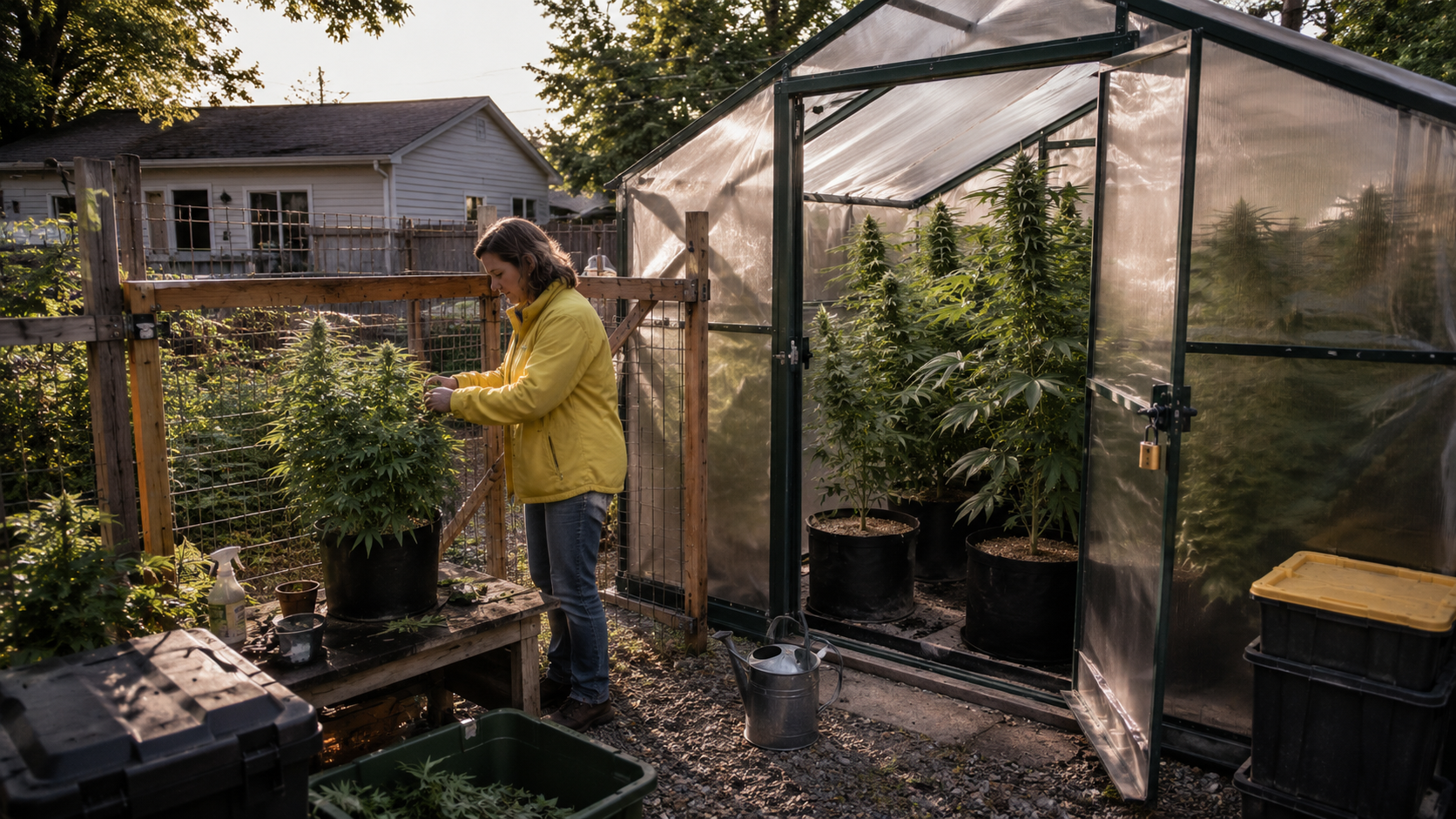
South Dakota patient tending cannabis plants at home
You might also like


SOURCES
Marijuana Moment, South Dakota Sees Surge In Patients Growing Medical Cannabis At Home, August 18, 2026
The report, based on South Dakota Searchlight coverage, details the increase from 61 home cultivators in fiscal year 2022 to 715 in fiscal year 2026 and reports the Department of Health's discussion with lawmakers.
South Dakota Department of Health, Medical Cannabis Program
https://doh.sd.gov/programs/medical-cannabis/
The Department of Health reports 19,530 patients in July 2026 and provides the official framework for patients, caregivers, practitioners, and regulated medical cannabis establishments.
South Dakota Legislature, Codified Law Chapter 34 20G, Medical Cannabis
https://sdlegislature.gov/Statutes/34-20G
South Dakota law establishes the medical cannabis program and states that a cardholder authorized for cultivation may possess two flowering cannabis plants and two cannabis plants that are not flowering.

Trulieve and Cronos have each gained roughly 27 percent in 2026 while reporting stronger operating results. The broader signal is that public market attention is increasingly rewarding cash generation, improving margins, liquidity, and measurable revenue growth.