
Maryland Cannabis Rules Add Product, Packaging And License Changes

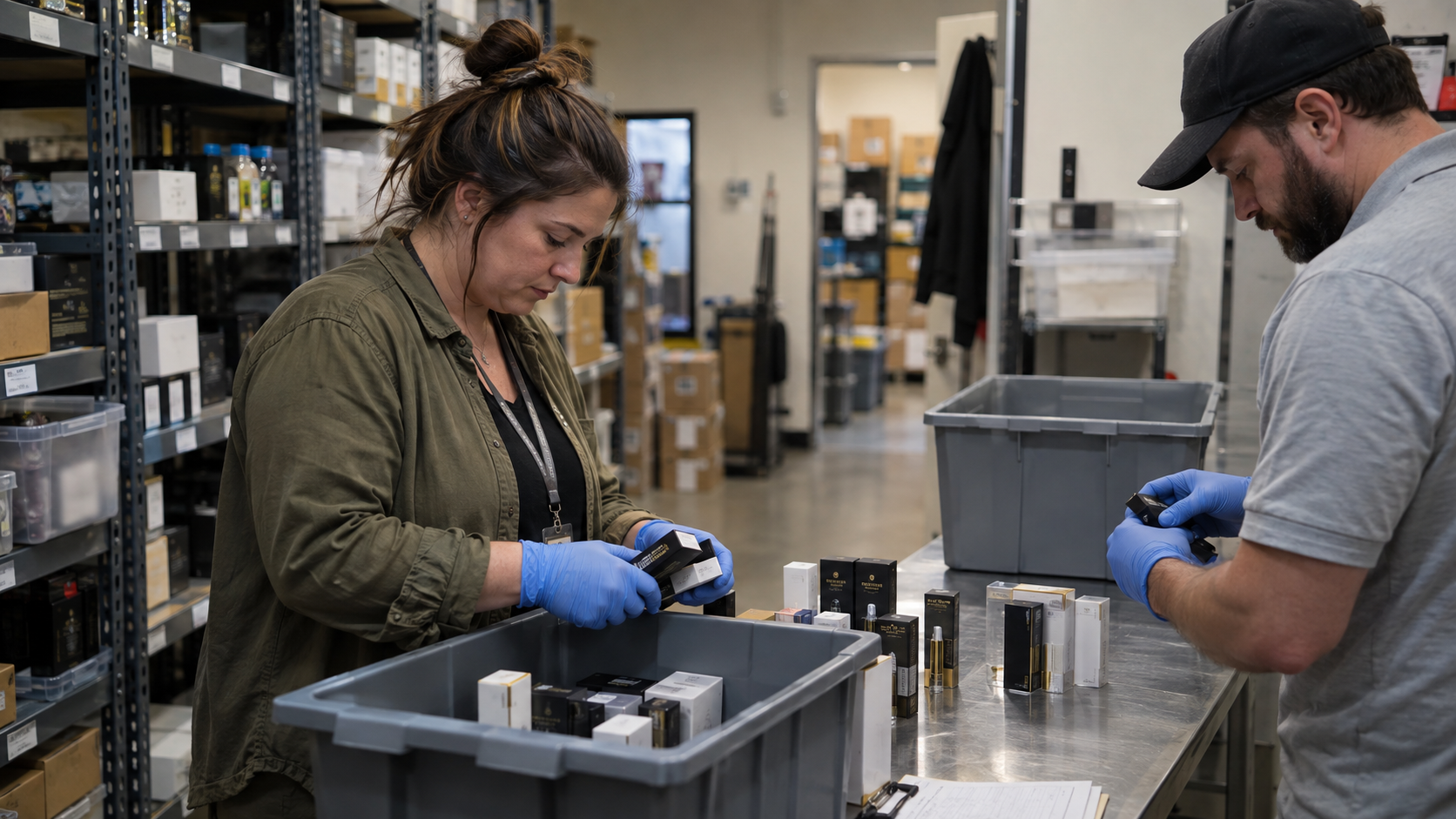
Maryland cannabis packaging and compliance review.
Maryland cannabis compliance changed on September 14, 2026, as a broad Maryland Cannabis Administration rules package took effect across licensing, cultivation, dispensary operations, products, packaging, and administrative procedures. The regulations create a new sublingual pouch category, allow qualifying conditional licensees to request additional time to become operational, strengthen grower corrective action requirements, and expand restrictions on packaging that may appeal to minors. Operators should review SOPs, labels, product portfolios, property timelines, and employee training now rather than treating the update as a paperwork exercise.
Quick facts
• The Maryland Cannabis Administration adopted the rules on August 13, 2026
• The regulations became effective September 14, 2026
• Seven areas of Maryland cannabis regulations were amended
• Maryland created a new sublingual pouch cannabis product category
• Sublingual pouches may generally contain up to 10 milligrams of THC per serving
• Packages may generally contain up to 100 milligrams of THC unless otherwise authorized
• Conditional licensees may request up to two extensions of no more than six months each
• Initial extension eligibility can be supported by active interest in or control of a suitable premises
• A second extension requires legal control or possession of a suitable premises
• Cannabis packaging no longer has to be plain, but it must remain opaque
• Maryland expanded restrictions involving youth appealing packaging and labeling
• Growers face more detailed corrective and preventive action requirements following repeated testing failures
• The universal operator lesson is simple: regulatory updates can affect products, property, licensing timelines, packaging, and daily operating procedures at the same time
If Maryland compliance changes affect your operation or licensing plan, complete our quick Puro Risk intake form so you can map product, property, operational, regulatory, and insurance exposure before an inspection or deadline identifies a gap.
Why the new product category matters
Maryland now formally recognizes sublingual pouches as a cannabis product category.
The regulations describe a pouch designed to dissolve in the mouth and allow cannabis concentrate to be absorbed through the mouth. The product can be sold to adults age 21 and older as well as qualifying patients and registered caregivers.
Unless the Administration provides specific authorization otherwise, a pouch cannot contain more than 10 milligrams of THC per serving or 100 milligrams per package.
Packaging also carries specific requirements. Consumers must be warned that the pouches are not intended to be heated, burned, or swallowed. Each pouch must carry Maryland's universal cannabis symbol or be individually wrapped with the symbol when direct marking is impractical.
For manufacturers, this creates a new product opportunity, but it also creates another regulated production and packaging workflow.
Why conditional license extensions matter
Maryland is also giving conditional licensees more flexibility when the pathway to becoming operational takes longer than expected.
The Administration may approve up to two extension requests, with each extension lasting no more than six months.
The evidentiary standard becomes stronger as time passes.
For an initial extension, a licensee can demonstrate active interest in a suitable property through documentation such as a letter of intent, an option to lease or purchase, or other evidence of permission to use the property for cannabis operations.
For a second extension, the licensee must demonstrate legal control or possession of the premises, such as through ownership or a fully executed lease.
If your conditional license depends on property, zoning, construction, or financing that is still unresolved, use the Puro Risk intake form to organize site control, lease obligations, project timelines, insurance, and licensing records before another deadline approaches.
Why growers need stronger corrective action procedures
The rules also formalize corrective and preventive action requirements for growers experiencing repeated testing failures.
When failure rates reach levels established by the Administration, growers can be required to investigate the root cause, decontaminate cultivation areas and equipment, submit findings to regulators, implement corrective measures, and update SOPs.
This makes testing failures an operational systems issue rather than an isolated laboratory problem.
Cultivators should be able to show not only that a failed batch was addressed but also what changed to reduce the chance of recurrence.
Why packaging teams need another review
Maryland removed the requirement that cannabis packaging be plain, but that does not mean packaging rules became relaxed.
Packages must remain opaque, and the state expanded restrictions involving features that may appeal to minors.
Problematic elements can include cartoons, animals, neon colors, mascots, celebrities, child oriented phrases, anthropomorphic imagery, unusual sensory features, and other design elements commonly associated with marketing to children.
The rules also prohibit medical or therapeutic claims and prevent graphics or marketing layers from obscuring mandatory warnings or required information.
If your Maryland product portfolio includes multiple labels or package designs, complete our quick Puro Risk intake form to identify packaging, product liability, inventory, vendor, and compliance issues before ordering another production run.
Conclusion
Maryland's September 14 rules package touches enough parts of cannabis operations that it should not be assigned only to the compliance department.
Manufacturers need to review products and packaging. Conditional licensees need to review property progress. Growers need stronger corrective action systems. Dispensaries need updated procedures. Management needs to understand how the changes affect timelines, capital, inventory, and operational risk.
The universal lesson is straightforward. Regulatory changes are easiest to manage when operators convert them into updated SOPs, responsible owners, deadlines, and documented controls before regulators test the system.
Educational note: This article is for education only and is not legal, regulatory, product safety, licensing, financial, investment, property, manufacturing, claims, or insurance advice.
What to do this week
• Review every Maryland SOP affected by the September 14 rules
• Audit labels and packaging for youth appealing imagery and medical claims
• Identify products that may require new approval or packaging procedures
• Review conditional license deadlines and property documentation
• Confirm growers have documented corrective and preventive action procedures
• Train affected employees and document completion of regulatory updates
FAQ
When did Maryland's new cannabis regulations take effect?
The package became effective September 14, 2026.
What is a cannabis sublingual pouch?
Maryland defines it as a permeable pouch containing concentrated cannabis product that is intended to dissolve in the mouth for buccal or sublingual absorption.
How much THC can a sublingual pouch contain?
Unless otherwise authorized, Maryland limits the product to 10 milligrams of THC per serving and 100 milligrams per package.
How many conditional license extensions can Maryland approve?
The Administration may approve up to two extensions, each lasting no more than six months, when applicable requirements are satisfied.
Did Maryland eliminate packaging restrictions?
No. Maryland removed the plain packaging requirement but retained opaque packaging and strengthened restrictions involving youth appeal, medical claims, and required warnings.
What is the biggest operator takeaway?
The rules affect multiple departments at once. Operators should update SOPs, products, packaging, property records, licensing timelines, and staff training rather than relying on a single compliance review.

Maryland cannabis labeling and licensing review.
You might also like

SOURCES
THC Group, Deadlines, Decoded: Cannabis And Hemp Effective Dates
THC Group identifies September 14 as the effective date and summarizes the product, licensing, packaging, and operational changes.
Maryland Register, Notice Of Final Action 26 078 F, September 4, 2026
Maryland Register final action
The official final action confirms that the Maryland Cannabis Administration adopted the package on August 13 and that it becomes effective September 14, 2026.
Maryland Register, Notice Of Proposed Action 26 078 P, June 26, 2026
Maryland Register regulatory text
The official regulatory text details the conditional license extension standards, grower corrective action requirements, sublingual pouch rules, and expanded packaging restrictions.

Maryland's September 14 cannabis rules update changes product categories, packaging standards, grower procedures, and conditional licensing timelines. Operators should review SOPs, labels, property documentation, training, and product approvals to stay aligned with the new requirements.