
Ohio Dispensary Closure Raises Cannabis Vape Safety Questions
Ohio dispensary vape inventory hold review.
An Ohio cannabis dispensary has voluntarily closed while state regulators investigate reports of serious adverse health effects involving vape products purchased at the store. Herbal Wellness Center in Jackson, operated by Vext Sciences, closed at the request of the Ohio Division of Cannabis Control after two customers reported medical events following vape use. Follow up testing on a sample from the same product lot found no harmful contaminants, but certain products remain on hold while the investigation continues. The situation shows how quickly a product safety concern can disrupt retail operations even before contamination or causation is established.
Quick facts
• Herbal Wellness Center in Jackson voluntarily closed at the request of the Ohio Division of Cannabis Control
• Two customers reported serious adverse health effects after using vape products purchased at the dispensary
• Vapen branded cartridge products were placed on a precautionary hold pending additional review
• A follow up sample from the same product lot was tested by an independent laboratory
• Ohio regulators said that testing did not detect harmful contaminants
• Some products remain blocked from sale or transfer while additional testing continues
• Regulators have not publicly disclosed the specific medical events or product details
• Vext Sciences says it is not aware of substantiated evidence showing that one of its products caused or contributed to the reported events
• The company's four other Ohio dispensaries remained open at the time of reporting
• Ohio rules require cannabis licensees to maintain written product alert and recall procedures
• Those procedures include complaint tracking, lot identification, inventory review, product quarantine, and consumer notification when required
• The universal operator lesson is simple: a safety investigation can create immediate business interruption and claims exposure before anyone proves that a product is defective
If a product safety event could interrupt your cannabis operation, complete our quick Puro Risk intake form so you can map product liability, inventory, recall, business interruption, compliance, and insurance exposure before a complaint becomes a larger incident.
Why the closure matters
The most important fact is that regulators have not established that contamination caused the reported medical events.
Ohio requested follow up laboratory testing from the same product lot associated with one affected customer. Regulators said the testing did not identify harmful contaminants.
That does not end the investigation.
A negative contamination test answers one question. It does not automatically determine why a consumer experienced an adverse health event or whether another product, device, manufacturing, storage, or individual factor played a role.
For operators, that distinction matters because precautionary action may be necessary before investigators know the final cause.
Why testing confidence matters
Cannabis vape products in Ohio are subject to laboratory testing before sale.
Processors and licensed laboratories must test regulated products for required categories that include potency and contaminants. Certificates of analysis are tied to specific batches or lots.
When a safety complaint occurs, those records become part of the response.
Operators should be able to identify the exact lot, laboratory results, locations that received the product, remaining inventory, and consumers who may have purchased affected units.
If your operation sells or manufactures vape products, use the Puro Risk intake form to organize COAs, lot records, supplier documentation, inventory tracking, and product liability information before an adverse event tests your traceability system.
Why product holds can disrupt the business
A regulator does not need to announce a full recall before an investigation affects operations.
Products can be placed on hold while additional testing takes place. That can interrupt sales, prevent transfers, create stranded inventory, and generate questions from customers and retail partners.
A temporary dispensary closure can add another layer of financial pressure through lost sales, employee costs, lease obligations, and reputational damage.
Operators should therefore understand how their business responds to a precautionary hold as well as a formal recall.
Why Ohio recall procedures matter
Ohio requires cannabis licensees to maintain written product alert and recall procedures.
Those procedures include identifying affected batches or lots, documenting complaints, reviewing inventory and sales, quarantining affected products, communicating with regulators, and notifying customers when appropriate.
The goal is speed and traceability.
A business should not be building its recall process for the first time after a serious consumer complaint arrives.
If your recall procedures have not been tested recently, complete the Puro Risk intake form to identify product, operational, communication, and insurance gaps before an actual event exposes them.
Conclusion
The Ohio investigation remains unresolved.
No harmful contaminants were detected in follow up testing, and regulators have not established that the vape products caused the reported medical events. Products nevertheless remain on hold and the Jackson dispensary voluntarily closed while the investigation continues.
That is the larger operator lesson.
Product safety risk begins before liability is proven. Strong operators need reliable testing, detailed lot tracking, adverse event procedures, recall readiness, accurate consumer communication, and insurance programs that reflect the products they actually manufacture or sell.
Educational note: This article is for education only and is not legal, regulatory, medical, product safety, laboratory, claims, financial, or insurance advice. Actual insurance coverage depends on specific policy language, endorsements, exclusions, facts, and insurer determination.
What to do this week
• Confirm every vape SKU can be traced to a specific batch or lot
• Review current certificates of analysis and testing records
• Test your product hold and quarantine procedure
• Confirm employees know how to escalate serious consumer complaints
• Review recall, product liability, and incident reporting procedures
• Document who communicates with regulators, customers, insurers, and vendors during a safety investigation
FAQ
Why did the Ohio dispensary close?
Herbal Wellness Center voluntarily closed at the request of the Ohio Division of Cannabis Control after two customers reported serious adverse health effects following use of vape products purchased there.
Did regulators find contaminated vape products?
Follow up testing on a sample from the same product lot did not detect harmful contaminants.
Has Ohio determined that the vape caused the health events?
No. Regulators have not publicly established that the product caused the reported medical events.
Are products still being held?
Yes. Some products remain on hold from sale or transfer while additional testing continues.
What does Ohio require during a product alert or recall?
Ohio rules require procedures involving complaint documentation, batch or lot identification, inventory review, quarantine, regulator communication, and customer notification when required.
What is the biggest operator takeaway?
A product safety investigation can interrupt operations before a defect or cause is established. Testing, traceability, complaint handling, recall procedures, and insurance should already be in place.
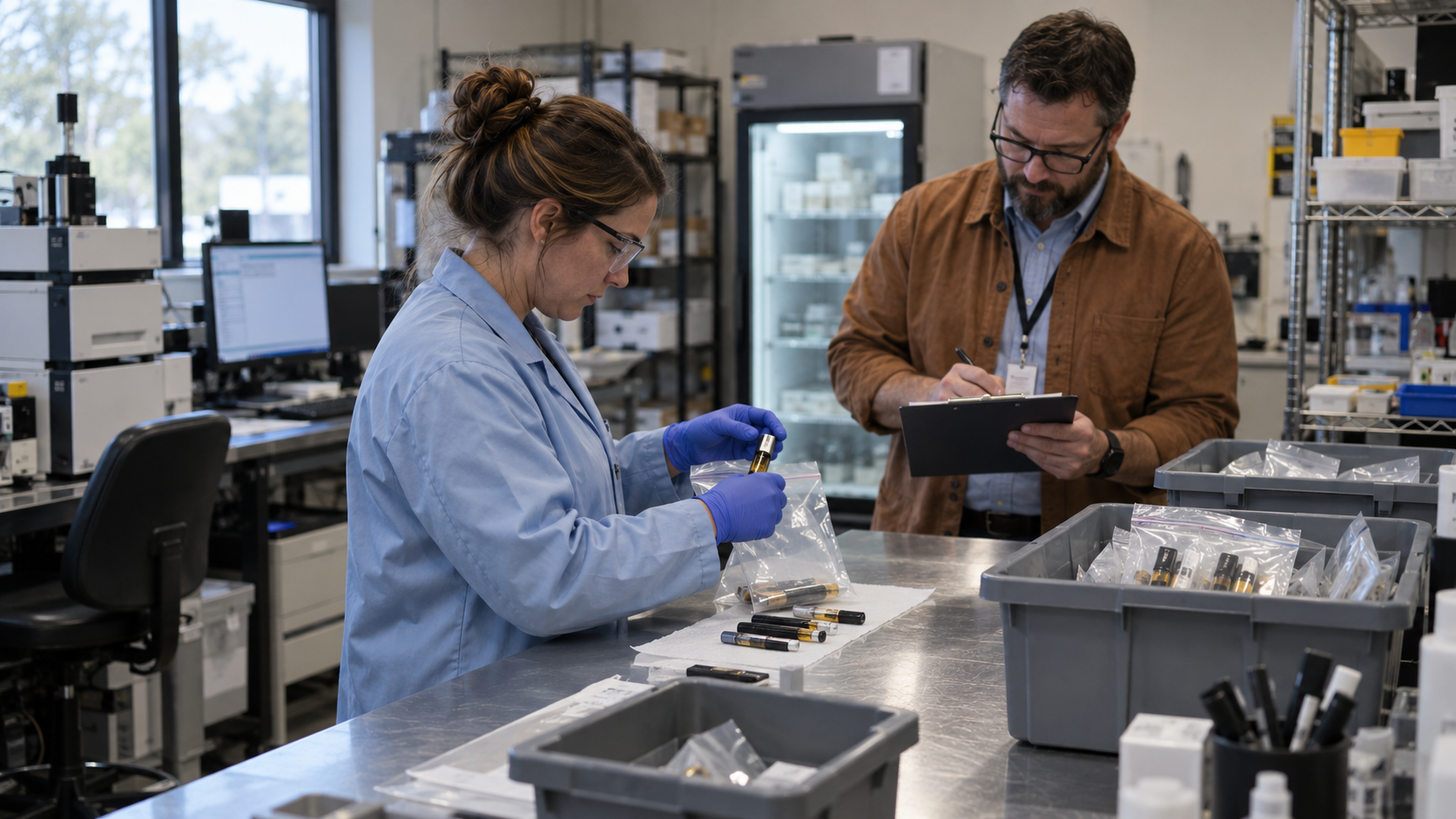
Ohio cannabis vape testing and safety investigation.
You might also like

SOURCES
Marijuana Moment, Ohio Dispensary Closes Amid Reports Of Adverse Health Effects From Cannabis Vapes, September 13, 2026
Signal Cleveland, Ohio Dispensary Closes After Reports Of Serious Adverse Health Effects From Vape, September 10, 2026
Ohio Administrative Code, Rule 1301:18-9-04, Product Alerts And Recalls
https://codes.ohio.gov/ohio-administrative-code/rule-1301%3A18-9-04

San Francisco has proposed cannabis cafe rules allowing approved businesses to combine onsite cannabis consumption with food, nonalcoholic drinks, and live entertainment. The hospitality opportunity also creates new pressure around permits, food service, employee safety, security, inventory, medical patient access, and neighborhood compliance.