
California Cannabis Recall Expands After Worker Death And Pesticide Investigation
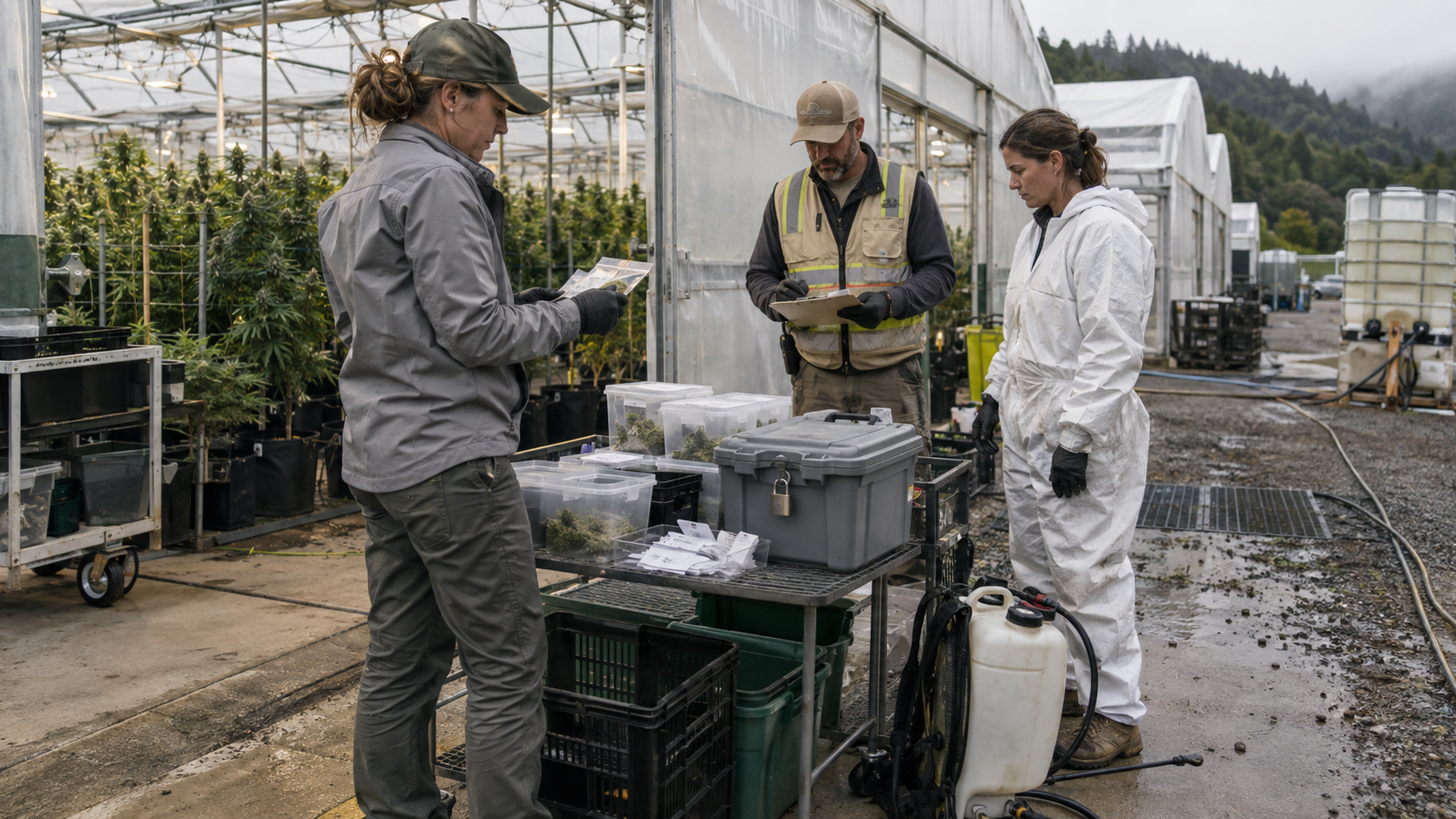
California cannabis pesticide and cultivation investigation.
California cannabis regulators have expanded product recalls connected to a major Lake County cultivation investigation involving alleged pesticide violations, inventory discrepancies, and the death of a farm worker. The Department of Cannabis Control suspended Joel Michaely Farms on September 8 after investigators reported untagged plants, unaccounted inventory, track and trace failures, environmental violations, and cannabis produced under conditions that did not comply with pesticide rules. A state investigator said officials suspect worker Yufang Lan experienced occupational pesticide exposure, but a final public determination of her cause of death has not been established.
Quick facts
• Yufang Lan, 46, died on August 27 after spending six days in intensive care
• A Department of Cannabis Control investigator said state officials suspect occupational pesticide exposure
• A final public determination establishing pesticide exposure as the cause of death has not been released
• California suspended Joel Michaely Farms on September 8
• Regulators alleged untagged plants, unaccounted inventory, track and trace failures, environmental violations, pesticide violations, and adulterated cannabis
• MJBizDaily reported at least four recalled product lines connected to the broader investigation
• Products reported include Iced Infused Flower, Tree House Flower, Martini's Pre Roll, and Cali Lean Tincture
• DCC recall notices say affected cannabis was produced under unsanitary conditions and cultivation controls did not comply with pesticide statutes and regulations
• Investigators reportedly found pesticides that were not approved for use on cannabis
• Authorities also reported roughly 20,000 gallons of contaminated liquid requiring specialized disposal
• DCC says batches containing material originating from the cultivator were identified through California's track and trace system and recalled or placed under embargo
• The universal operator lesson is simple: pesticide compliance, worker protection, inventory control, and product traceability cannot operate as separate compliance programs
If pesticide handling or cultivation safety could affect your operation, complete our quick Puro Risk intake form so you can map worker safety, product liability, environmental, property, compliance, and insurance exposure before an inspection or incident becomes a larger loss.
Why the worker death changes the risk conversation
Product recalls are serious on their own.
A worker death makes this investigation significantly broader.
According to MJBizDaily, a Department of Cannabis Control special investigator wrote that state law enforcement officials believe Lan died following occupational pesticide exposure at the farm.
That is an investigative position, not a final medical or legal determination.
Operators should preserve that distinction while recognizing the larger lesson. Chemical controls protect both consumers and employees. A pesticide problem can become a workplace safety event, environmental event, product recall, regulatory action, and insurance claim at the same time.
Why pesticide controls need their own system
California cultivators must comply with pesticide requirements enforced by the Department of Pesticide Regulation in addition to cannabis licensing requirements.
Investigators reportedly found products including Eagle 20, Sanmite SC, Altus, and foreign labeled pesticides at the cultivation site.
For operators, the important issue is not simply whether a chemical is stored somewhere on the property.
Management should know what pesticides are present, whether they are permitted for the intended use, who can apply them, how applications are documented, what protective equipment is required, and when workers can safely reenter treated areas.
If your cultivation operation uses pesticides or other agricultural chemicals, use the Puro Risk intake form to organize chemical inventories, training records, application logs, safety procedures, and insurance information before regulators request the same records.
Why track and trace matters during a recall
Track and trace systems can feel administrative during normal operations.
During a contamination investigation, they become critical.
DCC said it used track and trace data to identify cannabis and cannabis products containing material originating from Joel Michaely Farms so affected batches could be recalled or placed under embargo.
The farm itself was also accused of failing to properly record activity within the required system.
That shows both sides of traceability.
Accurate records help regulators and operators contain a problem. Missing or inaccurate records make it harder to determine where affected cannabis moved.
Why retailers and manufacturers have exposure too
A cultivation problem can travel far beyond the farm.
Flower may move through distributors, manufacturers, packagers, and retailers before anyone discovers the underlying issue.
That is why downstream operators need supplier records, batch information, current inventory data, recall procedures, and clear communication channels.
A retailer may have followed its own procedures correctly and still end up holding affected inventory from an upstream supplier.
If a supplier recall could interrupt your business, complete our quick Puro Risk intake form to identify inventory, contract, product liability, recall, and business interruption exposure before the next notice arrives.
Conclusion
The investigation into Joel Michaely Farms remains active, and the circumstances surrounding Yufang Lan's death have not received a final public determination.
What is already clear is that the case reaches far beyond one recall.
Worker safety, pesticide management, environmental controls, Metrc accuracy, inventory accountability, supplier oversight, and recall readiness are all being tested at once.
The universal operator lesson is straightforward. A cultivation license does not prove that a facility is safe, compliant, or insurable. Strong operators need documented controls that protect workers, products, consumers, and the surrounding property before something goes wrong.
Educational note: This article is for education only and is not legal, regulatory, medical, workplace safety, pesticide, environmental, claims, product safety, financial, or insurance advice.
What to do this week
• Audit every pesticide and agricultural chemical stored at cultivation facilities
• Confirm application logs, worker training, protective equipment, and safety procedures are current
• Reconcile physical inventory against track and trace records
• Test your ability to trace material from cultivation through finished retail products
• Review supplier and customer contracts for recall and contamination responsibilities
• Review workers compensation, general liability, product liability, pollution, property, and business interruption exposures
FAQ
What happened at Joel Michaely Farms?
California regulators suspended the Lake County cultivation operation after investigators alleged pesticide, environmental, inventory, and track and trace violations.
Was the worker's death caused by pesticide exposure?
A state investigator said officials suspect occupational pesticide exposure, but a final public determination establishing the cause of death has not been released.
Which products were recalled?
Reporting identified Iced Infused Flower, Tree House Flower, Martini's Pre Roll, and Cali Lean Tincture among products recalled during the broader investigation.
Why were the products recalled?
DCC recall notices state that cannabis used in affected products was produced under unsanitary conditions and that cultivation methods, facilities, or controls did not comply with pesticide statutes and regulations.
How did regulators identify affected products?
DCC said track and trace records were used to identify batches containing material originating from the cultivator so products could be recalled or placed under embargo.
What is the biggest operator takeaway?
Worker safety, pesticide compliance, inventory control, track and trace accuracy, and recall readiness need to function as one risk management system.
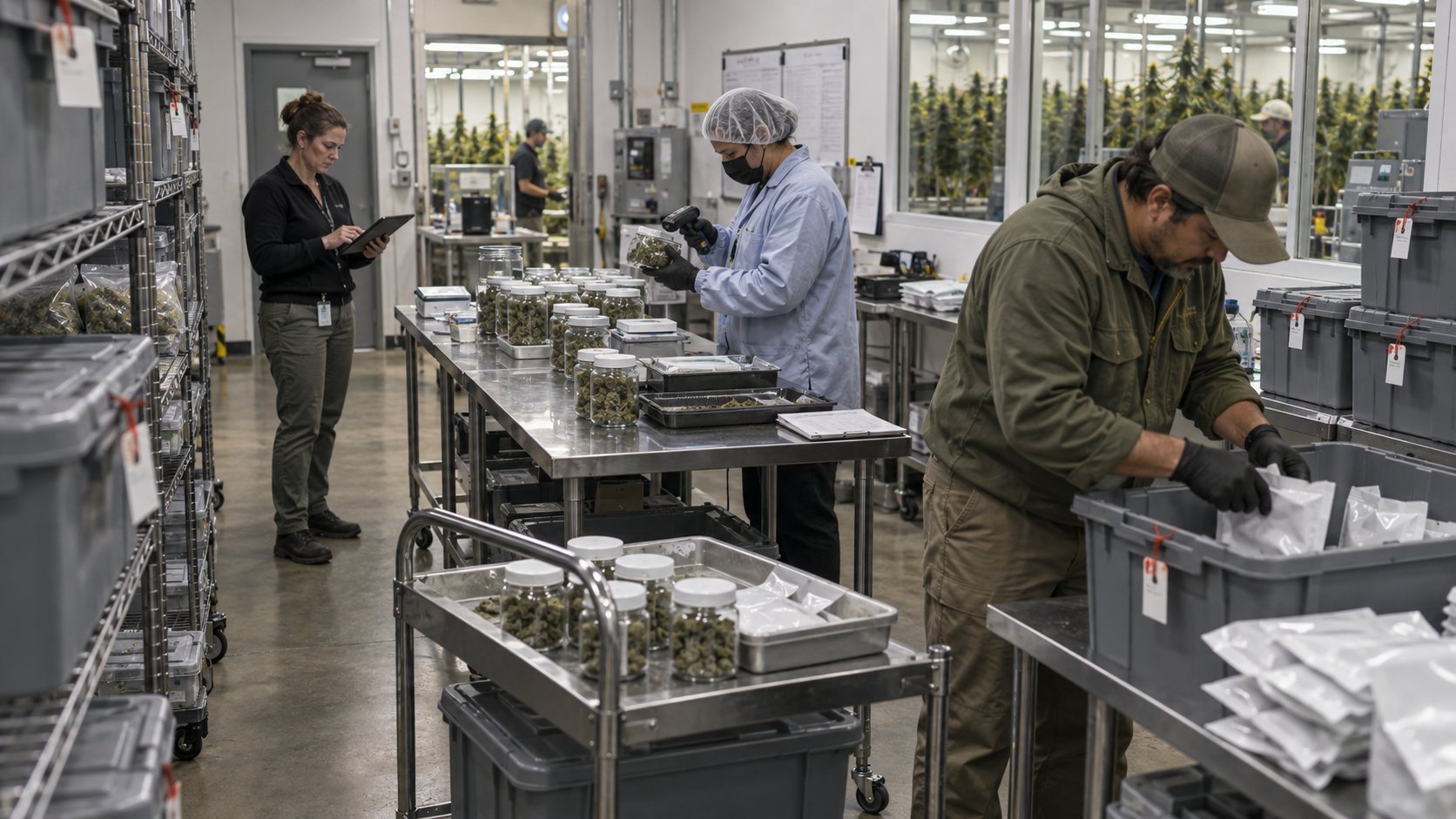
California cannabis recall and inventory compliance review.
You might also like
SOURCES
MJBizDaily, More California Cannabis Recalled Following Worker Death Connected To Pesticide Exposure, September 15, 2026
MJBizDaily reports the suspected occupational pesticide exposure, September 8 suspension, alleged cultivation violations, reported pesticide findings, and expanded recalls.
California Department of Cannabis Control, Cannabis Recalls And Safety Notices
https://recalls.cannabis.ca.gov/recalls
The official DCC recall portal lists Iced Infused Flower, Tree House Flower, and Martini's Pre Roll recalls and states that affected cannabis was produced under unsanitary conditions and cultivation controls did not conform with pesticide statutes and regulations.
California Department of Cannabis Control, Cultivation Updates And Pesticide Use Requirements
California regulations require licensed cultivators to comply with applicable pesticide statutes and regulations enforced by the Department of Pesticide Regulation.

California expanded cannabis recalls after regulators suspended a Lake County cultivation operation tied to suspected pesticide exposure and a worker death investigation. The case highlights serious operator risk around pesticide controls, worker safety, track and trace accuracy, product recalls, environmental compliance, and insurance claims.