
Netherlands Cannabis Pilot Tests A Fully Regulated Supply Chain
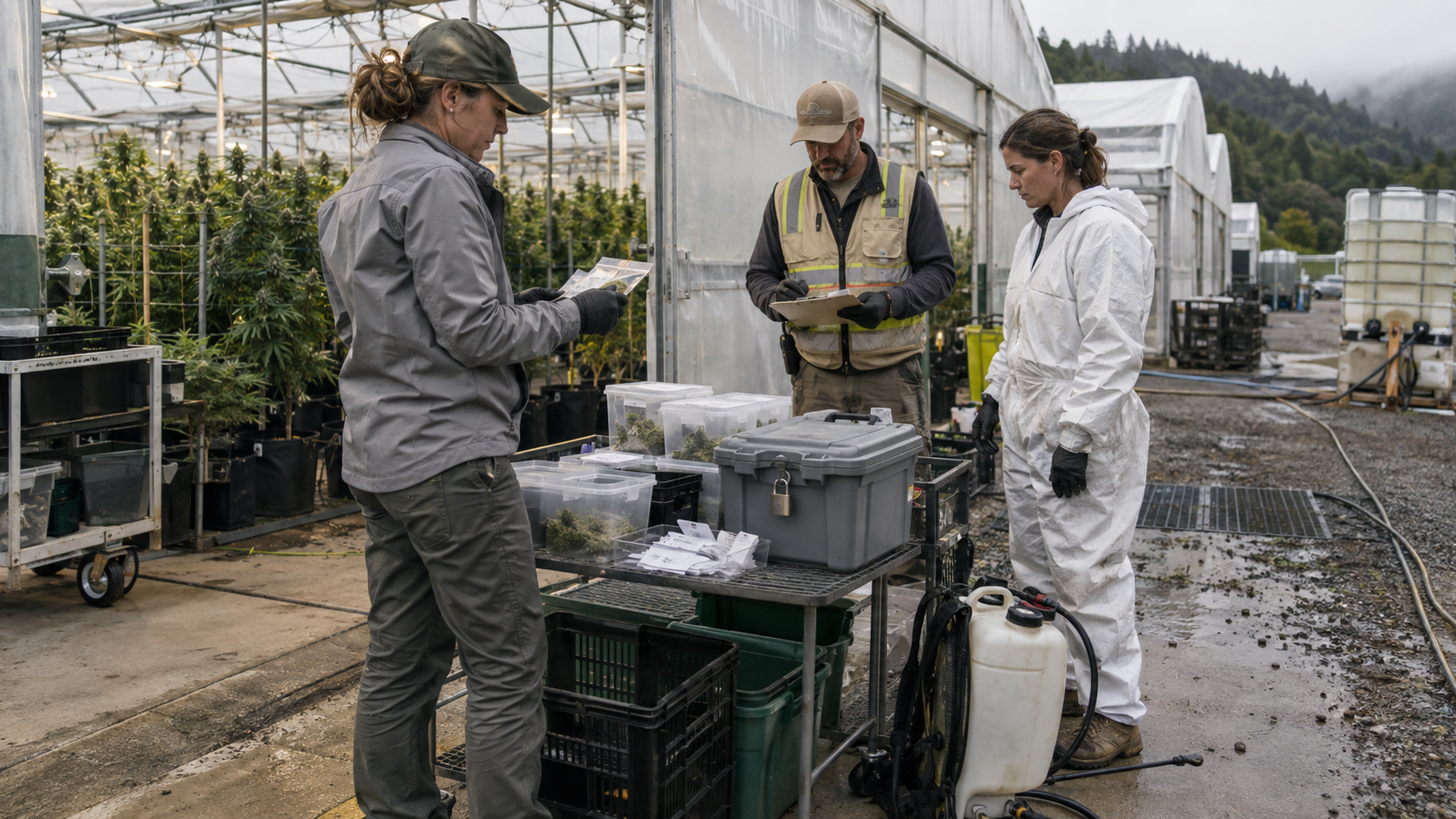
Netherlands cannabis pilot tracking and compliance review.
The Netherlands is getting its first detailed look at whether its famous coffeeshop system can operate with a fully regulated cannabis supply chain. Researchers published the first follow up report from the country's Controlled Cannabis Supply Chain Experiment in September 2026. Ten participating municipalities now require coffeeshops to source cannabis from designated regulated growers, replacing the unusual system where retail sales were tolerated but commercial cultivation and supply remained illegal. Early supply and tracking problems appear to be improving, but packaging, potency guidance, hash availability, and consumer information still need work before policymakers decide what comes next.
Quick facts
• Ten Dutch municipalities participate in the regulated cannabis experiment
• All coffeeshops in participating municipalities must take part
• The experimental phase began April 7, 2025
• Coffeeshops in participating municipalities now source cannabis from designated regulated growers
• Researchers compare the 10 participating municipalities with 10 municipalities operating under the traditional tolerance system
• Early concerns about limited product quantity and variety have decreased as regulated supply improved
• Initial problems with the seed to sale tracking system have also eased
• Researchers identified uncertainty around packaging and advertising responsibilities
• Stakeholders want clearer guidance on potency and appropriate dosing for products such as edibles, vapes, and concentrates
• Researchers did not find evidence that these potency concerns had produced an increase in health incidents during the period studied
• Hash supply remains an important part of the experiment because regulated availability was limited during earlier phases
• The first follow up measurement does not yet establish clear long term effects on cannabis use, the illegal market, public health, or public safety
• The Dutch government is expected to use multiple years of research before deciding the future of the experiment
• The universal operator lesson is simple: legalizing the supply chain requires more than licenses because product consistency, tracking, packaging, consumer information, and dependable inventory all have to work together
If regulated cannabis supply chains are influencing your expansion or compliance strategy, complete our quick Puro Risk intake form so you can map cultivation, distribution, product, inventory, compliance, and insurance exposure before entering a changing market.
Why the Netherlands created the experiment
The Netherlands has tolerated cannabis sales through coffeeshops for decades, but the supply side of that market created a regulatory contradiction.
Coffeeshops could sell cannabis to consumers under strict conditions, while commercial cultivation and wholesale supply remained illegal.
The experiment is testing whether that gap can be replaced with a controlled system where designated growers produce quality controlled cannabis, regulated transporters move it, coffeeshops document inventory, and regulators can monitor the chain from production through retail.
That makes the Netherlands especially useful for operators watching how an established informal supply system transitions into a regulated one.
Why supply appears to be improving
One of the earliest concerns was whether regulated growers could provide enough product diversity and volume to satisfy coffeeshops and consumers.
Researchers found those concerns have eased as more products became available.
Participating coffeeshops now report greater variety across cannabis flower, hash, pre rolled products, and newer formats. The research also found that consumers in participating municipalities viewed the price and quality relationship of cannabis more positively than before the experiment began.
Supply reliability matters because a legal system struggles to displace an illegal one when consumers cannot find the products they expect.
If your operation depends on regulated cultivation or wholesale supply, use the Puro Risk intake form to organize capacity, inventory, product quality, contracts, testing, and delivery exposure before shortages become retail problems.
Why tracking still matters
The Dutch experiment requires participating coffeeshops to use a track and trace system covering incoming products, suppliers, transporters, inventory, and sales.
Early users described the system as complicated and time consuming, partly because of technical problems and poor compatibility with existing systems.
Researchers now say many of those startup problems appear to have been resolved.
That is an important operational lesson.
Track and trace requirements can improve visibility and enforcement, but systems that create excessive manual work or do not integrate with existing retail technology can become a compliance burden themselves.
Why potency and packaging need more clarity
Researchers identified several areas where stakeholders still want clearer national standards.
Packaging and advertising responsibilities have not always been interpreted consistently across participants.
Potency is another issue.
Newer formats including concentrates, edibles, and vapes can contain high THC levels, while consumers may not always understand product strength or appropriate dosage.
Stakeholders have therefore called for clearer potency guidance and more useful information on packaging.
If higher potency products are part of your product mix, complete our quick Puro Risk intake form to identify labeling, testing, product liability, consumer education, and compliance risks before product complexity creates preventable exposure.
Conclusion
The Dutch experiment appears to have moved beyond some of its earliest operational problems, but it is still too early to judge whether the regulated system will achieve its broader goals.
Supply is improving. Tracking problems are easing. Product variety is expanding.
Questions remain around packaging, potency, dosing information, hash availability, the illegal market, and long term public health effects.
The universal operator lesson is straightforward. Converting an existing cannabis market into a regulated supply chain is not accomplished by licensing alone. The legal system has to compete on product availability, reliability, price, quality, technology, and consumer confidence.
Educational note: This article is for education only and is not legal, regulatory, medical, product safety, financial, investment, international trade, licensing, or insurance advice.
What to do this week
• Review whether your supply chain can maintain consistent product variety and volume
• Test track and trace systems against real retail workflows
• Review potency labels and consumer dosage information
• Confirm packaging and marketing responsibilities across suppliers and retailers
• Identify products where regulated supply may not yet match consumer demand
• Track the Dutch annual reports instead of relying on early pilot results alone
FAQ
What is the Dutch cannabis experiment?
It is a government regulated trial testing whether cannabis production, distribution, and retail sales can operate through a controlled legal supply chain.
How many municipalities participate?
Ten municipalities participate, including Amsterdam is not among them. Participating locations include cities such as Breda, Tilburg, Groningen, Arnhem, Nijmegen, and Maastricht.
Can participating coffeeshops still buy from illegal growers?
During the experimental phase, coffeeshops generally must source cannabis from designated regulated growers. Earlier temporary exceptions were used while regulated supply, particularly hash, developed.
Is the pilot working?
The first follow up report shows improving supply and fewer tracking problems, but researchers say it is too early to draw firm conclusions about broader effects.
What problems remain?
Researchers identified issues involving packaging rules, advertising responsibilities, potency information, dosage guidance, and parts of the regulated hash supply.
What is the biggest operator takeaway?
A regulated market needs dependable supply, practical tracking systems, clear product information, consistent standards, and enough product variety to compete with existing consumer purchasing habits.

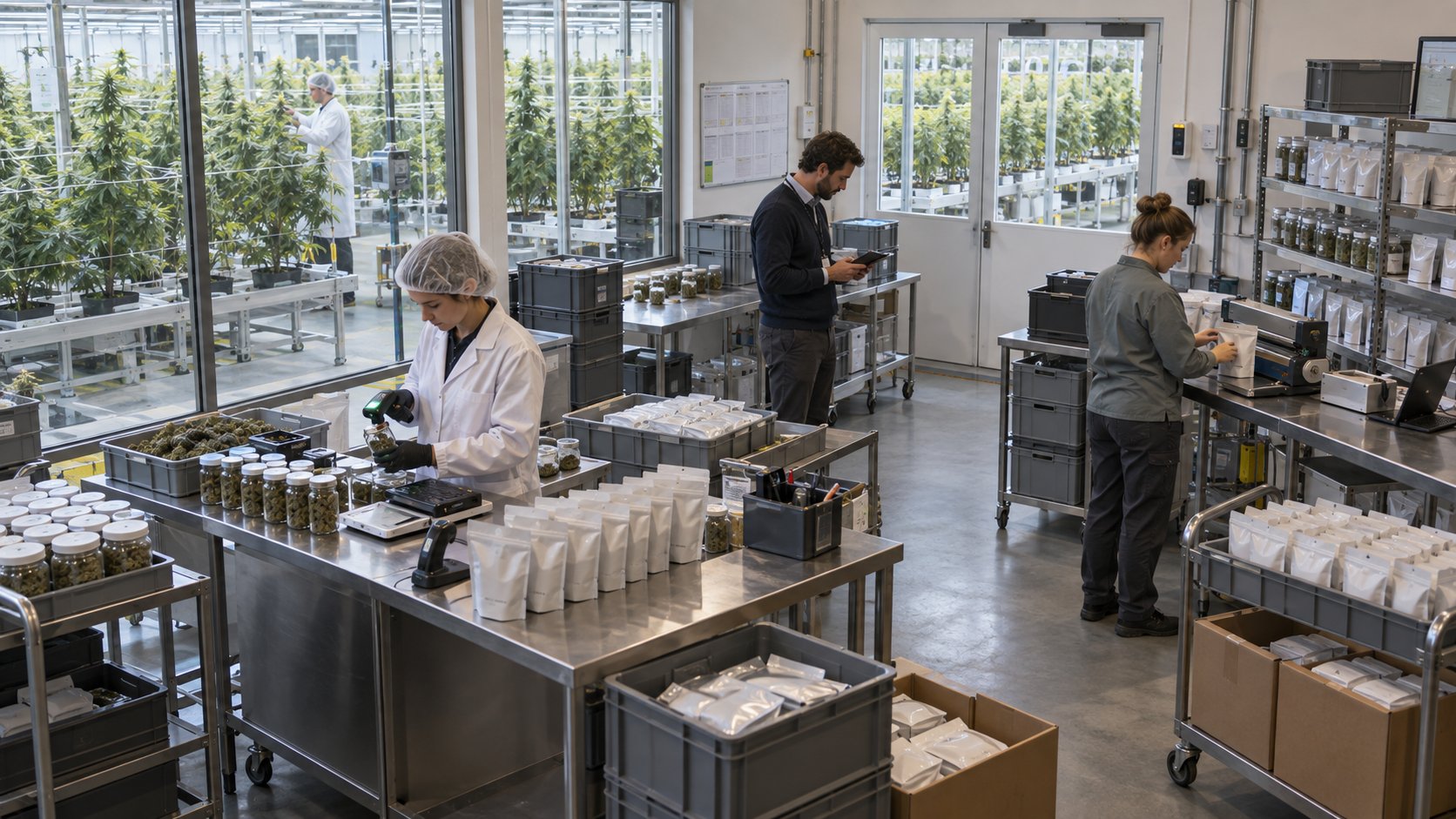
Netherlands cannabis pilot packaging and retail review.
You might also like
SOURCES
Cannabis Wire, How Is the Netherlands’ Adult Use Pilot Coming Along?, September 15, 2026
https://cannabiswire.com/newsletters/how-is-the-netherlands-adult-use-pilot-coming-along/
Cannabis Wire summarizes the first follow up report, including improved regulated supply, easing track and trace problems, packaging uncertainty, potency concerns, consumer behavior, and hash availability.
Trimbos Institute, First Findings From The Controlled Cannabis Supply Chain Experiment, September 9, 2026
The research team reports increased product diversity and explains that clear conclusions about effects on cannabis use, safety, and the illegal market cannot yet be made.
Government of the Netherlands, Controlled Cannabis Supply Chain Experiment
https://www.government.nl/themes/family-health-and-care/controlled-cannabis-supply-chain-experiment
The Dutch government explains the experiment's purpose, participating municipalities, grower system, experimental phases, monitoring structure, and regulated supply requirements.

Minnesota surpassed $250 million in cannabis sales during its first full year of statewide licensed retail, while cultivation capacity and social equity participation expanded rapidly. The next test is whether rising supply can improve product availability without putting unsustainable pressure on smaller operators and margins.