
Minnesota Cannabis Sales Pass $250 Million In First Year
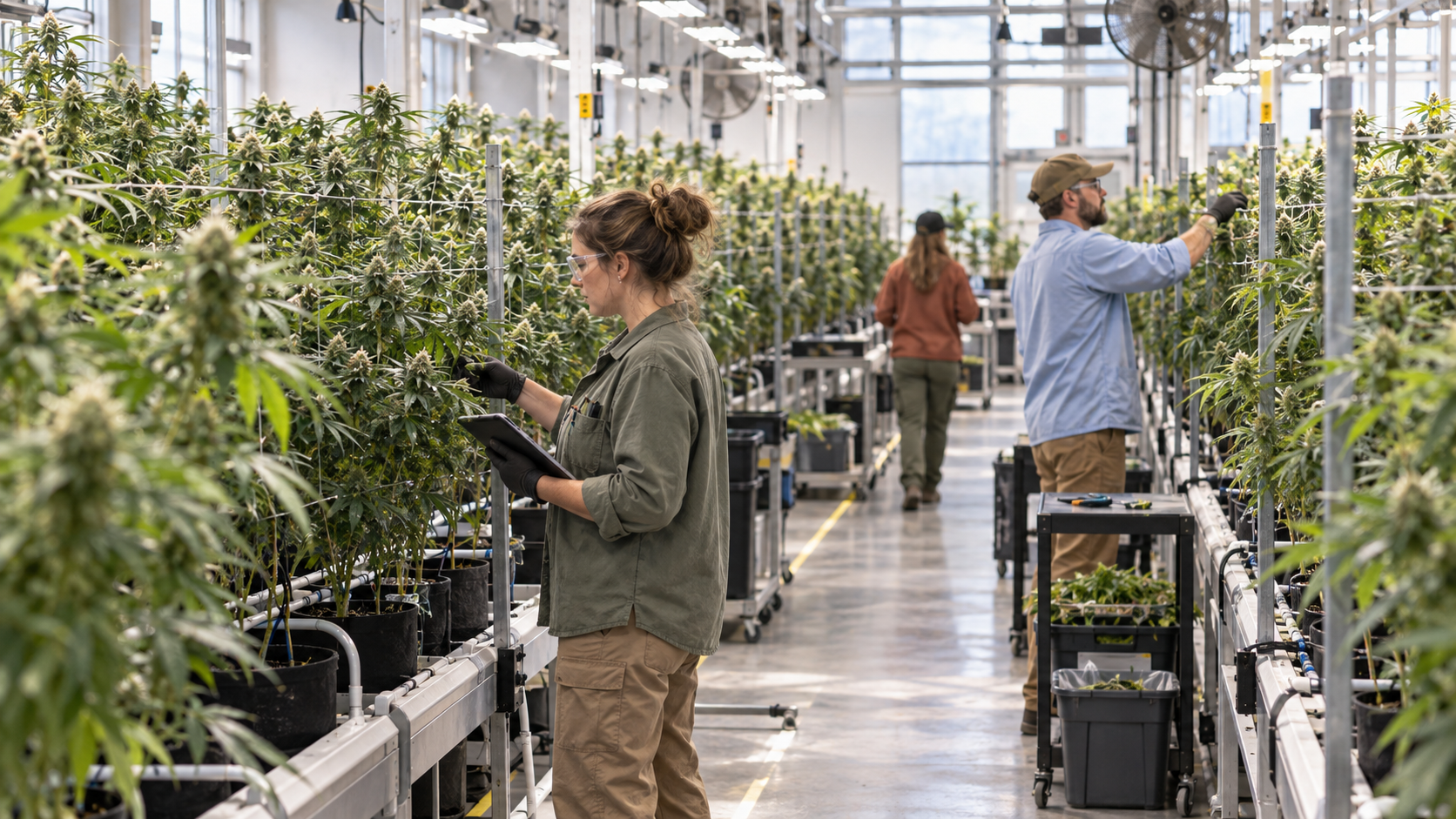
Minnesota cannabis cultivation and market growth.
Minnesota has passed $250 million in legal cannabis sales during the first full year of statewide licensed retail, giving the young market its first meaningful performance benchmark. The Office of Cannabis Management says consumers purchased approximately $150 million in adult use cannabis and $100 million in medical cannabis after statewide adult use sales began September 16, 2025. Licensing and cultivation are also expanding quickly, setting up the next test for Minnesota: whether growing supply can support consumers while giving smaller operators enough room to build sustainable businesses.
Quick facts
• Minnesota recorded more than $250 million in combined adult use and medical cannabis sales during the first year
• Adult use cannabis accounted for approximately $150 million
• Medical cannabis accounted for approximately $100 million
• Cannabis and lower potency hemp products generated $45.6 million in state tax revenue from September 2025 through July 2026
• Minnesota currently has 369 licensed cannabis businesses
• 43 percent of licensed cannabis businesses are owned by verified social equity applicants
• Verified social equity businesses received 86 percent of licenses issued across four major limited license categories
• Nearly three quarters of license holders authorized for cultivation are microbusinesses
• Active cultivation increased from 72,083 plants across 11 license holders to 486,720 plants across 102 license holders
• That represents a 575 percent increase in plants tracked by the state
• OCM conducted approximately 3,000 licensing, routine, and regulatory inspections during the year
• The universal operator lesson is simple: strong demand creates opportunity, but rapidly expanding supply makes margins, inventory discipline, location quality, and operating efficiency increasingly important
If Minnesota market growth is affecting your expansion strategy, complete our quick Puro Risk intake form so you can map property, inventory, licensing, compliance, capital, and insurance exposure before committing additional resources.
Why The Sales Milestone Matters
A quarter billion dollars in first year sales establishes meaningful consumer demand.
Minnesota also differs from many newly launched markets because its medical cannabis program remains significant. More than $100 million of the first year total came from medical sales, and OCM says medical patient enrollment has more than doubled from just over 41,000 patients to more than 90,000.
That creates two important customer channels rather than one.
Operators need to understand whether their products, locations, and pricing are positioned for adult use consumers, medical patients, or both.
Why Supply Is Changing Fast
Minnesota's earliest retailers opened while statewide cultivation capacity was still limited.
Tribal partnerships helped licensed retailers obtain products while more state licensed cultivation facilities came online.
That supply picture is changing quickly.
The number of plants reported in the tracking system increased from 72,083 to 486,720 in one year. OCM says 95 newly licensed cultivators entered the system during June, July, and August alone.
More cultivation should improve product availability.
It can also create new pricing pressure if production begins growing faster than retail demand.
If your cultivation or purchasing strategy depends on continued product scarcity, use the Puro Risk intake form to organize production costs, inventory, contracts, property, and insurance before greater supply changes market economics.
Why Small Operators Matter
Minnesota has placed significant emphasis on social equity and smaller businesses.
Forty three percent of the state's 369 licensed cannabis businesses are owned by verified social equity applicants. Nearly three quarters of license holders approved for cultivation activities are microbusinesses.
Those numbers show meaningful ownership participation.
The harder test comes next.
Small cultivators still need enough margin to cover labor, utilities, testing, taxes, property, compliance, insurance, and working capital as more competitors enter the market.
License access creates opportunity. Sustainable economics determine whether that opportunity lasts.
Why Tax Revenue And Community Investment Matter
The market is already producing significant public revenue.
Minnesota reported $45.6 million in state tax revenue from cannabis and lower potency hemp products between September 2025 and July 2026.
The state is also using cannabis policy to fund business assistance and community investment through programs including CanGrow and CanRenew.
That gives local governments and communities another reason to watch whether the regulated market remains healthy over time.
If Minnesota growth is creating new property, staffing, or capital commitments for your operation, complete the Puro Risk intake form to identify fixed costs and operating risks before sales growth is mistaken for guaranteed profitability.
Conclusion
Minnesota's first year shows real traction.
Sales exceeded $250 million, social equity participation remains substantial, medical enrollment is growing, and cultivation capacity has expanded dramatically.
The next phase will be harder.
Operators now need to prove that those sales can support sustainable businesses as supply rises and competition increases.
The universal lesson extends beyond Minnesota. Early market growth is only the first test. Long term success depends on margins, inventory discipline, operational efficiency, product availability, and the ability of businesses of different sizes to survive a more competitive market.
Educational note: This article is for education only and is not legal, regulatory, tax, financial, investment, licensing, medical, product safety, or insurance advice.
What to do this week
• Compare revenue growth with gross margin and operating cash flow
• Review cultivation or purchasing assumptions against rapidly expanding supply
• Track inventory turnover before increasing production commitments
• Compare property, payroll, taxes, testing, and insurance against realistic sales volume
• Review whether social equity or small business support programs fit your operation
• Build scenarios for stronger supply and lower wholesale pricing
FAQ
How much cannabis did Minnesota sell during its first year?
Minnesota reported more than $250 million in combined adult use and medical cannabis sales.
How much came from adult use sales?
Adult use purchases totaled approximately $150 million.
How much came from medical cannabis?
Medical cannabis sales totaled approximately $100 million.
How many cannabis businesses are licensed?
The Office of Cannabis Management reported 369 licensed cannabis businesses.
How quickly is cultivation expanding?
Minnesota went from 72,083 active plants across 11 license holders to 486,720 plants across 102 license holders in one year.
What is the biggest operator takeaway?
Strong first year demand is encouraging, but rapidly expanding cultivation means operators should focus on margins, inventory, production efficiency, and sustainable growth rather than sales totals alone.

Minnesota cannabis retail reaches $250 million in sales.
You might also like
SOURCES
KTTC, Minnesota Reports $250 Million In Cannabis Sales During First Year Of Retail Market, September 15, 2026
KTTC reports the approximately $150 million in adult use sales, $100 million in medical sales, $45.6 million in tax revenue, licensing growth, and cultivation expansion.
Minnesota Office of Cannabis Management, More Than $250 Million In Retail Cannabis Sales Since Statewide Launch, September 15, 2026
https://content.govdelivery.com/accounts/MNOCM/bulletins/42aab6d
The Office of Cannabis Management confirms the sales milestone, 369 licensed businesses, 43 percent social equity ownership, 575 percent cultivation growth, inspection activity, and medical patient growth.
Minnesota Department of Revenue, Cannabis Tax
https://www.revenue.state.mn.us/cannabis-tax
The Department of Revenue confirms Minnesota's current 15 percent cannabis gross receipts tax and applicable state and local sales tax framework.

Minnesota surpassed $250 million in cannabis sales during its first full year of statewide licensed retail, while cultivation capacity and social equity participation expanded rapidly. The next test is whether rising supply can improve product availability without putting unsustainable pressure on smaller operators and margins.