
Delaware Hemp THC Regulation Fight Could Reshape Who Gets To Sell
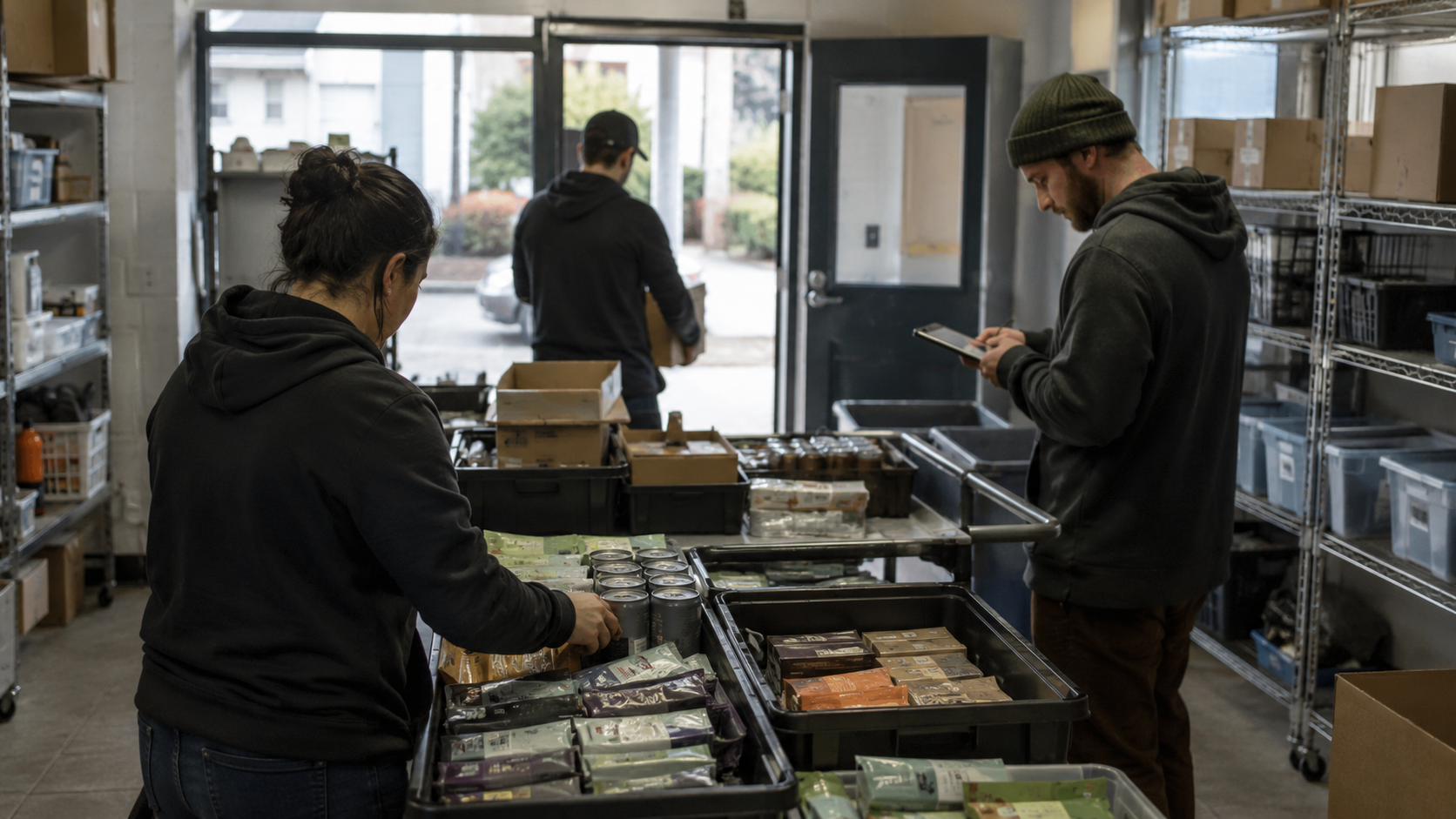
Staff sort hemp THC products in a compliance and inventory workspace.
Delaware hemp THC regulation is becoming a real business pressure point. Spotlight Delaware, as reported by Marijuana Moment, says lawmakers are weighing four competing bills that would decide how hemp derived THC products are regulated, where they can be sold, and whether certain products get folded into the licensed cannabis system. For operators, retailers, manufacturers, distributors, investors, and compliance teams, the issue is bigger than product categories. This is a fight over market access, testing, labeling, taxation, age restrictions, and who will be allowed to stay in the game.
Quick facts
• Delaware lawmakers are weighing four different hemp THC bills
• Some proposals would protect smoke shops and hemp retailers
• Other proposals would move intoxicating hemp products into licensed cannabis channels
• The debate includes testing, labeling, age controls, taxation, and enforcement issues
• Regulators have already sent 70 cease and desist letters to more than 60 businesses selling THC products
• The universal operator lesson is simple: when hemp rules tighten, product compliance and channel access become survival issues
If Delaware hemp THC uncertainty is affecting your growth plan, Start with our quick Cannashield intake form so you can map product, compliance, and insurance exposure before the rules harden around your business.
What Delaware is really deciding
The surface issue is hemp derived THC. The deeper issue is control. Delaware lawmakers are deciding whether these products stay in a broader retail environment or move into a tighter licensed cannabis lane. That distinction matters because it changes almost everything around the product. It changes who can sell it, what testing standards apply, how labels are written, what age restrictions exist, how products are taxed, and what enforcement exposure a business takes on.
This is why the bill fight matters beyond Delaware. Many states are still working through the same question. Do hemp THC products stay in a loosely regulated space, or do states treat intoxicating products more like cannabis and force them into licensed channels?
That is the universal operator lesson. A state does not need to ban hemp THC to change the market. It only needs to redefine where the product belongs.
Why the compliance lane matters so much
If Delaware moves intoxicating hemp products into licensed cannabis channels, the compliance burden gets much heavier. Testing standards become more important. Product labels need to hold up. Age gating needs to be stronger. Inventory handling becomes more formal. Beverage rules and product category rules may change. Enforcement risk also becomes more direct.
That may sound like a burden, and in many ways it is. But it is also a sorting mechanism. Businesses with weak documentation, loose sourcing, or inconsistent formulations tend to struggle when the market moves into a more controlled system. Businesses that already take testing, packaging, and compliance seriously are usually better positioned.
If uncertainty around testing, labeling, or product channel strategy is affecting how you plan, Complete our quick Cannashield intake form to pressure test your exposure before Delaware forces the issue.
Why retailers and hemp operators should pay attention now
Retailers may be tempted to wait and see which bill wins. That is risky. The fact that regulators have already sent 70 cease and desist letters to more than 60 businesses shows this is not a passive conversation. Enforcement is already part of the story.
That means smoke shops, hemp retailers, distributors, and product manufacturers should be looking at their inventory now. Which products could trigger concern. Which labels are weak. Which items would have trouble clearing stricter testing or age control standards. Which supplier files are incomplete. Which products only make sense if they remain outside the licensed cannabis system.
This is where the real business pressure starts. A product can look profitable on a shelf and still become a liability if the legal structure changes faster than the business can react.
Why licensed cannabis operators should care too
Licensed cannabis businesses should not treat this as someone else’s problem. If Delaware pushes more intoxicating hemp products into the licensed system, that could create opportunity and competition at the same time. It may give licensed operators more protected market access, but it may also increase product category pressure, operational complexity, and compliance expectations.
Investors should also watch closely. This kind of policy fight can change valuations, channel strategy, and which operators are actually positioned for growth. A company that looks well placed today may be exposed tomorrow if its product mix or distribution model depends on a looser hemp lane remaining open.
If you need to organize your product, distribution, and insurance records before Delaware rules shift, Complete our quick Cannashield intake form to identify weak points and build a clearer plan.
You might also like


Conclusion
Delaware is becoming another state where hemp THC regulation may move from a loose retail question into a more serious compliance and market access issue. The legislative outcome will matter, but the bigger lesson is already clear. Product legality on paper does not mean the business model is secure.
For operators, the message is simple. Review the inventory, verify the testing, tighten the labeling, and understand which side of the regulatory line your business is really standing on.
Educational note: This article is for education only and is not legal, regulatory, tax, financial, or insurance advice.
What To Do This Week
• Review all hemp derived THC products by category, potency, and sales channel
• Pull certificates of analysis and confirm testing files are complete
• Review labels for age warnings, dosage clarity, and product claims
• Identify products that may need to move into a licensed cannabis channel
• Review supplier agreements and inventory exposure if rules change fast
• Build a short internal memo on best case, tighter rule, and enforcement scenarios
FAQ
What is Delaware debating right now?
Lawmakers are considering four competing bills that would decide how hemp derived THC products are regulated and where they can be sold.
Why does this matter to retailers?
Because the bills could change whether products stay in smoke shops and hemp stores or move into licensed cannabis channels.
What products are most exposed?
Intoxicating hemp derived THC products are the most exposed, especially products that may face stronger testing, labeling, and age control requirements.
Is enforcement already happening?
Yes. Public reporting says regulators have already sent 70 cease and desist letters to more than 60 businesses selling THC products.
Why should licensed cannabis operators care?
Because some proposals could move more hemp THC products into the licensed cannabis system, changing competition and market access.
What is the biggest operator takeaway?
Do not wait for the final vote to review your compliance file. The pressure is already here.
SOURCES
Marijuana Moment, Delaware Lawmakers Juggle Competing Bills To Regulate Hemp THC Products
https://www.marijuanamoment.net/delaware-lawmakers-juggle-competing-bills-to-regulate-hemp-thc-products/
Spotlight Delaware
https://spotlightdelaware.org/
Delaware Office of the Marijuana Commissioner
https://omc.delaware.gov/

Trulieve and Cronos have each gained roughly 27 percent in 2026 while reporting stronger operating results. The broader signal is that public market attention is increasingly rewarding cash generation, improving margins, liquidity, and measurable revenue growth.