
San Francisco Proposes Cannabis Cafe Rules For Food, Live Music And On Site Consumption
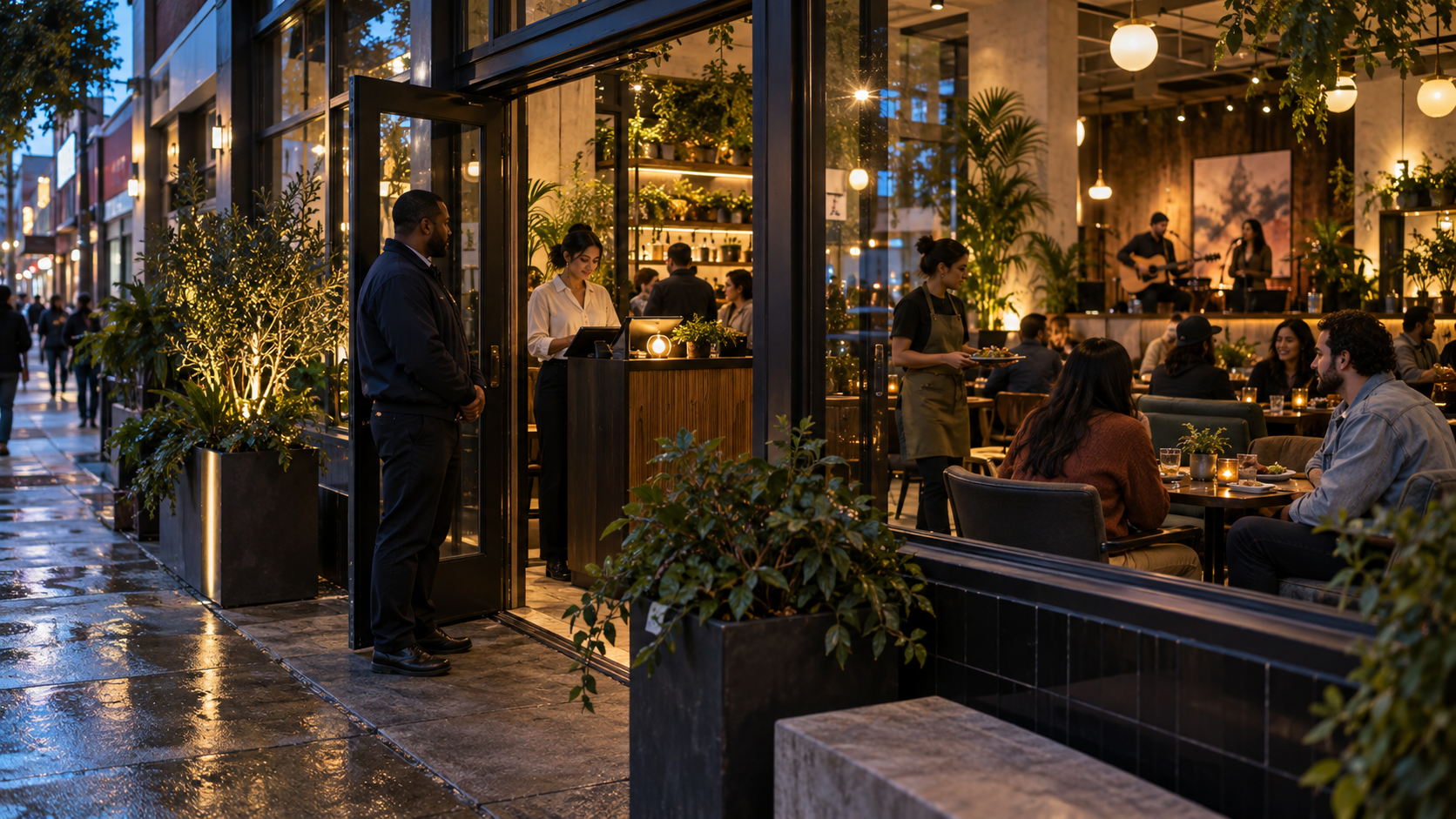
San Francisco cannabis cafe nightlife and on-site consumption.
San Francisco is moving closer to a cannabis hospitality model that combines legal consumption with food, nonalcoholic drinks, and live entertainment. The Office of Cannabis has released draft regulations implementing the city's cannabis cafe framework under California Assembly Bill 1775. The proposal would require operators to address employee training, security, deliveries, inventory, medical patient access, food service, and neighborhood impacts before offering a more traditional hospitality experience around cannabis. Public comments on the draft are being accepted through September 25, 2026.
Quick facts
• San Francisco released draft cannabis cafe regulations in September 2026
• Public comments are being accepted through September 25
• California AB 1775 allows local governments to authorize food, nonalcoholic beverages, and live performances within qualifying cannabis consumption areas
• San Francisco created a new Cannabis Cafe Permit framework
• Operators would also need appropriate cannabis consumption authorization
• Draft rules cover operating plans, employee training, security, deliveries, and inventory controls
• Businesses would need procedures discouraging customers from removing cannabis intended for onsite consumption
• Cannabis cafe names cannot improperly appeal to minors or imply sales are available to people under age 21
• Medical cannabis patients must continue to receive appropriate access and accommodations
• Food preparation and storage must remain separated from areas where cannabis is smoked or vaporized
• Alcohol and tobacco cannot be sold or consumed on the cannabis premises
• Live entertainment may require additional city entertainment permits depending on the activity
• The universal operator lesson is simple: cannabis hospitality creates new revenue opportunities, but it also combines retail, food service, entertainment, workplace safety, security, and neighborhood compliance into one operating model
If San Francisco cannabis hospitality is part of your growth plan, complete our quick Puro Risk intake form so you can map permits, property, food service, security, operations, and insurance exposure before committing capital to a cafe concept.
Why cannabis cafes change the retail model
Traditional dispensaries are built around transactions.
Cannabis cafes are designed around time spent on the premises.
That changes the economics and the risk profile.
Food, entertainment, seating, customer service, events, and longer visits can create additional revenue opportunities and potentially strengthen customer loyalty. They also create new responsibilities involving occupancy, employee exposure, food handling, crowd management, security, and neighborhood relations.
Operators entering hospitality need to think beyond dispensary procedures.
Why AB 1775 matters
California AB 1775 gave local governments the authority to allow qualifying licensed retailers and microbusinesses to prepare and sell noncannabis food and beverages in cannabis consumption areas.
The law also permits live musical and other performances where local governments approve them.
Several safeguards remain.
Customers in consumption areas must be age 21 or older. Cannabis use cannot be visible from public areas. Alcohol and tobacco remain prohibited. Food cannot be contaminated or mixed with cannabis products, and smoking or vaporizing cannot occur in food preparation, storage, or warewashing areas.
The state framework creates permission. San Francisco still controls how businesses qualify and operate locally.
If you are evaluating a cafe location or hospitality conversion, use the Puro Risk intake form to organize zoning, lease terms, permits, construction needs, food operations, entertainment plans, and insurance before signing long term commitments.
Why operating plans will matter
San Francisco's draft regulations make written procedures central to the cafe model.
Operators would need systems covering cannabis inventory, onsite consumption, deliveries, security, employee responsibilities, and customer behavior.
A business also needs procedures designed to discourage customers from removing cannabis purchased specifically for onsite consumption.
That makes inventory control more complex than a standard hospitality operation.
Operators need to know what was sold, where it can be consumed, what leaves the premises, and how employees respond when rules are violated.
Why medical patient access remains important
The cafe model cannot eliminate the responsibilities retailers have to medical cannabis patients.
Draft rules contemplate accommodations that may include allowing patients to communicate privately with employees and maintaining appropriate medical cannabis inventory.
That means operators pursuing a nightlife or hospitality atmosphere still need procedures serving patients who may enter the business for very different reasons.
Why neighborhood relations could shape success
Live music, smoke, odors, customer traffic, security, and operating hours can all create concerns for nearby residents and businesses.
San Francisco is incorporating cannabis cafes into its broader Good Neighbor Policy framework.
Operators should therefore treat community relations as an operating responsibility rather than something handled only during permitting.
If your cannabis cafe plan includes live events or extended customer stays, complete our quick Puro Risk intake form to identify security, premises, employee, event, liability, and neighborhood risks before opening.
Conclusion
San Francisco's proposed cannabis cafe rules could move legal cannabis retail closer to hospitality and nightlife.
The opportunity is meaningful. Operators may gain new ways to generate revenue, create experiences, host entertainment, and give consumers a legal place to consume products they purchase.
The compliance burden will also expand.
Successful cannabis cafes will need coordinated systems for cannabis, food, employees, security, medical patients, entertainment, property, and neighborhood impacts.
The universal operator lesson is straightforward. Adding hospitality can increase revenue potential, but it also creates more ways for a weak operating system to fail.
Educational note: This article is for education only and is not legal, regulatory, food safety, workplace safety, licensing, financial, investment, property, event, or insurance advice.
What to do this week
• Review the San Francisco draft rules before the September 25 comment deadline
• Identify which cannabis and consumption permits your concept would require
• Review food preparation, storage, ventilation, and employee safety plans
• Map security, inventory, delivery, and onsite consumption procedures
• Confirm whether planned entertainment requires additional city permits
• Review lease, zoning, insurance, and neighborhood obligations before investing in a location
FAQ
Are cannabis cafes already operating under these new San Francisco rules?
The city has authorized the cannabis cafe framework, but the Office of Cannabis is currently seeking public input on the detailed draft regulations.
What can cannabis cafes serve?
California law allows approved businesses to prepare or sell qualifying noncannabis food and nonalcoholic beverages within authorized consumption areas.
Can cannabis cafes serve alcohol?
No. California law prohibits alcohol and tobacco sales or consumption on the cannabis premises.
Can cannabis cafes host live music?
Yes, qualifying cannabis businesses may host live musical or other performances when local requirements and any additional entertainment permits are satisfied.
What protections apply to employees?
California law includes requirements involving separation from food preparation areas, secondhand smoke information, workplace hazard planning, and access to employer paid respiratory masks in areas where cannabis is smoked.
What is the biggest operator takeaway?
A cannabis cafe is not simply a dispensary with tables. Operators need hospitality, food, security, workplace safety, inventory, entertainment, and neighborhood controls working together.
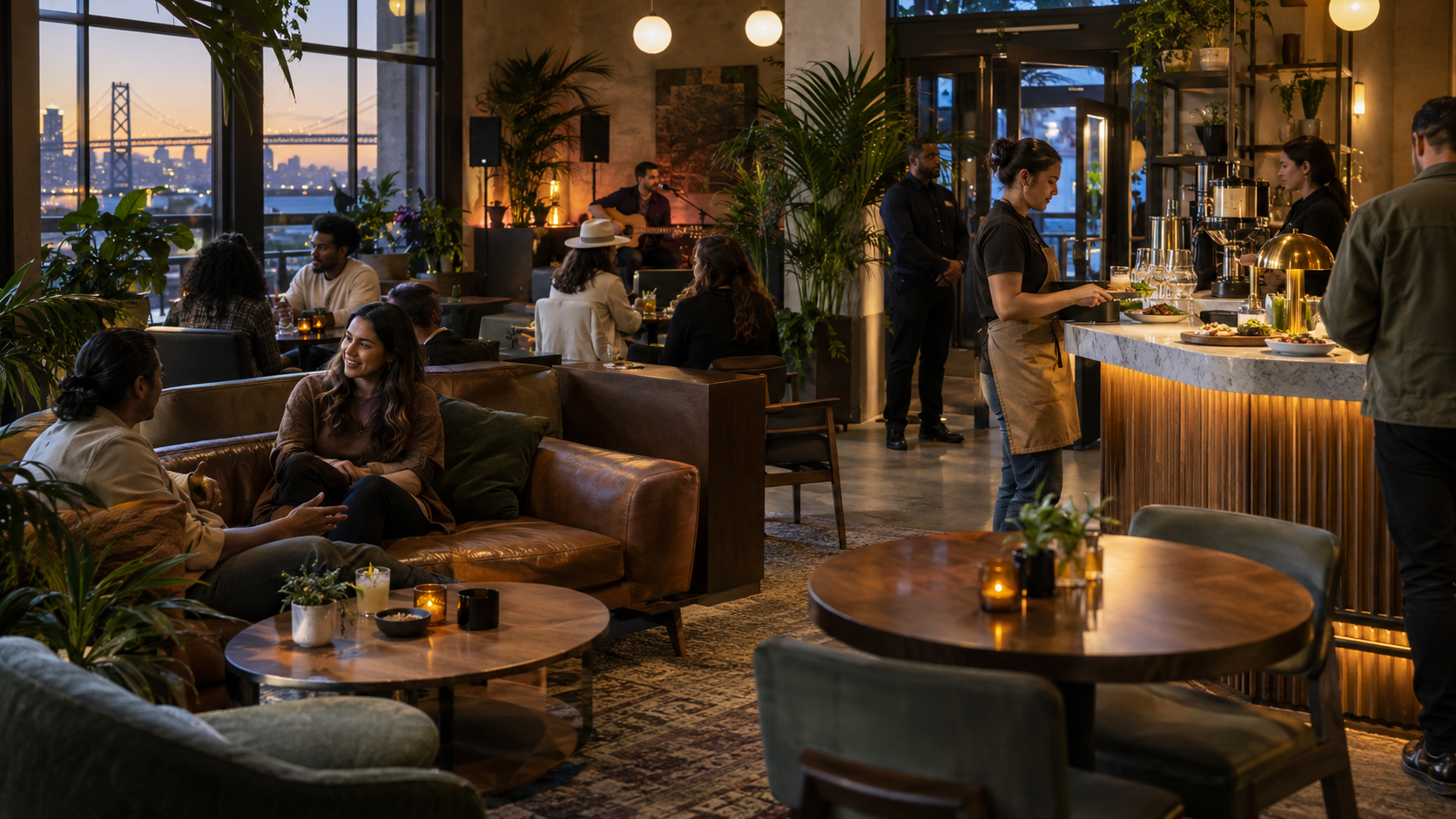
San Francisco cannabis cafe with hospitality and live events.
You might also like

SOURCES
Marijuana Moment, San Francisco Officials Propose Rules For Cannabis Cafes Where People Could Consume While Listening To Live Music And Ordering Food, September 14, 2026
California Legislative Information, Assembly Bill 1775
https://leginfo.legislature.ca.gov/faces/billNavClient.xhtml?bill_id=202320240AB1775
San Francisco Office Of Cannabis, Cannabis Cafes Ordinance Presentation
https://media.api.sf.gov/documents/Cannabis_Cafes_Presentation_V2_SM_--__Read-Only_RlPuQj4.pdf

San Francisco has proposed cannabis cafe rules allowing approved businesses to combine onsite cannabis consumption with food, nonalcoholic drinks, and live entertainment. The hospitality opportunity also creates new pressure around permits, food service, employee safety, security, inventory, medical patient access, and neighborhood compliance.