
Pennsylvania Medical Cannabis Audit Calls For Stronger Oversight

Pennsylvania medical cannabis regulatory oversight.
Pennsylvania's medical cannabis oversight system needs stronger internal controls, according to a new performance audit from the Department of the Auditor General. The review found inconsistencies in how the Department of Health documented inspections, handled complaints, reviewed enforcement actions, and approved plans of correction for growers, processors, and dispensaries. The audit covered January 1 through December 31, 2024 and represents the first review focused specifically on these oversight processes since the medical cannabis program began in 2016.
Quick facts
• The audit reviewed Pennsylvania medical cannabis oversight during calendar year 2024
• Auditors evaluated inspections, complaints, enforcement actions, and plans of correction
• The review covered both grower processors and dispensaries
• Auditors found that inspection documentation was not always retained consistently
• Supervisory review of inspections was not always documented
• Notices of deficiencies were sometimes delayed or not issued when inspection findings identified problems
• Some plans of correction were not approved or were not approved promptly
• Complaint conclusions lacked consistent approval processes
• The Auditor General issued two findings and nine recommendations
• Recommendations include standardized inspection checklists and formal inspection procedures
• The Department of Health agreed with the audit findings and is working to implement recommendations
• The audit did not conclude that every inspected facility was unsafe
• The universal operator lesson is simple: inconsistent government oversight makes strong internal compliance documentation even more important for individual operators
If Pennsylvania compliance is part of your operating risk, complete our quick Puro Risk intake form so you can map inspections, facility controls, product safety, documentation, and insurance exposure before a regulator identifies a preventable gap.
Why the audit matters
The report is focused primarily on how Pennsylvania regulators oversee the medical cannabis program, not on accusing every licensed operator of poor compliance.
That distinction matters.
Auditors found that the Department of Health lacked adequate controls to ensure inspections and related enforcement actions were performed consistently. When inspection procedures vary, similar issues can receive different treatment depending on the facility, inspector, documentation, or follow up process.
For operators, inconsistent oversight can create uncertainty around what regulators expect and how quickly deficiencies must be corrected.
The safest response is stronger internal consistency.
Why inspection records matter
An inspection is only as useful as the documentation supporting it.
The audit found weaknesses involving retained inspection records, evidence of supervisory review, notices of deficiencies, and approval of corrective plans.
For operators, those findings reinforce the importance of maintaining their own inspection file.
That file should show what regulators reviewed, what issues were identified, who was responsible for correcting them, what action was taken, and when the work was completed.
If your facility has open inspection findings or older corrective action plans, use the Puro Risk intake form to organize inspection records, SOPs, training, facility documents, and insurance information before the next visit.
Why complaint handling deserves attention
The second major finding involved complaint conclusions and plans of correction.
Complaints can involve facility conditions, operating procedures, product concerns, patient experiences, employee practices, or other regulatory issues.
A weak complaint process creates two risks.
Legitimate problems may remain unresolved, and compliant operators may have difficulty showing exactly how a complaint was investigated and closed.
A strong internal complaint system should document the concern, responsible personnel, investigation, supporting records, corrective action, and final resolution.
Why operators should not wait for regulators
The audit is directed at the Department of Health, but operators should not treat it as somebody else's compliance problem.
Greater regulatory standardization could eventually mean more consistent inspection checklists, clearer documentation expectations, and stronger follow up on unresolved deficiencies.
Businesses with clean records should be easier to defend when oversight becomes more structured.
Those with incomplete SOPs, undocumented training, unresolved inspection items, or informal correction processes may face greater pressure.
Why patient and product safety remain central
Auditor General Timothy DeFoor emphasized that inconsistent oversight can allow problems to remain uncorrected and potentially contribute to unsafe facility or product conditions.
The audit did not establish that widespread unsafe products currently exist.
The larger point is preventive.
Medical cannabis programs depend on patients trusting that licensed facilities, products, inspections, complaints, and enforcement systems work together.
If your compliance program has grown informally over time, complete our quick Puro Risk intake form to identify inspection, documentation, product, facility, and operational controls that should be strengthened before oversight becomes more standardized.
Conclusion
Pennsylvania's medical cannabis audit does not say the program lacks oversight altogether.
It says important parts of that oversight need stronger consistency, documentation, approval, and follow through.
For operators, that creates a clear opportunity to get ahead of future enforcement expectations.
Well maintained inspection files, updated SOPs, documented employee training, complaint tracking, and completed correction plans can reduce uncertainty when regulators strengthen their own processes.
The universal lesson extends beyond Pennsylvania. When government oversight becomes more structured, businesses with disciplined internal compliance systems are usually better prepared.
Educational note: This article is for education only and is not legal, regulatory, medical, product safety, licensing, financial, claims, compliance, or insurance advice.
What to do this week
• Review all open inspection findings and correction plans
• Confirm inspection documents and regulator communications are stored consistently
• Update SOPs for complaints, inspections, and corrective actions
• Document supervisory approval of major compliance responses
• Review employee training records for missing or outdated documentation
• Conduct an internal facility inspection using a standardized checklist
FAQ
What did the Pennsylvania audit examine?
The audit reviewed how the Department of Health conducted inspections, responded to complaints, and took enforcement action involving grower processors and dispensaries.
What period did the audit cover?
The performance audit covered January 1 through December 31, 2024.
What were the main findings?
Auditors found inconsistent controls around inspections and enforcement along with inadequate approval processes involving complaint conclusions and plans of correction.
Did the audit say Pennsylvania cannabis facilities are unsafe?
No. The audit identified oversight weaknesses that could allow issues to remain unresolved, but it did not conclude that every facility or product is unsafe.
What changes did auditors recommend?
Recommendations include standardized inspection checklists, approved inspection and complaint procedures, and stronger formal documentation processes.
What is the biggest operator takeaway?
Maintain your own consistent compliance system. Strong inspection records, SOPs, complaint files, training documentation, and correction plans become more valuable when regulators strengthen oversight.
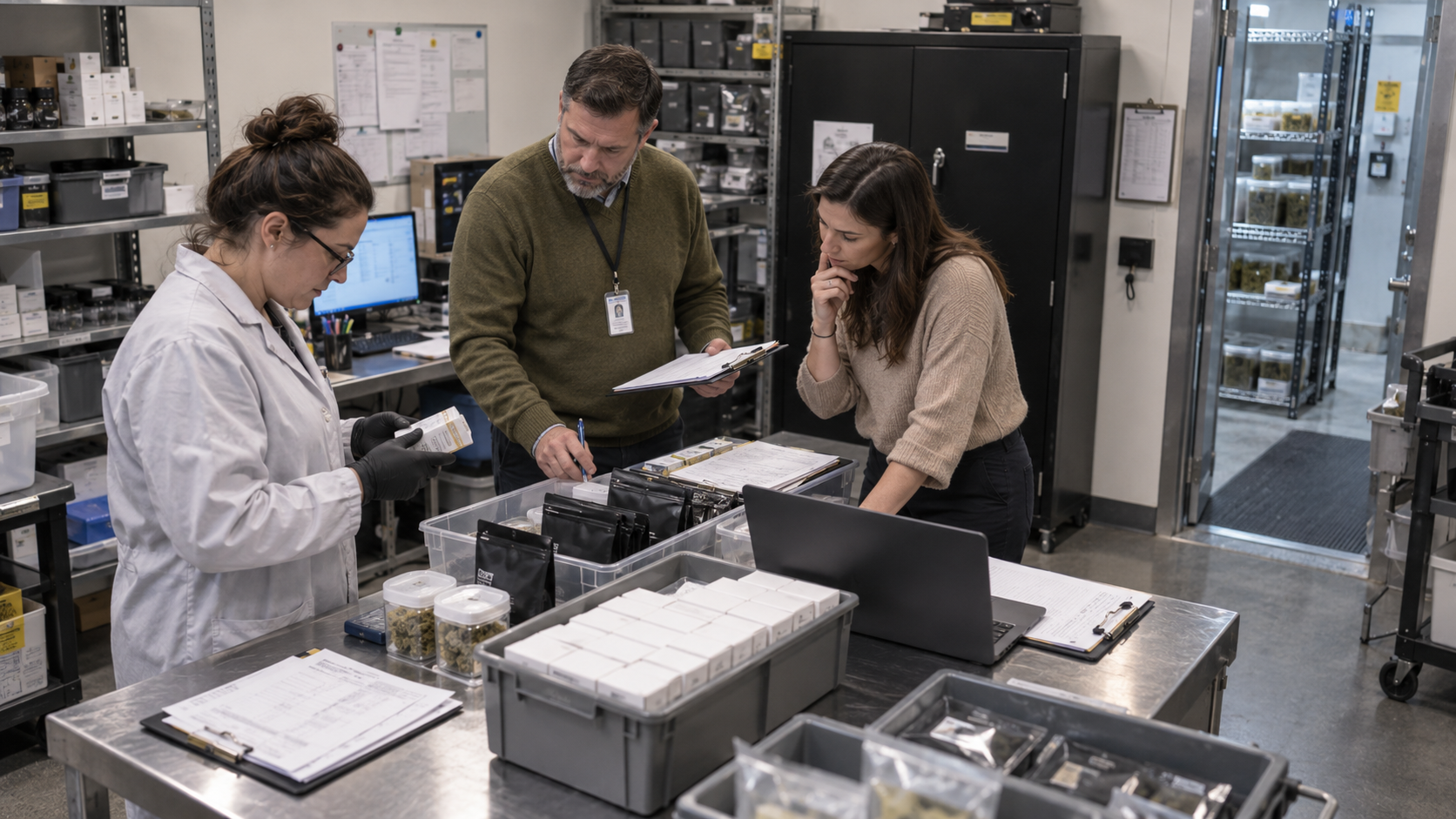
Pennsylvania cannabis inspection and enforcement review.
You might also like


SOURCES
Ganjapreneur, Pennsylvania Medical Cannabis Program Audit Calls For Increased Oversight, September 14, 2026
https://ganjapreneur.com/pennsylvania-medical-cannabis-program-audit-calls-for-increased-oversight/
Pennsylvania Department of the Auditor General, Performance Audit Of Pennsylvania's Medical Cannabis Program, September 9, 2026
The official audit identified two findings and nine recommendations involving inspections, enforcement, complaints, and plans of correction.
Pennsylvania Department of Health, Medical Cannabis Program
https://www.pa.gov/agencies/health/programs/medical-marijuana
The Department of Health provides the state's official medical cannabis program information, regulations, complaint resources, and operator guidance.

A Pennsylvania performance audit found weaknesses in medical cannabis inspections, complaint handling, enforcement documentation, and corrective action oversight. The findings could lead to more standardized regulatory reviews and make strong operator records, SOPs, training, and internal compliance systems increasingly important.