
Science & Research
Featured



A study of 4,516 people found that 65 percent reported drinking less alcohol while consuming cannabis beverages, with participants also reporting changes in sleep, mood, anxiety, and pain. The findings strengthen the cannabis beverage opportunity while increasing pressure around dosage, consumer education, product claims, regulation, and responsible marketing.
Canadian research found cannabis only use and combined cannabis and antidepressant use increased after legalization, with women showing a particularly strong shift toward cannabis relative to antidepressant use. The findings raise questions around patient education, medication interactions, mental health product claims, clinical guidance, and responsible cannabis access.
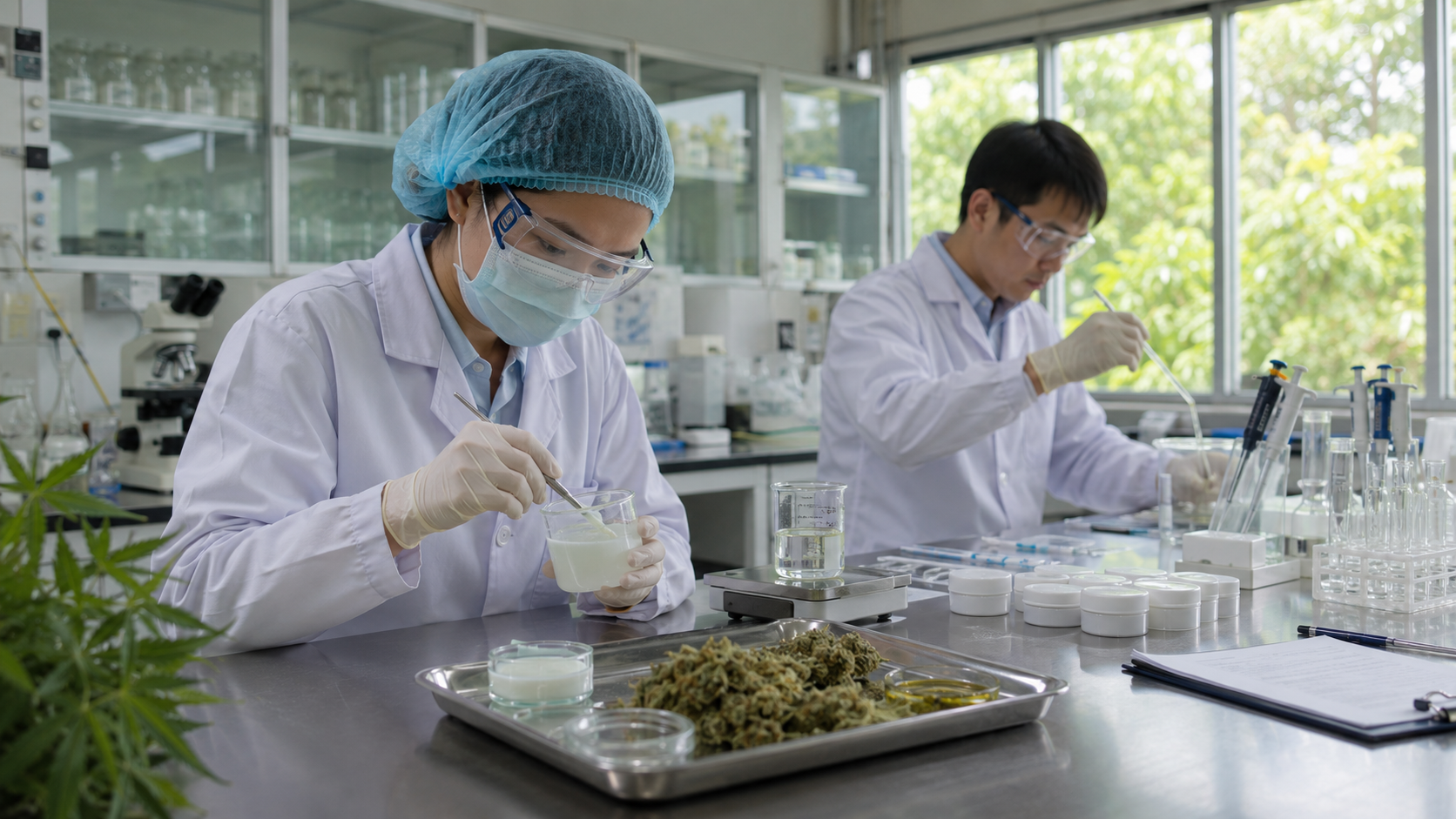
A Thailand study from researchers affiliated with Chulalongkorn University tested a CBD loaded topical gel for inflammatory acne and reported a 46 percent reduction in lesion size by day seven. The bigger lesson is that CBD research is moving deeper into dermatology, but operators still need clinical validation, careful product claims, compliant labeling, and strong formulation records.
Business of Cannabis reported early lab findings showing a cannabis native flavonoid, cannflavin A, inhibited cancer cell growth by more than 90 percent in some aggressive cancer models. The bigger lesson is that medical cannabis research is moving into biotech and pharmaceutical territory, but clinical validation, IP control, funding, and regulatory approval still decide whether early science becomes medicine.
A new survey found that 15.8 percent of arthritis patients had used cannabis in the past year to control pain, while 26.3 percent had previously used cannabis for medical purposes. The bigger lesson is that patient demand continues to grow, but medical cannabis access still needs responsible education, physician guidance, product quality, and compliant claims.
Federal delays in Schedule I research reforms are more than paperwork. They slow cannabis medical legitimacy, dosing standards, and the confidence insurers and mainstream capital need to support the market long term.
A new U.S. field trial is exploring whether hemp-derived biosolids can be used as sustainable fertilizer. If successful, the approach could reduce waste, lower operating costs, and improve soil health across large-scale cannabis and hemp cultivation.
A new Mass General Brigham study found that adolescent cannabis use increased after Massachusetts’ legalization, along with higher psychiatric emergency visits among youth. The findings highlight the need for responsible regulation, education, and safeguards as legal markets expand.
Brazil has approved Embrapa — the country’s premier agricultural research agency — to conduct long-term cannabis research, develop a national seed bank, and engineer industrial hemp varieties. The move positions Brazil as an emerging player in global cannabis science and future hemp export markets.
A new federal spending bill includes language banning many synthetic cannabinoids, closing a loophole in the 2018 Farm Bill that enabled a booming intoxicating-hemp market. The move marks a major federal shift and will reshape hemp-THC businesses nationwide.
Researchers found that biogenic silver nanoparticles can trigger cannabis cell cultures to produce measurable THC and CBD even when untreated cells produce none. The early research could eventually influence cannabinoid manufacturing, pharmaceutical supply, quality control, intellectual property, and the economics of traditional cultivation.