
Puro Risk Insights Blog
Our blog is an educational hub for clear and timely insights on the cannabis and hemp industry.
We simplify insurance topics regulatory updates and real world risks into easy to understand content for operators at every stage.
From cultivation to retail we provide practical guidance coverage education and market insights to help you stay compliant protected and informed so you can make smarter and more confident decisions.
ON THE BLOG
CATEGORIES
FEATURED POST
Recent Industry Updates



All Articles
Browse our complete collection of cannabis and hemp insights below. This page brings together all published articles covering policy and regulation, business and economy, legal and justice, industry innovation, and culture and community. Each post is created to educate and inform operators and industry stakeholders by breaking down complex topics into clear, practical insights. Scroll down to explore the full library and stay informed on the issues shaping the industry.

Minnesota Cannabis Sales Pass $250 Million In First Year
Minnesota surpassed $250 million in cannabis sales during its first full year of statewide licensed retail, while cultivation capacity and social equity participation expanded rapidly. The next test is whether rising supply can improve product availability without putting unsustainable pressure on smaller operators and margins.

Pennsylvania Medical Cannabis Audit Calls For Stronger Oversight
A Pennsylvania performance audit found weaknesses in medical cannabis inspections, complaint handling, enforcement documentation, and corrective action oversight. The findings could lead to more standardized regulatory reviews and make strong operator records, SOPs, training, and internal compliance systems increasingly important.

Maine Expands Free Cannabis Safe Storage Program
Maine is distributing 12,000 free lockable cannabis storage bags through retailers, caregivers, and public health partners as part of its Safe Storage for ME initiative. The expanded program gives licensed businesses a direct role in consumer education, child safety, responsible storage, and community trust.

Can The U.S. Cannabis Industry Catch Up Internationally?
The United States has one of the world's largest cannabis markets but remains a minor participant in international medical cannabis trade. Federal medical rescheduling could create new opportunities, but U.S. operators still face established foreign competitors, pharmaceutical quality standards, permitting requirements, logistics costs, and growing domestic production in importing markets.

DEA Transcript Moves Federal Cannabis Rescheduling Toward Recommendation
DEA has released the complete 2,533 page transcript from 11 days of federal cannabis rescheduling hearings as the administrative law judge prepares a recommendation. The record moves the process closer to a decision while operators continue facing uncertainty around 280E, federal compliance, medical cannabis strategy, research, and investment timing.

Canada Still Dominates Global Cannabis Exports As Europe Gains Ground
Canada remains the world's largest medical cannabis exporter, but growing European production is beginning to challenge its lead. Germany's expanding market, Portugal's rapid export growth, stricter pharmaceutical standards, reimbursement changes, and new lower cost suppliers are reshaping international cannabis competition.

Australian Medical Cannabis Supply Shifts As Thailand Gains Ground
Canada still supplies most of Australia's imported medical cannabis, but Thailand rapidly gained market share in 2025 while Australian domestic production reached a new high. The shift shows an increasingly competitive supply chain where pricing, quality standards, contracts, inventory, and reliable international market access matter more.
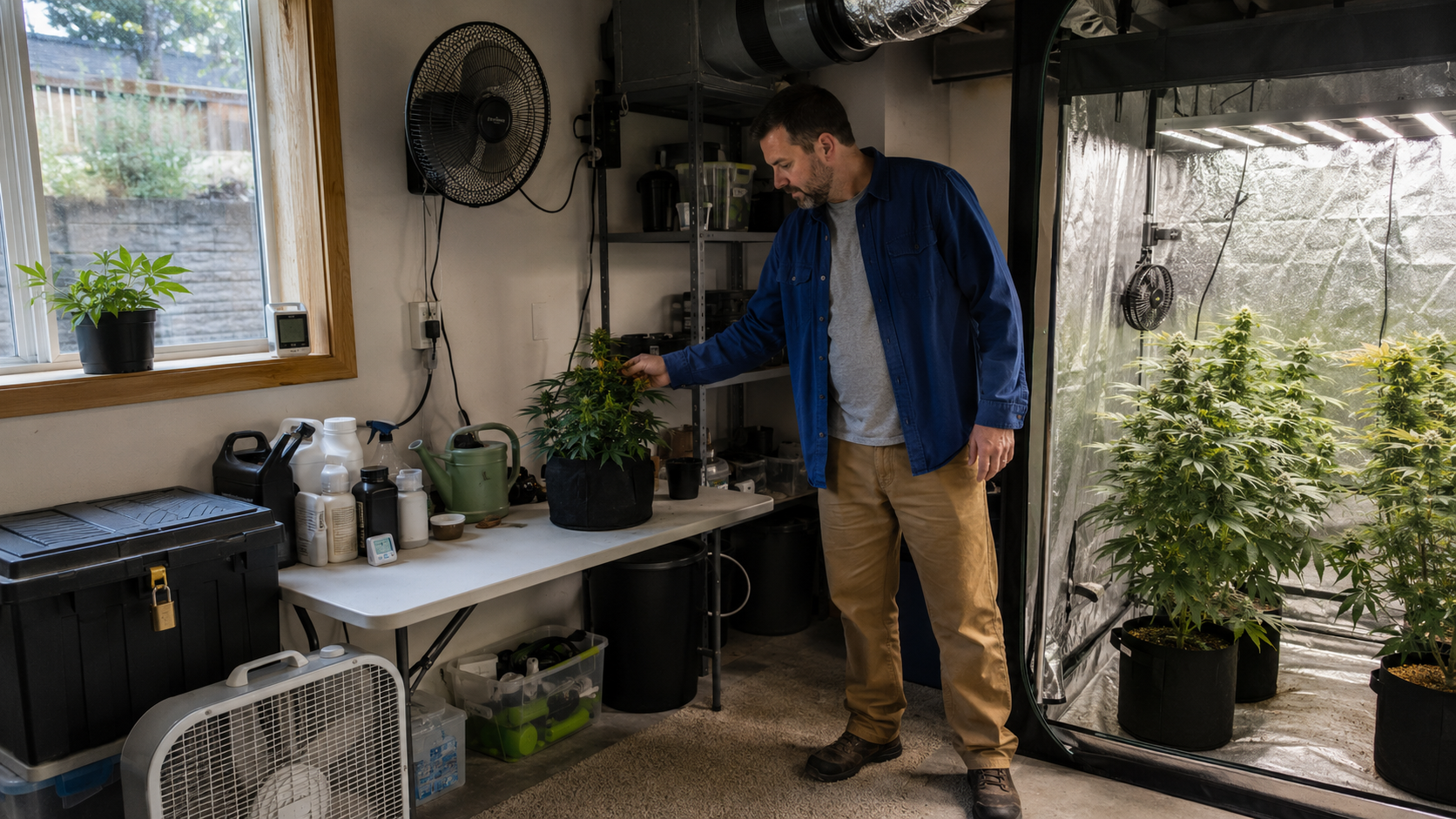
South Dakota Medical Cannabis Home Cultivation Surges
South Dakota medical cannabis home cultivation has increased more than 1,000 percent in four years, rising from 61 authorized patients to 715. The surge highlights growing pressure around affordability, patient access, dispensary strategy, cultivation oversight, and the balance between personal cultivation and the regulated commercial market.

Georgia Considers Mailing Medical Cannabis To Patients
Georgia is considering allowing licensed dispensaries to mail medical cannabis directly to registered patients within the state following new federal Schedule III treatment. The proposal could expand patient access dramatically, but operators still need clarity around DEA requirements, postal rules, carrier acceptance, tracking, security, and patient verification.

Illinois Adult Use Retailers Gain Medical Cannabis Permit Path
Illinois adult use dispensaries will be able to opt into medical cannabis licensing beginning September 10, opening new opportunities around patient access, retail sales, DEA registration, and federal tax planning. The bigger lesson is that cannabis license structure is becoming increasingly important as state medical programs interact with new federal Schedule III rules.
Disclaimer: All content on this site is for informational and educational purposes only. We share news, insights, and our own interpretations but do not claim ownership of third-party content, always crediting original sources with links. Views expressed in shared content do not necessarily reflect our own. For accurate and current information, please consult the original publisher.
Ready to review your cannabis coverage?
Call us on (323)905-3396
 or growth@cannashield.io
A federal crackdown could reshape an estimated $28 billion hemp THC market as businesses prepare for product restrictions, stranded inventory, reformulation costs, and major revenue disruption. Tennessee offers an early example of how quickly farmers, manufacturers, and retailers may need to pivot.