

Senate Hemp THC Delay Gives Operators A Short Lifeline
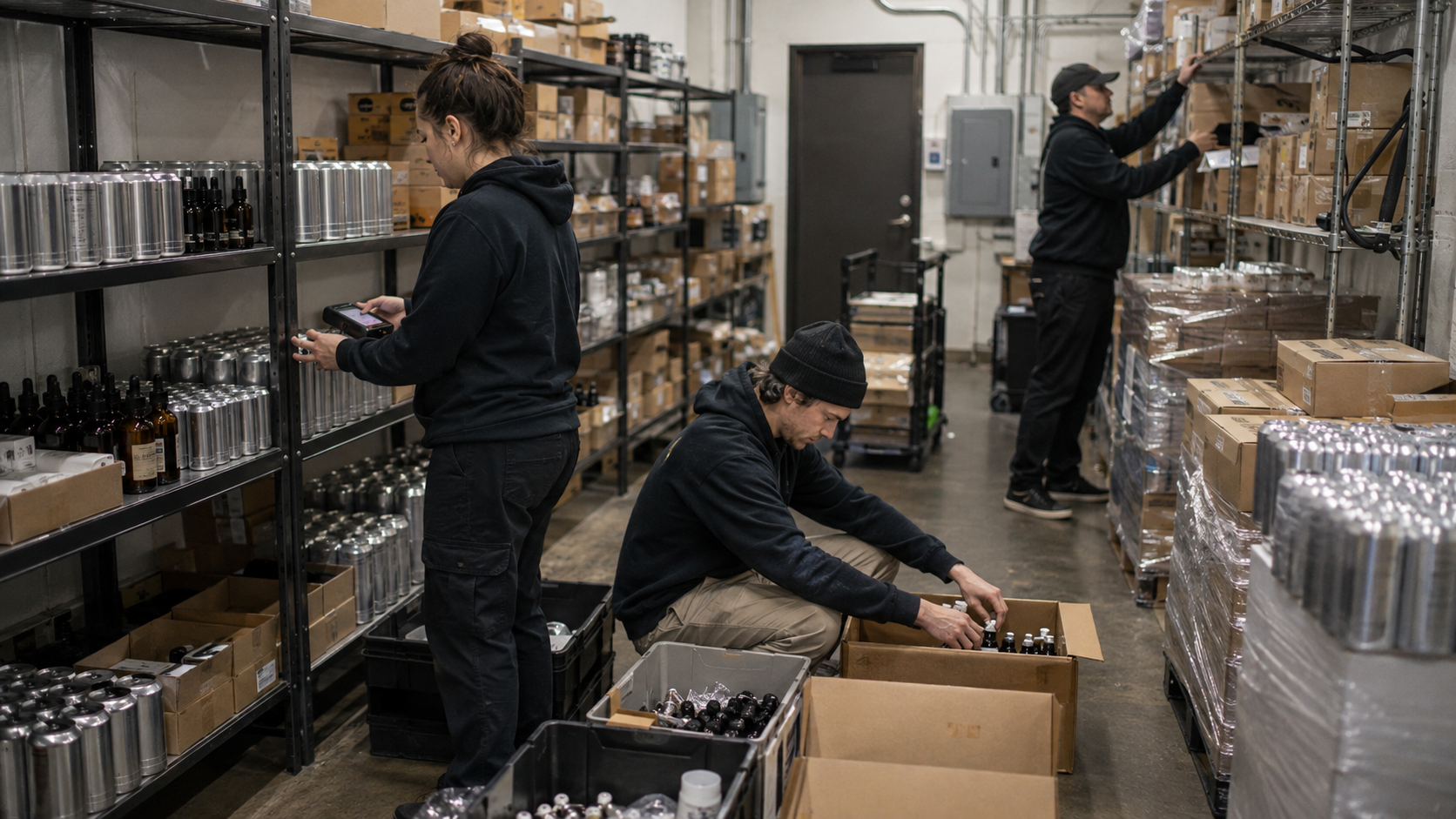
Staff reviewing hemp THC inventory and compliance in a warehouse
Hemp THC businesses may have a short federal lifeline, but not certainty. Marijuana Moment reports that Senate Appropriations leaders included language in a federal spending bill that would delay much of the planned federal recriminalization of hemp THC products until December 11, 2026. The proposal would still allow immediate recriminalization on November 12 for synthetic cannabinoids that cannot be naturally produced by the cannabis plant. For operators, manufacturers, retailers, investors, lenders, and compliance teams, this is not a full fix. It is a short window to prepare, lobby, and clean up product risk before the next deadline arrives.
Quick facts
• Senate Appropriations leaders included hemp THC delay language in a new federal spending bill
• The proposal would delay much of the planned federal hemp THC ban until December 11, 2026
• Synthetic cannabinoids that cannot be naturally produced by Cannabis sativa L. would still face the November 12, 2026 deadline
• The House passed its own funding bill without hemp delay language
• The Senate language would still need Senate approval, House approval, and presidential signature
• The current federal hemp change would exclude many final hemp derived cannabinoid products with more than 0.4 milligrams total THC and similar cannabinoids per container
• Hemp industry advocates say the delay would give Congress more time to develop a full regulatory framework
• The universal operator lesson is simple: a delay is not a compliance plan, it is time to build one
If federal hemp uncertainty is affecting your business plan, complete our quick Cannashield intake form so you can map product, inventory, contract, supply chain, and insurance exposure before the next deadline forces rushed decisions.
Why the Senate language matters
The Senate proposal matters because hemp THC operators were preparing for a hard November deadline. Without new congressional action, many hemp derived cannabinoid products would fall outside the federal hemp definition on November 12. That would create major exposure for beverage companies, edible makers, retailers, distributors, manufacturers, seed businesses, lenders, landlords, and investors.
The Senate language does not erase that risk. It pushes much of the risk into a later funding deadline, December 11, while preserving immediate action against certain synthetic cannabinoids. That means Congress may be trying to separate products it views as more concerning from products lawmakers may still want to regulate rather than ban.
For operators, the practical meaning is simple. The category may have more time, but not enough time to relax.
Why natural versus synthetic matters now
The distinction between naturally produced cannabinoids and synthetic products is becoming central. The spending bill language would keep the November 12 deadline for cannabinoids that are not capable of being naturally produced by the cannabis plant. That puts synthetic products in a higher risk category even if other hemp THC products receive a short delay.
Operators need to review product formulas carefully. A beverage, gummy, vape, tincture, or intermediate ingredient may have different exposure depending on the cannabinoids used, how they were made, what the label says, what the certificate of analysis shows, and whether the compound can be naturally produced by the plant.
This is the universal operator lesson. Federal hemp compliance is no longer only about delta 9 THC percentage. It is now about total THC, container limits, natural occurrence, synthesis, product format, and documentation.
Why the House still matters
The Senate language is not law yet. Marijuana Moment reports that the House passed its own continuing resolution without language to change the planned hemp ban. That means the Senate provision would still need to survive the Senate process, move through negotiations with the House, and reach the president.
That is important because operators should not treat the December 11 date as guaranteed. The delay could stay in the final bill, be changed, or be removed. Industry advocates may have gained leverage, but the final outcome still depends on Congress.
That uncertainty makes planning harder. Companies need to prepare for both scenarios. One scenario gives most hemp THC products a few extra weeks. The other keeps the November 12 cliff intact for many products.
Why inventory and contracts need immediate review
A short delay does not solve inventory exposure. Operators should still review what they have on hand, what is in production, what is already committed to distributors, and what is sitting in retail channels. Products that cannot legally move after the deadline may create losses, return disputes, vendor conflicts, lender concerns, and insurance questions.
Contracts matter just as much. Operators should review distribution agreements, retailer purchase orders, supplier agreements, co packing contracts, ingredient orders, private label arrangements, and any financing tied to hemp THC revenue. If the law changes, who carries the unsold product risk. Who pays for returns. Who absorbs destroyed inventory. Who controls consumer messaging.
If you need to organize product, inventory, contract, and insurance records before Congress decides the final language, use the Cannashield intake form to identify weak points and build a cleaner response file.
Conclusion
The Senate spending bill language gives hemp THC businesses a possible lifeline, but only a short one. It may delay much of the planned federal ban until December 11, while synthetic cannabinoids that cannot be naturally produced by the cannabis plant would still face the November 12 deadline.
For operators, manufacturers, retailers, investors, lenders, and compliance teams, the message is simple. Do not confuse delay with safety. Use the extra time to review product formulas, inventory, contracts, retailer strategy, supply chain records, and backup plans. The real fight is still whether Congress creates a workable federal regulatory framework before the next deadline arrives.
Educational note: This article is for education only and is not legal, regulatory, tax, financial, product safety, supply chain, criminal, or insurance advice.
What to do this week
• Separate products by natural cannabinoids, synthetic cannabinoids, and unclear formulation risk
• Identify which products could still face the November 12 deadline even if the delay passes
• Review inventory in warehouses, distributor accounts, retail stores, and production pipelines
• Check contracts for returns, cancellations, stranded inventory, destruction costs, and regulatory change language
• Track whether the Senate language survives negotiations with the House and final passage
• Build a short internal memo on November risk, December risk, product exposure, and lobbying priorities
FAQ
What did Senate leaders include in the spending bill?
They included language that would delay much of the planned federal recriminalization of hemp THC products until December 11, 2026.
Does the proposal delay everything?
No. Synthetic cannabinoids that cannot be naturally produced by Cannabis sativa L. would still face the November 12, 2026 deadline.
Is the delay already law?
No. The Senate language still needs to survive the legislative process, including House approval and presidential signature.
Why does the House matter?
The House already passed its own funding bill without hemp delay language, so the Senate provision must still be negotiated.
What should operators do now?
Operators should review product formulas, inventory, contracts, supply chain records, retailer plans, and enforcement exposure under both November and December scenarios.
What is the biggest operator takeaway?
A short delay may help, but hemp THC businesses still need a full compliance and contingency plan before Congress reaches the next deadline.
What this means for operators
Cannabis business news can quickly become an insurance, compliance, contract, renewal, or claims issue. If this topic could affect your operation, review your insurance setup before pressure shows up from a landlord, lender, carrier, contract partner, regulator, or claim.
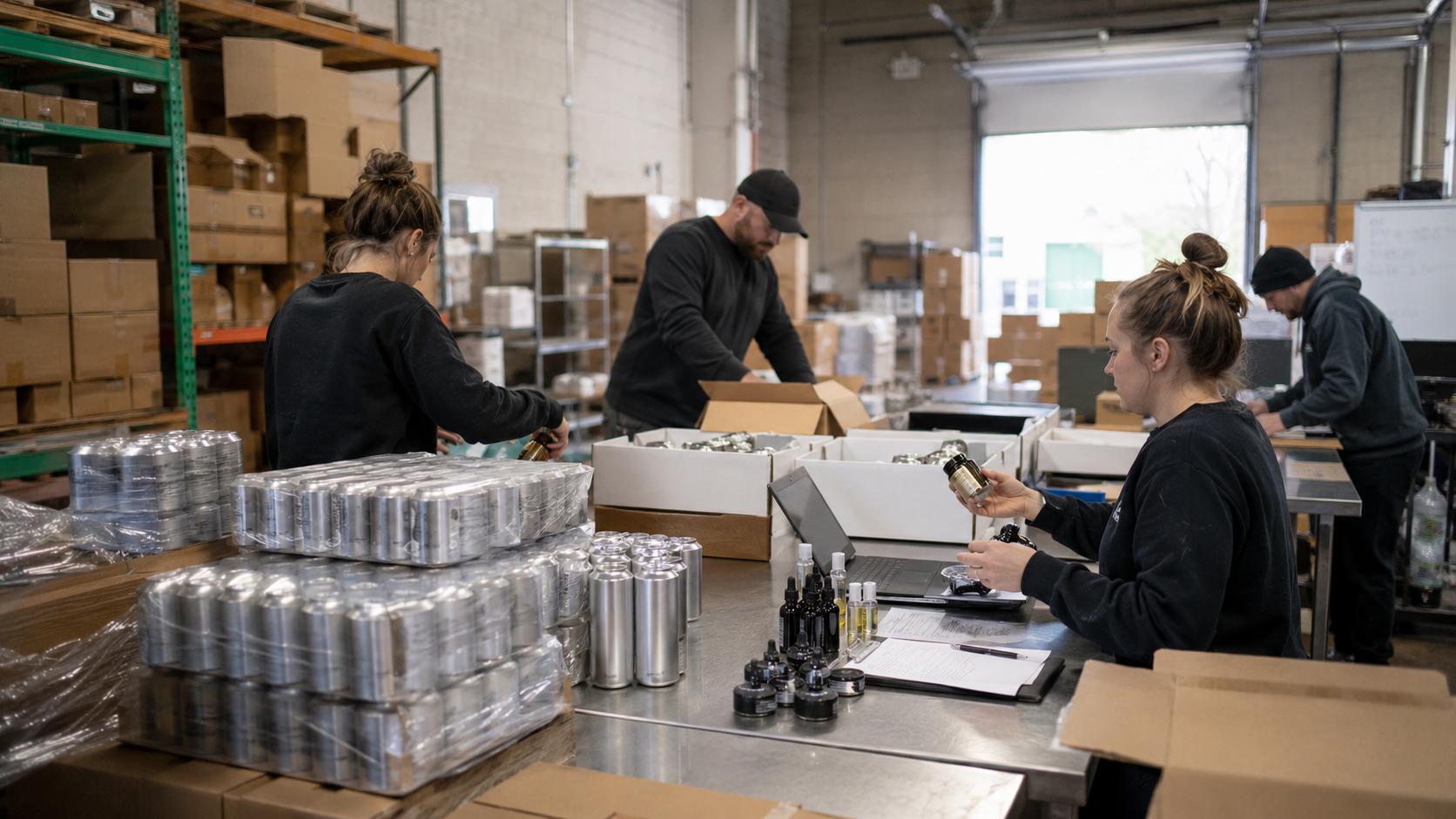
Hemp THC operators reviewing packaged inventory and product stock
You might also like
SOURCES
Marijuana Moment, Senate Gives Hemp THC Products A Lifeline By Including Provisions To Delay Planned Federal Ban In New Spending Bill
https://www.marijuanamoment.net/senate-gives-hemp-thc-products-a-lifeline-by-including-provisions-to-delay-planned-federal-ban-in-new-spending-bill/
U.S. Senate Committee on Appropriations, Bill Text: Continuing Appropriations and Extensions Act, 2027
https://www.appropriations.senate.gov/news/majority/bill-text-continuing-appropriations-and-extensions-act-2027
Congressional Research Service, Changes to the Statutory Definition of Hemp and Issues for Congress
https://www.congress.gov/crs-product/IF13136

Virginia has released draft adult use cannabis rules featuring a 350 store cap, limited large scale cultivation licenses, significant full scale licensing fees, and a lower cost microbusiness pathway. The draft gives operators their clearest look yet at how licensing, capital, property, cultivation, and market entry could work before sales begin in July 2027.