
SQDC Sales Growth Shows The Power Of Government Cannabis Retail
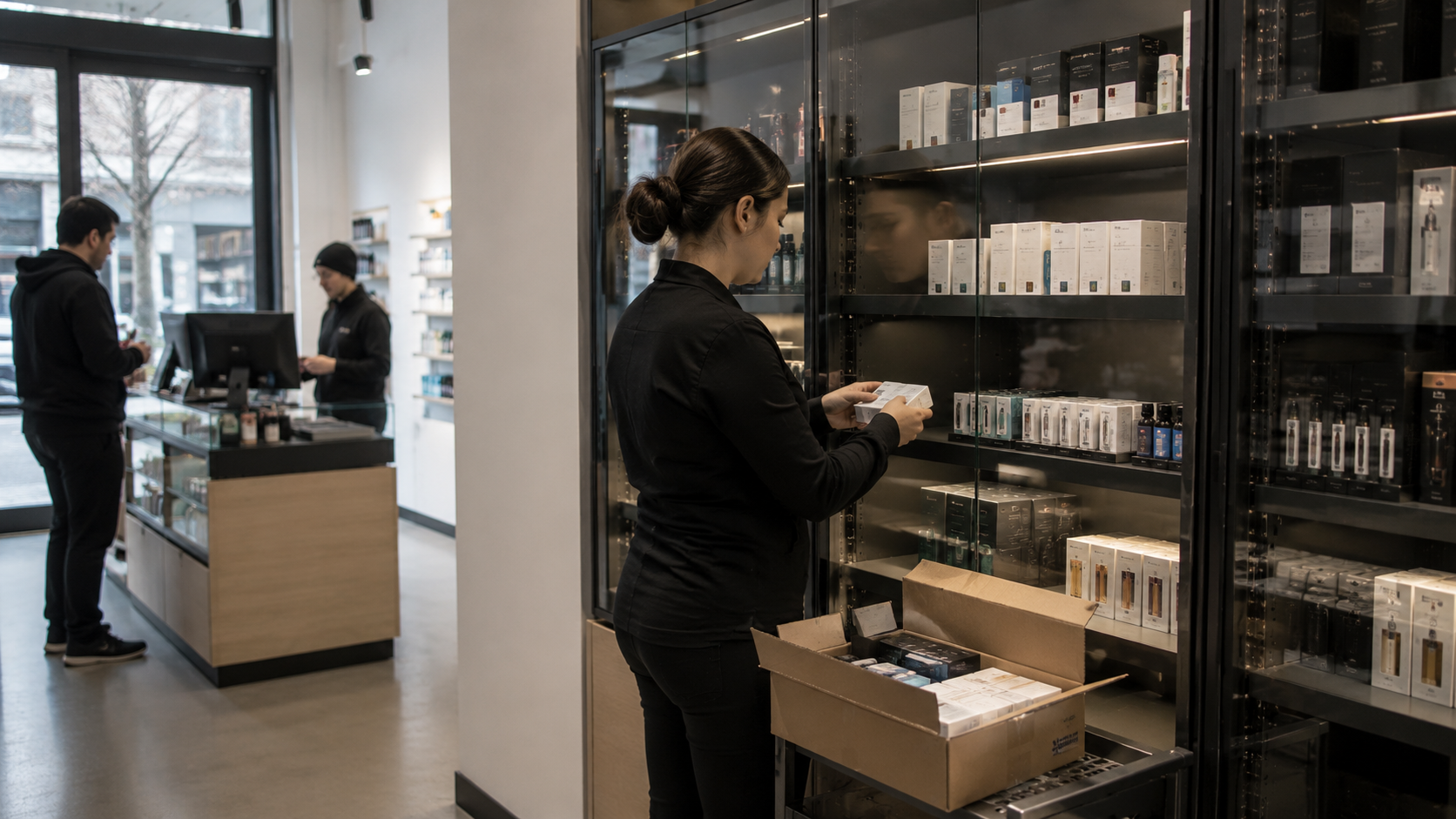
Professional reviewing SQDC cannabis sales and financial growth in Quebec.
Quebec cannabis retail sales continue to grow under a government run model. StratCann reports that the Société québécoise du cannabis, or SQDC, recorded $809.5 million in sales for the fiscal year ending March 28, 2026, with $132.4 million in net income and a total contribution of $331.3 million to the Quebec government. Sales volume reached 165,169 kilograms, up from 149,223 kilograms the prior year, helped by six new store openings and the launch of cannabis vape sales in November 2025.
Quick facts
• SQDC reported $809.5 million in sales for fiscal 2025 2026
• Net income reached $132.4 million
• Total contribution to the Quebec government reached $331.3 million
• Sales volume reached 165,169 kilograms of cannabis
• The prior year sales volume was 149,223 kilograms
• Growth was helped by six new store openings and the launch of cannabis vape sales
• Vape cartridge sales began in November 2025 and accounted for 6.5 percent of total sales after launch
• The universal operator lesson is simple: controlled retail models can still grow when access, pricing, and product formats evolve together
If retail expansion or product format changes are affecting your growth plan, complete our quick Cannashield intake form so you can map operational, product, and insurance exposure before new categories change customer behavior.
Why SQDC’s results matter
SQDC’s results matter because they show that government cannabis retail can keep growing without following the same path as private retail markets. Quebec does not operate like a wide open adult use retail state. The province controls retail through SQDC, limits certain product categories, and positions the system around health protection, customer guidance, and legal market capture.
That makes the growth signal more important. The increase was not driven only by hype or a sudden rush of new private stores. It came from controlled access, store expansion, lower average price per gram, product format changes, and continued movement from illicit channels into the regulated market.
Why vape access changed the conversation
The launch of vape sales in November 2025 is one of the most important product signals in the report. Quebec had long taken a cautious approach to cannabis vape products. Once SQDC began responsible vape sales, the category quickly became meaningful enough to represent 6.5 percent of total sales after introduction.
That matters for producers and regulators. Vape demand exists even in cautious markets. When a province restricts a category, consumers may still seek it elsewhere. When the regulated market opens a controlled pathway, some of that demand can move into legal channels.
This is the universal operator lesson. Product access is not just a sales issue. It is a legal market capture tool.
If uncertainty around vape category access, product approvals, or retailer demand is affecting how you plan, complete our Cannashield questionnaire to pressure test your exposure before new product formats reshape the market.
Why price pressure still matters
SQDC processed 20.5 million transactions through its 110 stores and website, compared with 18.8 million the prior year. The average sales price across all cannabis products was $5.63 per gram, taxes included, down from $5.71 the year before. That is a small price move, but it matters.
Legal cannabis has to compete with the illicit market. If prices stay too high, some consumers leave the legal channel. If prices move lower while product access improves, the legal system becomes more competitive. But producers and operators still have to watch margin pressure. A growing retail system can still create pressure upstream if price expectations keep tightening.
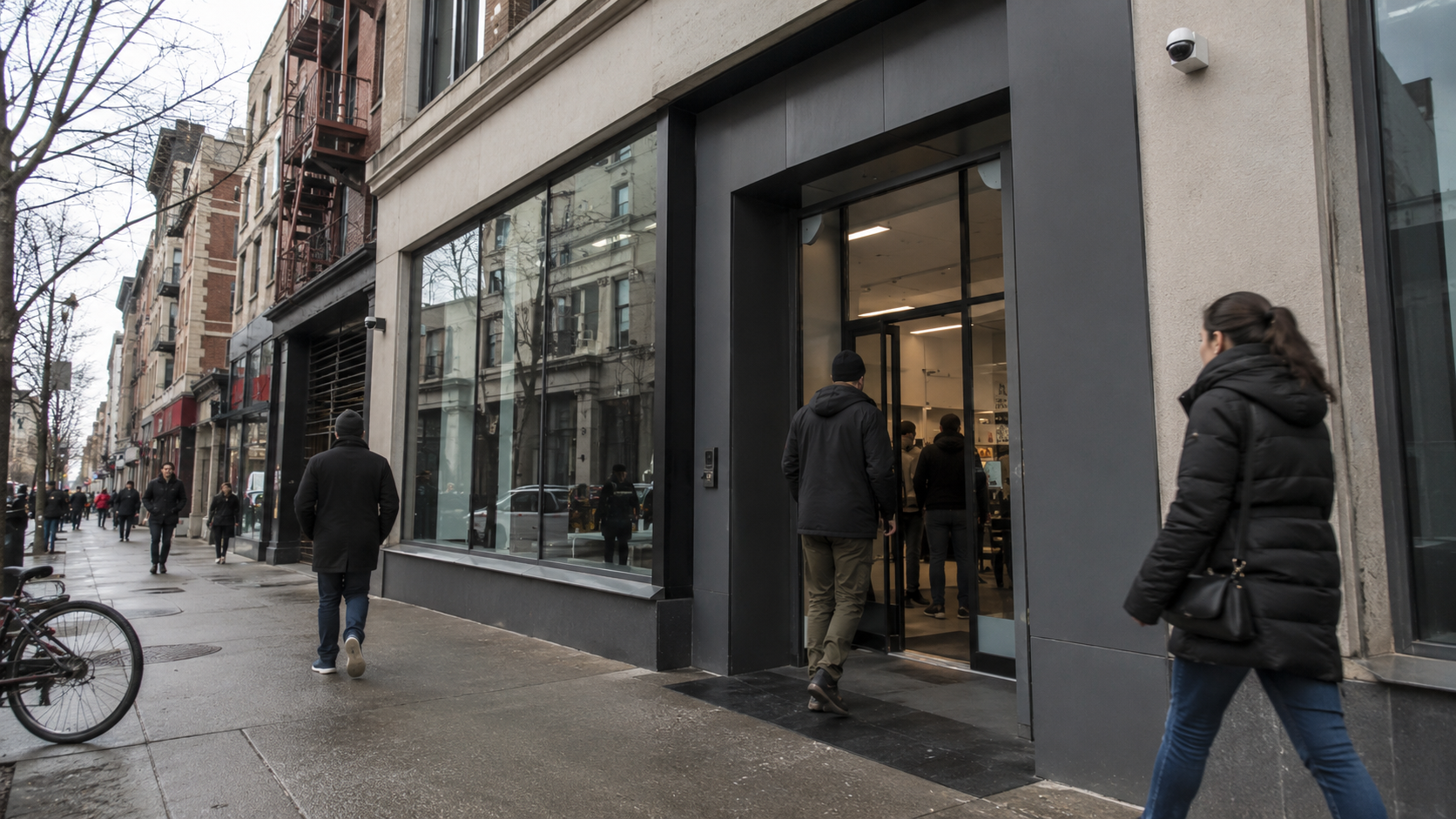
Customers entering a Quebec cannabis store during SQDC retail expansion.
The government revenue signal
The government revenue piece is also important. SQDC reported $278.8 million in consumption taxes and excise duties, with $198.9 million going to Quebec and $79.9 million to the federal government. Combined with the dividend, the total contribution to Quebec reached $331.3 million.
That gives government retailers a different incentive structure than private operators. The goal is not only sales growth. It is also legal market participation, public revenue, prevention funding, research, and consumer guidance. SQDC said $250.6 million will be transferred to Quebec’s Addiction Prevention Fund.
If you need to organize retail, product, tax, and insurance records before entering or expanding in controlled markets, use the Cannashield intake form to identify weak points and build a clearer operating file.
You might also like

Conclusion
SQDC’s fiscal 2025 2026 results show how a government run cannabis retailer can continue growing through store expansion, product format changes, legal market capture, and disciplined pricing. The launch of vape sales also shows how a cautious market can still adjust when consumer demand becomes too important to ignore.
For operators, producers, investors, regulators, and compliance teams, the message is simple. Quebec is not just a sales story. It is a model story. Controlled retail can still grow, but businesses need to understand how access, pricing, product approvals, public revenue, and government expectations shape the market.
Educational note: This article is for education only and is not legal, regulatory, financial, tax, public policy, or insurance advice.
What To Do This Week
• Review which product formats are gaining access in controlled cannabis markets
• Compare your pricing strategy against legal market capture goals
• Track vape category adoption in provinces that previously restricted access
• Review whether public retail models create different expectations for producers
• Monitor government revenue targets and prevention funding tied to cannabis sales
• Build a short internal memo on Quebec retail growth, vape access, and pricing pressure
FAQ
What did SQDC report for fiscal 2025 2026?
SQDC reported $809.5 million in sales and $132.4 million in net income.
How much did SQDC contribute to the Quebec government?
SQDC reported a total contribution of $331.3 million to the Quebec government.
How much cannabis did SQDC sell?
Sales volume reached 165,169 kilograms, compared with 149,223 kilograms the prior year.
What helped drive growth?
Growth was helped by six new stores and the launch of cannabis vape sales in November 2025.
Why does vape access matter?
Vape products quickly became a meaningful category and helped move demand into the legal market.
What is the biggest operator takeaway?
Controlled retail markets can still grow when access, pricing, product formats, and legal market capture move together.
SOURCES
StratCann, SQDC Reports $809.5 Million in Sales in 2025
https://stratcann.com/news/sqdc-reports-809-5-million-in-sales-in-2025/
Société québécoise du cannabis, The SQDC reports net income of $132.4 million for fiscal 2025 2026
https://www.newswire.ca/news-releases/the-sqdc-reports-net-income-of-132-4-million-for-fiscal-2025-2026-827257927.html
Société québécoise du cannabis
https://www.sqdc.ca/en-CA/

Minnesota surpassed $250 million in cannabis sales during its first full year of statewide licensed retail, while cultivation capacity and social equity participation expanded rapidly. The next test is whether rising supply can improve product availability without putting unsustainable pressure on smaller operators and margins.