
Industry & Innovation
Featured












Great Britain is moving toward its first formal CBD novel food authorizations, with three applications linked to approximately 3,000 existing products. The shift could create clearer market access while increasing pressure around ingredient sourcing, testing, labeling, daily intake guidance, and controlled cannabinoid limits.
California has signed new cannabis packaging and advertising rules that more clearly define designs considered attractive to children. The law gives operators until January 1, 2028 to prepare for tighter standards involving cartoons, sweets, children's entertainment, stylized fruit imagery, typography, and product imitation.
Viola co founder Al Harrington says sweeping federal hemp restrictions could punish compliant operators just as THC beverages move deeper into mainstream retail. The bigger business issue is whether companies can manage reformulation, packaging, distribution, inventory, and compliance while federal and state rules continue changing.
Distressed cannabis cultivation facilities are attracting interest from data center developers because many already contain valuable electrical, cooling, climate, and security infrastructure. The opportunity is real but selective, with power capacity, fiber access, zoning, property size, and location determining whether an alternative use can actually work.
Georgia is considering allowing licensed dispensaries to mail medical cannabis directly to registered patients within the state following new federal Schedule III treatment. The proposal could expand patient access dramatically, but operators still need clarity around DEA requirements, postal rules, carrier acceptance, tracking, security, and patient verification.
Cannabis operators are increasingly treating customer and patient data as a competitive asset that can guide product decisions, marketing, inventory, and expansion. In mature markets, the businesses that understand acquisition cost, customer behavior, product performance, and margins may have a stronger advantage than those focused on growth without measurement.
California regulators approved Perfect Union Northside in Sacramento to keep using an RFID powered self checkout system that connects with point of sale software and Metrc. The bigger lesson is that cannabis retail is starting to modernize around automation, inventory visibility, age gated checkout, loss prevention, and compliance friendly convenience.
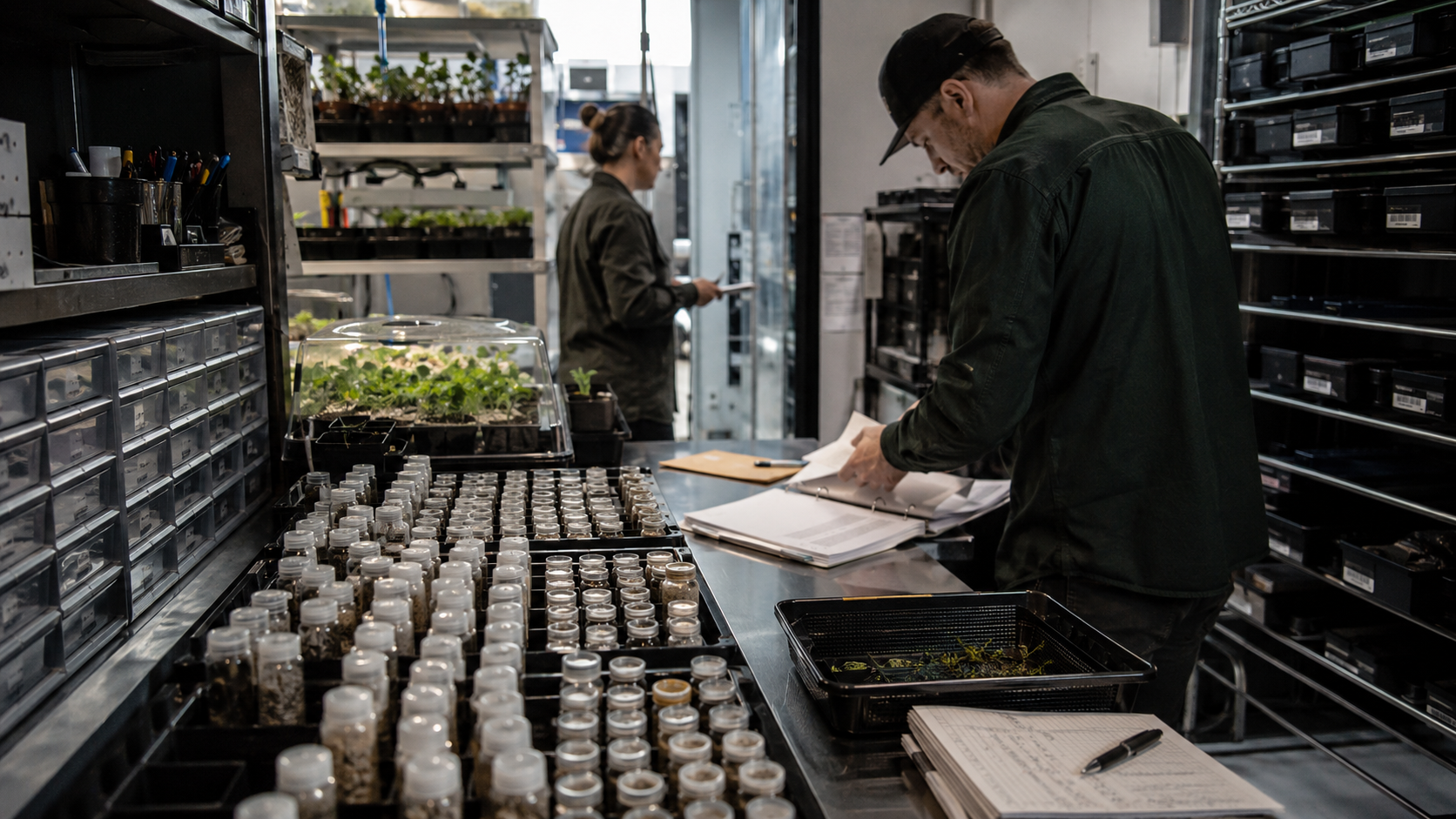
Federal hemp restrictions taking effect November 12, 2026 could disrupt cannabis seed banks, clone distribution, breeding programs, and genetics supply chains. The bigger lesson is that compliance pressure is moving upstream from finished hemp products into the genetics layer that cultivators rely on for product consistency and long term market differentiation.
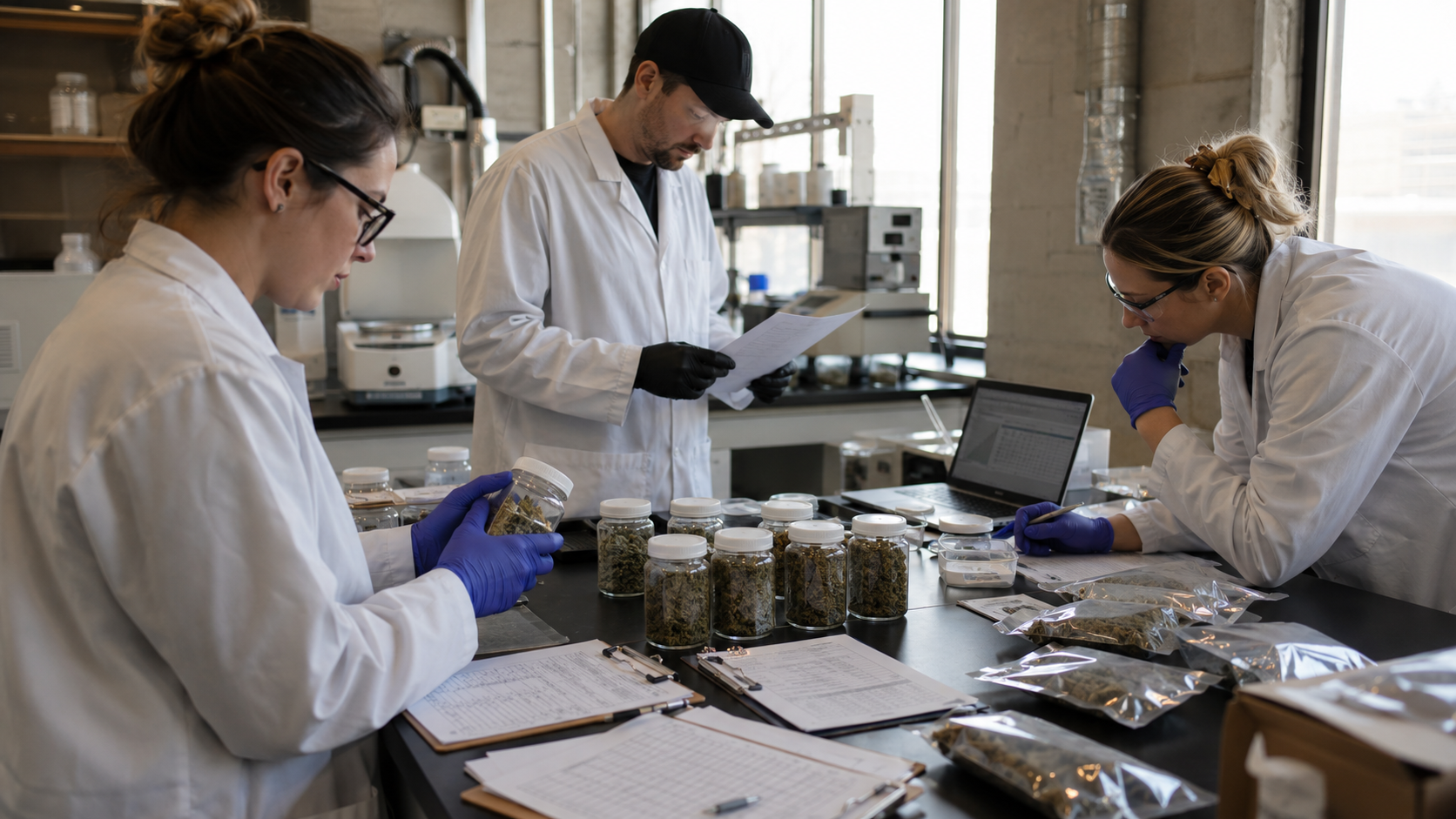
Oklahoma’s cannabis market continues to face THC potency inflation, lab shopping, unsafe product concerns, and delays tied to the state’s reference lab. The bigger lesson is that weak lab oversight can distort product value, create recall exposure, reward bad operators, and punish compliant businesses.
AGLC is moving Alberta toward a consignment distribution model that would let suppliers keep ownership of cannabis inventory while products sit in the provincial warehouse. The bigger lesson is that supply chain reform can improve flexibility, but it can also shift payment timing, inventory risk, and working capital pressure onto suppliers.
New research suggests CBD derived material could help create recyclable hemp based thermoplastics with performance traits strong enough for packaging and industrial use. The bigger lesson is that hemp may have a larger future in sustainable materials, industrial partnerships, and supply chain innovation beyond retail products.
Automation and AI are moving deeper into cannabis operations, from cultivation and packaging to retail. But even as kiosks and robotics expand, budtenders still shape many buying decisions, which means the real opportunity is blending efficiency with human trust.
Safe Harbor launched a pooled employer 401(k) plan built for state legal cannabis employers, addressing a benefits gap that has caused real continuity problems for some operators. The bigger lesson is that cannabis businesses are being pushed to professionalize not just banking and compliance, but workforce benefits too.
NCS Analytics launched NCS Thea to help banks and credit unions underwrite cannabis loans using verified operational and compliance data. The bigger lesson is that cannabis lending may start normalizing first through smaller retail and dispensary loans backed by cleaner data.
Story Cannabis will stop accepting products tested by two Arizona cannabis laboratories after regulatory findings involving testing accuracy and potency. The decision shows how laboratory quality can affect retail access, inventory, supplier trust, product liability, and consumer confidence even beyond minimum state testing requirements.