
Business & Economy
Featured
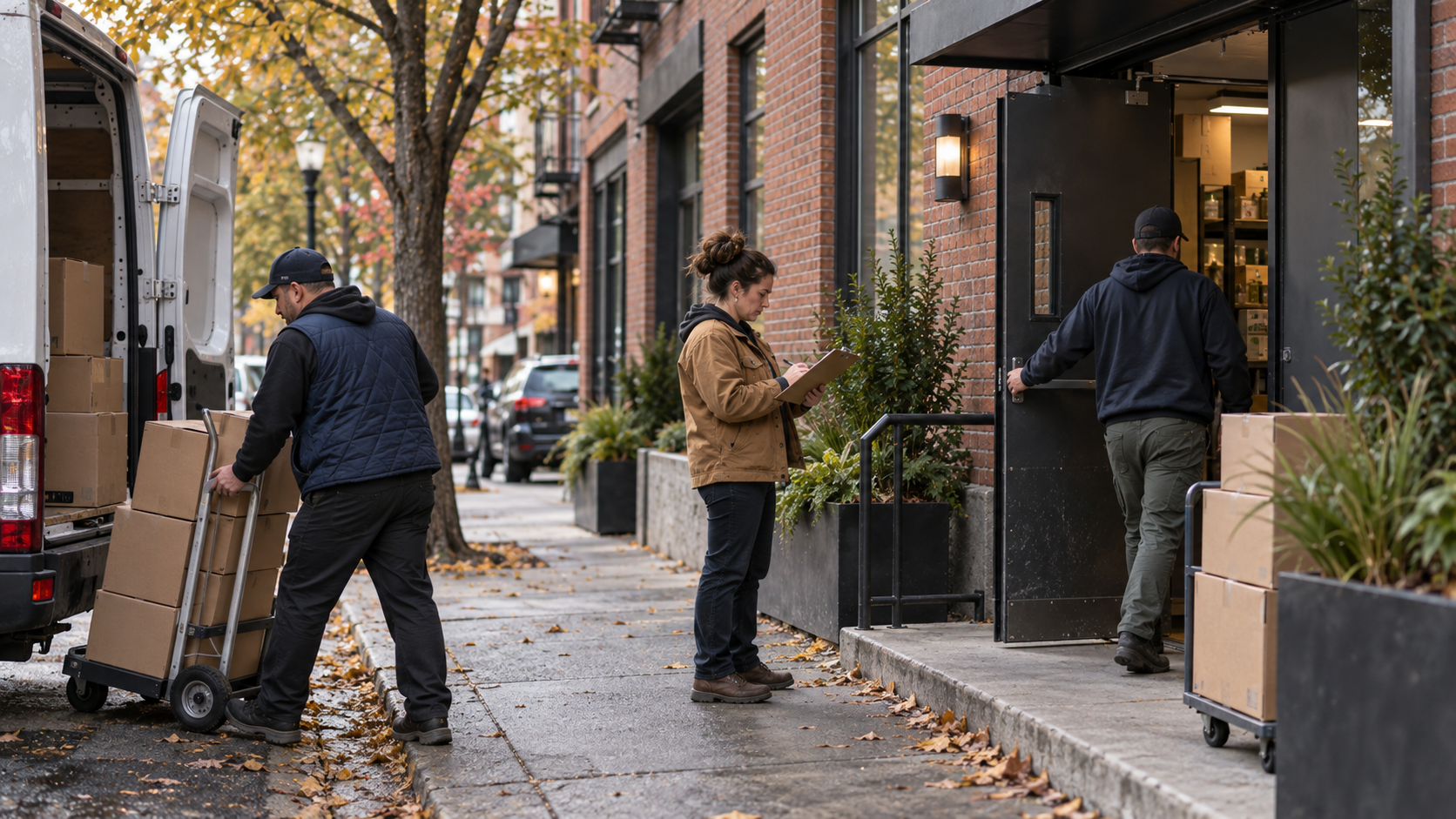







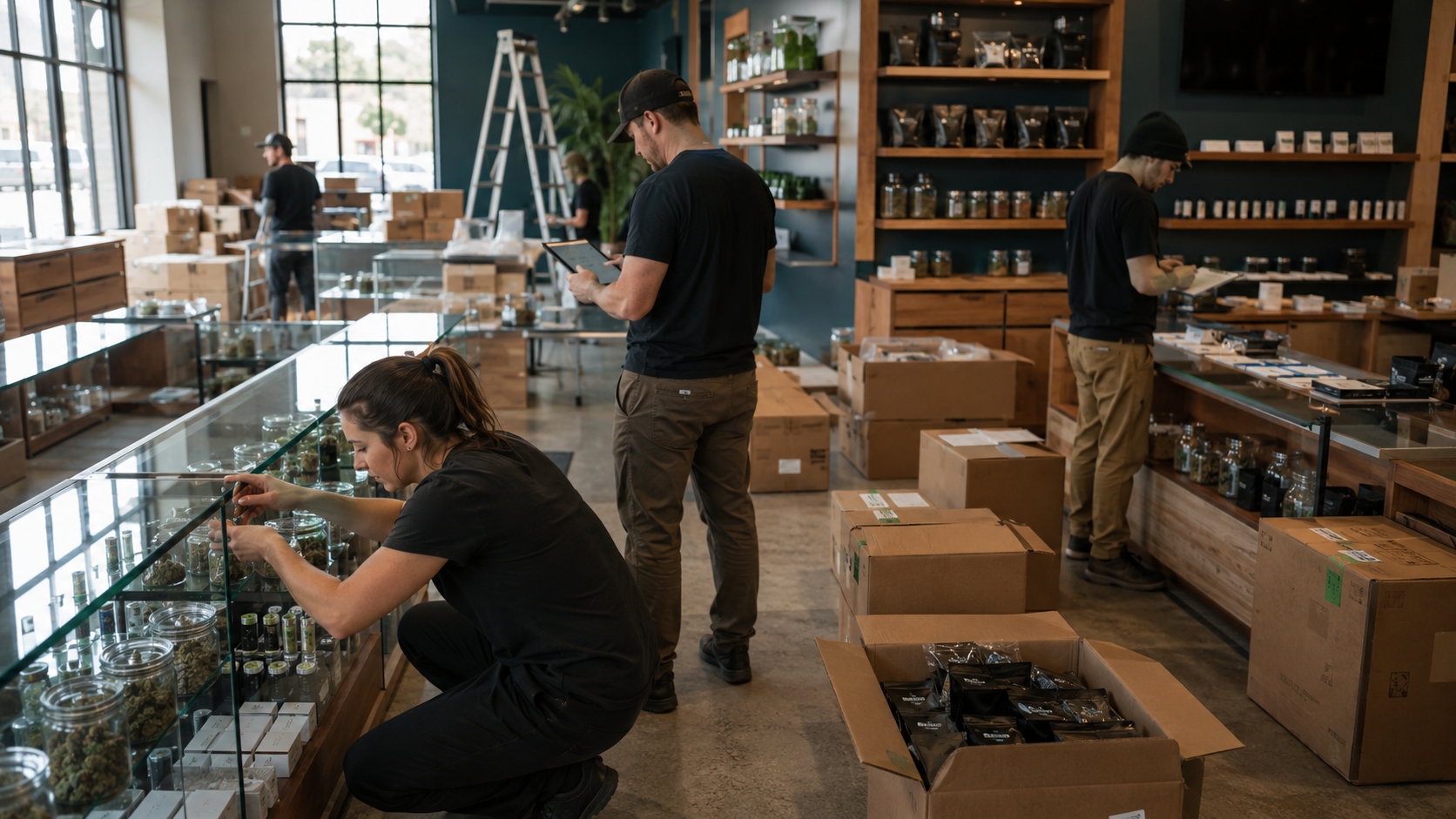
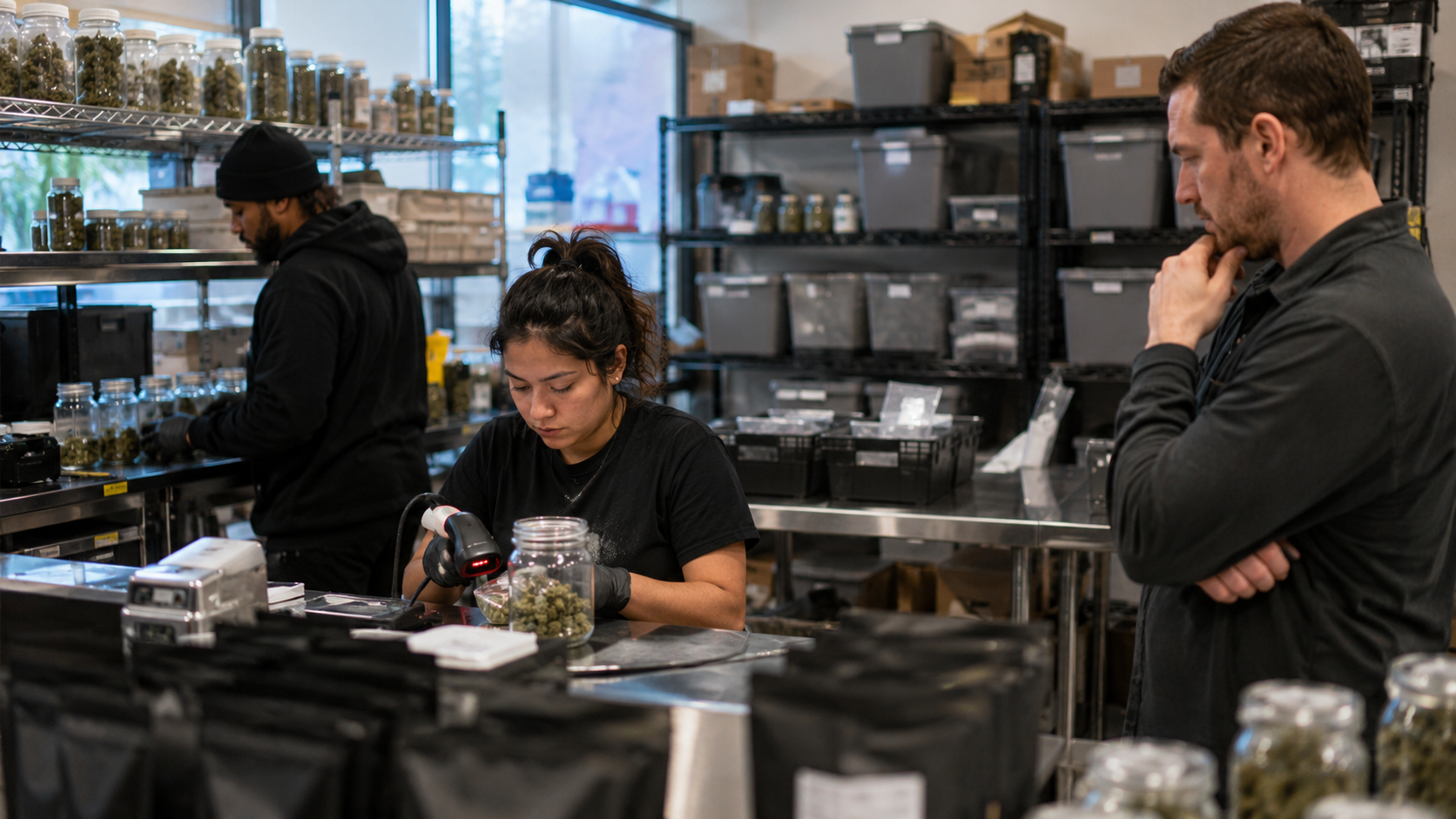
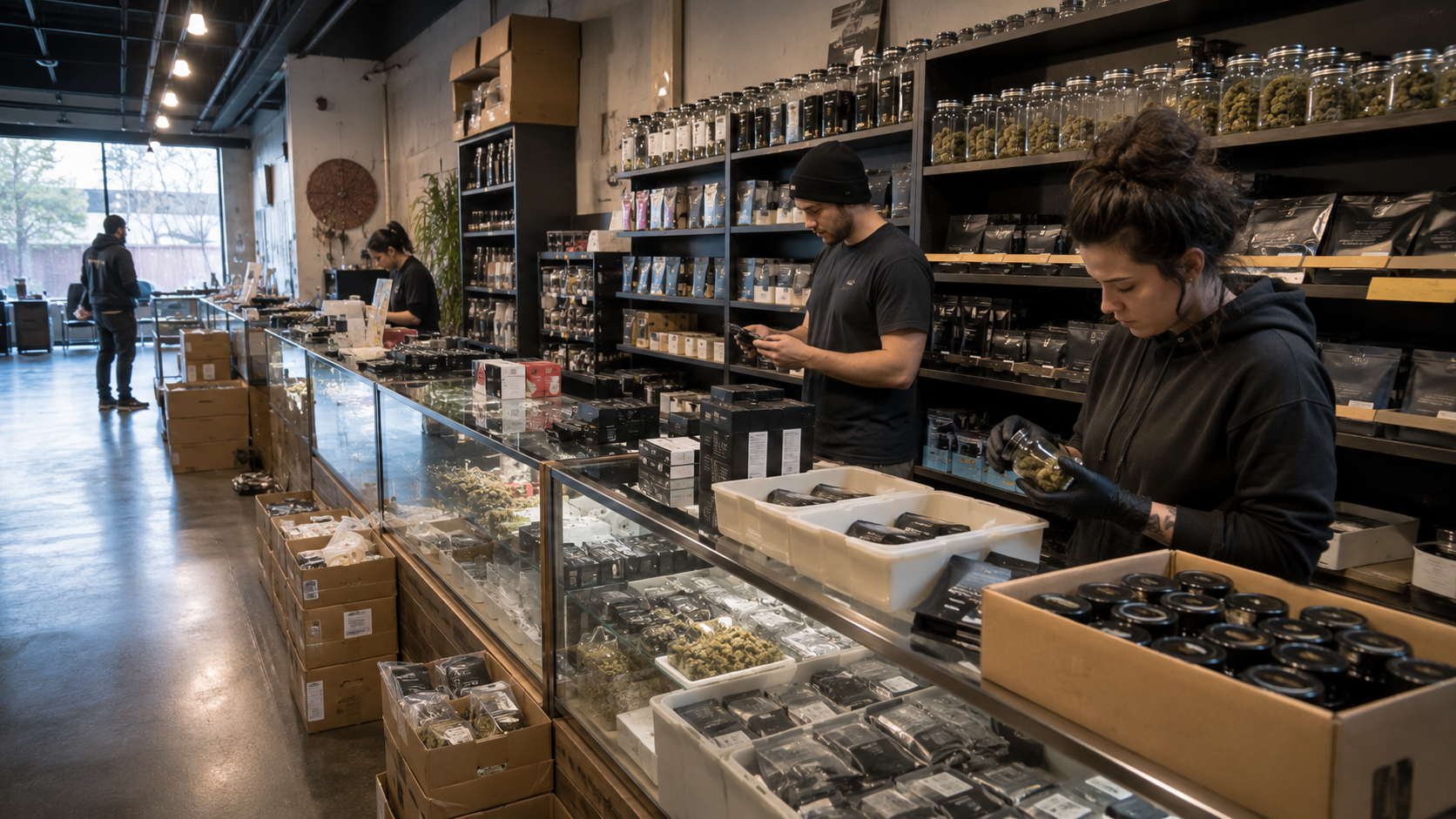


Massachusetts adult use cannabis sales have passed $10 billion as voters prepare to decide whether to repeal the regulated retail market. The milestone highlights how much is now at stake for operators, employees, municipalities, tax revenue, licenses, property, and investor confidence.
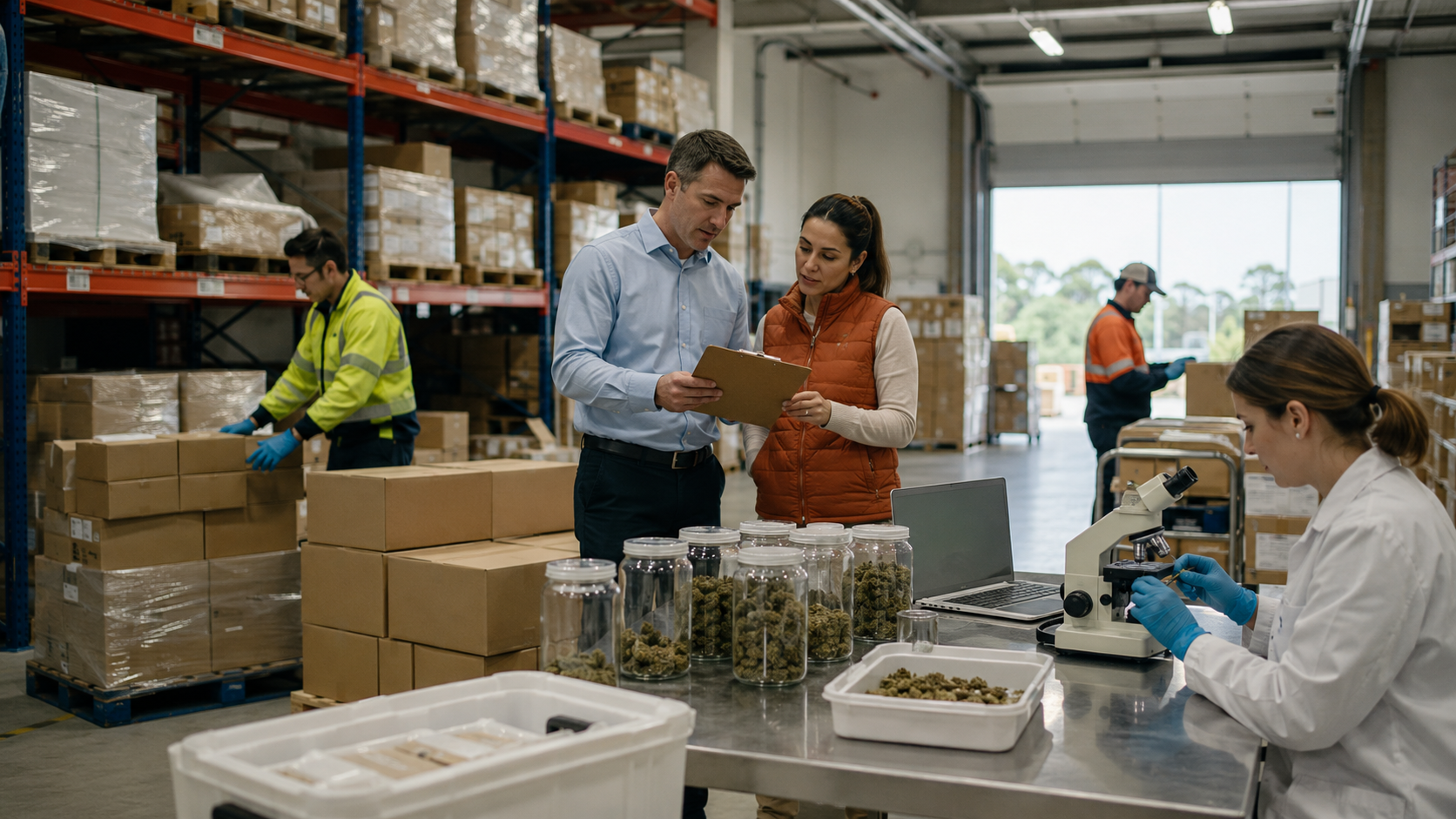
The United States has one of the world's largest cannabis markets but remains a minor participant in international medical cannabis trade. Federal medical rescheduling could create new opportunities, but U.S. operators still face established foreign competitors, pharmaceutical quality standards, permitting requirements, logistics costs, and growing domestic production in importing markets.
U.S. Eagle Federal Credit Union is leaving cannabis banking in New Mexico after seven years, citing increased competition rather than weak demand. The exit shows how mature cannabis markets are shifting from basic banking scarcity toward competition around service, compliance, cash management, lending, and financial strategy.
Canada remains the world's largest medical cannabis exporter, but growing European production is beginning to challenge its lead. Germany's expanding market, Portugal's rapid export growth, stricter pharmaceutical standards, reimbursement changes, and new lower cost suppliers are reshaping international cannabis competition.
Canada still supplies most of Australia's imported medical cannabis, but Thailand rapidly gained market share in 2025 while Australian domestic production reached a new high. The shift shows an increasingly competitive supply chain where pricing, quality standards, contracts, inventory, and reliable international market access matter more.
New Mexico cannabis sales remain steady as Texas border communities help support demand, but heavy retail density and lower average transactions are increasing pressure on margins. The market shows why mature cannabis operators need to focus on location economics, pricing, competition, and long term profitability rather than statewide sales alone.
A Yale Budget Lab analysis estimates federal cannabis legalization could produce $57.9 billion in federal excise tax revenue over ten years, rising to $111.3 billion if every remaining state also legalizes. The bigger operator question is how legalization would reshape taxation, 280E, banking, interstate commerce, illicit market competition, and the economics of the regulated industry.
Michigan’s new 24 percent wholesale cannabis tax is adding pressure to a mature market already struggling with oversupply, declining prices, and shrinking margins. A state lawmaker is now pushing for repeal as tax collections trail projections and operators warn that the added cost is contributing to closures and making legal market competition harder.
Curaleaf is pursuing a proposed $272 million takeover of Aurora Cannabis as major operators search for greater international scale, medical market access, and operating efficiency. The proposal shows how cannabis consolidation is shifting toward strategic assets, global distribution, capital efficiency, and long term competitive positioning.
Delaware’s adult use cannabis market generated $53.4 million in first year sales and $8 million in tax revenue, but the state remains far below an earlier $281 million projection. The bigger lesson is that legalization headlines do not guarantee market execution when licensing, zoning, capital, supply, and retail access move slowly.
New York cannabis businesses are asking Gov. Kathy Hochul to veto legislation that would create a Cannabis Wage Board to recommend minimum hourly wages for industry workers. The bigger lesson is that labor policy is becoming a major market stability issue as operators deal with payroll pressure, equity business risk, illicit competition, capital constraints, and compliance costs.
U.S. cannabis sales declined year over year for the first time on record, falling from $32 billion in 2024 to $29.94 billion in 2025. The bigger lesson is that the industry is not facing disappearing demand. It is facing price compression, oversupply, over licensing, and a new phase where margin survival matters more than raw growth.
New York cannabis licensing activity continues with new dispensary openings, 24 adult use license approvals, 36 amendment approvals, 71 adult use renewals, and 15 CAURD renewals. The bigger lesson is that New York operators need strong renewal calendars, clean license records, amendment procedures, and operating readiness as the regulated market expands.
Brazil’s legal medical cannabis market generated R$970.9 million in 2025 and reached more than 873,000 patients in treatment. The bigger lesson is that Brazil is becoming a serious international growth market, but imports, physician education, patient access, product documentation, and regulation will decide who captures the opportunity.
Minnesota surpassed $250 million in cannabis sales during its first full year of statewide licensed retail, while cultivation capacity and social equity participation expanded rapidly. The next test is whether rising supply can improve product availability without putting unsustainable pressure on smaller operators and margins.