
Policy & Regulation

Maryland's September 14 cannabis rules update changes product categories, packaging standards, grower procedures, and conditional licensing timelines. Operators should review SOPs, labels, property documentation, training, and product approvals to stay aligned with the new requirements.

California reports 99.33 percent compliance with restrictions on illegal intoxicating hemp products after more than 23,000 retailer site visits. The enforcement results show why shelf audits, supplier verification, product documentation, employee training, and consumer safety controls remain essential.

San Diego County has approved a new social equity cannabis program opening cultivation, manufacturing, distribution, testing, retail, delivery, and other commercial pathways in unincorporated areas. The program gives qualified social equity applicants an early licensing advantage while creating new pressure around zoning, site control, capital, permitting, and compliance.

The U.S. House voted to give most hemp THC products an additional four weeks before major federal restrictions take effect, potentially moving the deadline from November 12 to December 11. The short reprieve gives operators more time for inventory planning, reformulation, compliance review, and continued efforts to replace prohibition with regulation.

Michigan regulators suspended a hemp processor handler license after an investigation identified products with reported delta 9 THC concentrations far above the state's 0.3 percent hemp limit. The case shows why COAs, inventory audits, product classification, and supplier documentation are becoming critical licensing controls.

Virginia's new hemp THC restrictions eliminated a previous CBD to THC ratio allowance and made products containing more than 2 milligrams of total THC per package illegal for hemp retail sale beginning August 15. Hemp businesses are pushing lawmakers for a dedicated hearing as litigation, inventory losses, enforcement exposure, and the state's future adult use cannabis market intensify the fight.

Texas hemp THC policy has become an election year fight as Democrats point to alcohol industry campaign contributions while criticizing Lieutenant Governor Dan Patrick's push for tighter restrictions. For operators, the immediate issue is larger than politics because current product rules, litigation, felony exposure, inventory risk, and future regulation can directly affect market access.

FDA still has not published congressionally required cannabinoid lists and container guidance as major federal hemp restrictions approach. The delay leaves manufacturers and retailers facing uncertainty around reformulation, packaging, potency, inventory, product classification, and compliance before the November 12 transition.

Illinois adult use dispensaries will be able to opt into medical cannabis licensing beginning September 10, opening new opportunities around patient access, retail sales, DEA registration, and federal tax planning. The bigger lesson is that cannabis license structure is becoming increasingly important as state medical programs interact with new federal Schedule III rules.

Major alcohol distribution and retail interests are backing federal legislation that would regulate hemp derived THC beverages instead of allowing broad restrictions to eliminate much of the category. The shift could bring cannabis drinks greater distribution access while creating new pressure around taxation, testing, age controls, advertising, product formulation, and competition with state licensed cannabis operators.

The Kids Online Safety Act could create new pressure around cannabis advertising, age controls, platform policies, and digital customer acquisition. For operators, the larger lesson is that even legal cannabis businesses remain exposed to national technology platforms that can change how regulated products are promoted online.
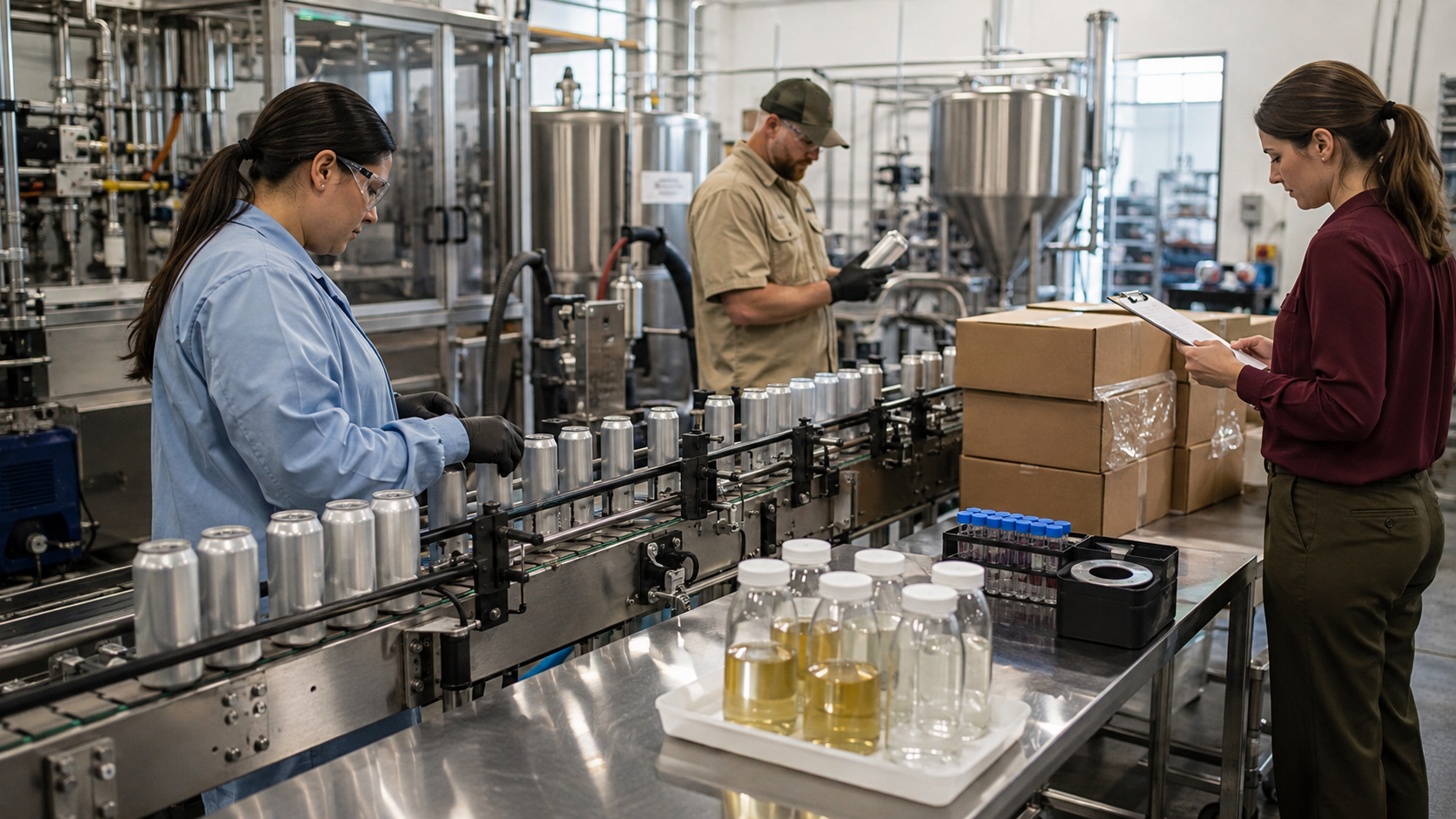
A bipartisan federal bill would create a regulated pathway for low dose hemp THC beverages with a 5 milligram serving limit, federal permits, testing and labeling requirements, a three tier distribution model, and an 8 cent per milligram THC tax. For operators, the bigger issue is whether current products, margins, supply chains, and retail strategies can adapt if federal legality comes with a much more formal regulatory structure.
Senate Appropriations leaders included language in a federal funding bill that would delay much of the planned federal hemp THC ban until December 11, 2026. The bigger lesson is that hemp THC businesses may have a short lifeline, but operators still need to plan around synthetic cannabinoid exposure, inventory risk, congressional uncertainty, and the need for a full federal regulatory framework.

Iowa Democratic lieutenant governor candidate Dave Muhlbauer defended Rob Sand’s adult use cannabis legalization plan during a visit to a youth behavioral health facility. The bigger lesson is that Iowa remains restricted, but legalization is becoming part of the 2026 political conversation around market structure, youth safeguards, advertising rules, hemp products, and tax revenue.
The Netherlands' cannabis pilot is showing early improvements in regulated supply and track and trace systems, but packaging, potency guidance, hash availability, and consumer information still need work. The experiment offers a rare look at what happens when an established tolerated retail market attempts to convert its entire supply chain into a regulated system.