

Cannashield Insights Blog
Our blog is an educational hub for clear and timely insights on the cannabis and hemp industry.
We simplify insurance topics regulatory updates and real world risks into easy to understand content for operators at every stage.
From cultivation to retail we provide practical guidance coverage education and market insights to help you stay compliant protected and informed so you can make smarter and more confident decisions.
ON THE BLOG
CATEGORIES
FEATURED POST
Recent Industry Updates
All Articles
Browse our complete collection of cannabis and hemp insights below. This page brings together all published articles covering policy and regulation, business and economy, legal and justice, industry innovation, and culture and community. Each post is created to educate and inform operators and industry stakeholders by breaking down complex topics into clear, practical insights. Scroll down to explore the full library and stay informed on the issues shaping the industry.
What It Means When a Cannabis Operator Runs for Congress
A cannabis business owner running for Congress signals a shift from outside advocacy to direct representation in federal policymaking. The move highlights the industry’s growing political maturity and push for practical reform.

Why Enforcement Uncertainty Is the Real Risk for Hemp Businesses
As lawmakers debate tighter hemp restrictions, enforcement uncertainty is emerging as the biggest risk for operators. Federal and state conflict will shape how rules are applied, affecting competition, distribution, and compliance planning.

Trump’s Rescheduling Push Signals Momentum for Medical Cannabis and CBD
Trump’s push to reschedule cannabis signals growing federal recognition of medical use and opens pathways for expanded research and clearer CBD oversight. While not full legalization, the move reflects momentum rather than restriction.

A Federal Cannabis Commission Signals Progress, Not Instant Legalization
A proposed federal cannabis legalization commission signals that lawmakers are seeking a real national framework. While it does not mean immediate legalization, it marks continued forward movement in federal cannabis policy.

Cannabis Officially Moves to Schedule III Under Federal Law
The United States has officially moved cannabis to Schedule III, acknowledging accepted medical use and reducing long standing federal barriers. While cannabis remains federally illegal, the shift opens new pathways for research, healthcare integration, and industry stability.

Cannabis Businesses Still Face Banking Barriers Despite Federal Reclassification
Despite federal reclassification, cannabis businesses still face major barriers accessing traditional banking services. Large financial institutions remain cautious, forcing operators to rely on smaller lenders and alternative financing.

What Schedule III Reclassification Could Change for Cannabis in the United States
If cannabis moves to Schedule III, federal barriers around research, medical development, banking, and penalties could ease significantly. While cannabis would remain federally regulated, the change could unlock long awaited pathways for growth and stability.

Trump Expected to Address Federal Cannabis Policy as Rescheduling Gains Momentum
Markets are reacting as President Trump is expected to address federal cannabis policy and possible reclassification to Schedule III. The move could ease banking, research, and tax barriers while keeping cannabis federally illegal.

Massachusetts Approves Social Cannabis Cafes, Opening a New Chapter for the Industry
Massachusetts has approved rules for licensed social cannabis consumption lounges, opening the door to cannabis cafes and experience driven venues. The move creates a new consumer channel that expands the industry beyond traditional retail while emphasizing safety and compliance.

Cannabis Stocks Rally as Federal Policy Signals a Possible Shift
Cannabis stocks jumped as investors reacted to renewed federal policy discussions around marijuana reclassification. A move away from Schedule I could ease tax and banking barriers, creating major structural changes for the industry.

New Federal Law Restricting Hemp-Derived THC Will Reshape the Industry by Late 2026
A new federal law will ban most intoxicating hemp-derived THC products by imposing a 0.4 mg THC-per-container limit and prohibiting certain synthesized cannabinoids. The rule takes effect in November 2026 and could dramatically reshape the hemp-based wellness market.
Virginia Unveils Sweeping Adult-Use Cannabis Framework Ahead of 2026 Retail Launch
Virginia’s Joint Commission has proposed a sweeping adult-use cannabis framework ahead of the state’s expected 2026 retail launch. The plan removes local opt-outs, elevates micro-businesses, and establishes clear rules for licensing, zoning, testing, and delivery.
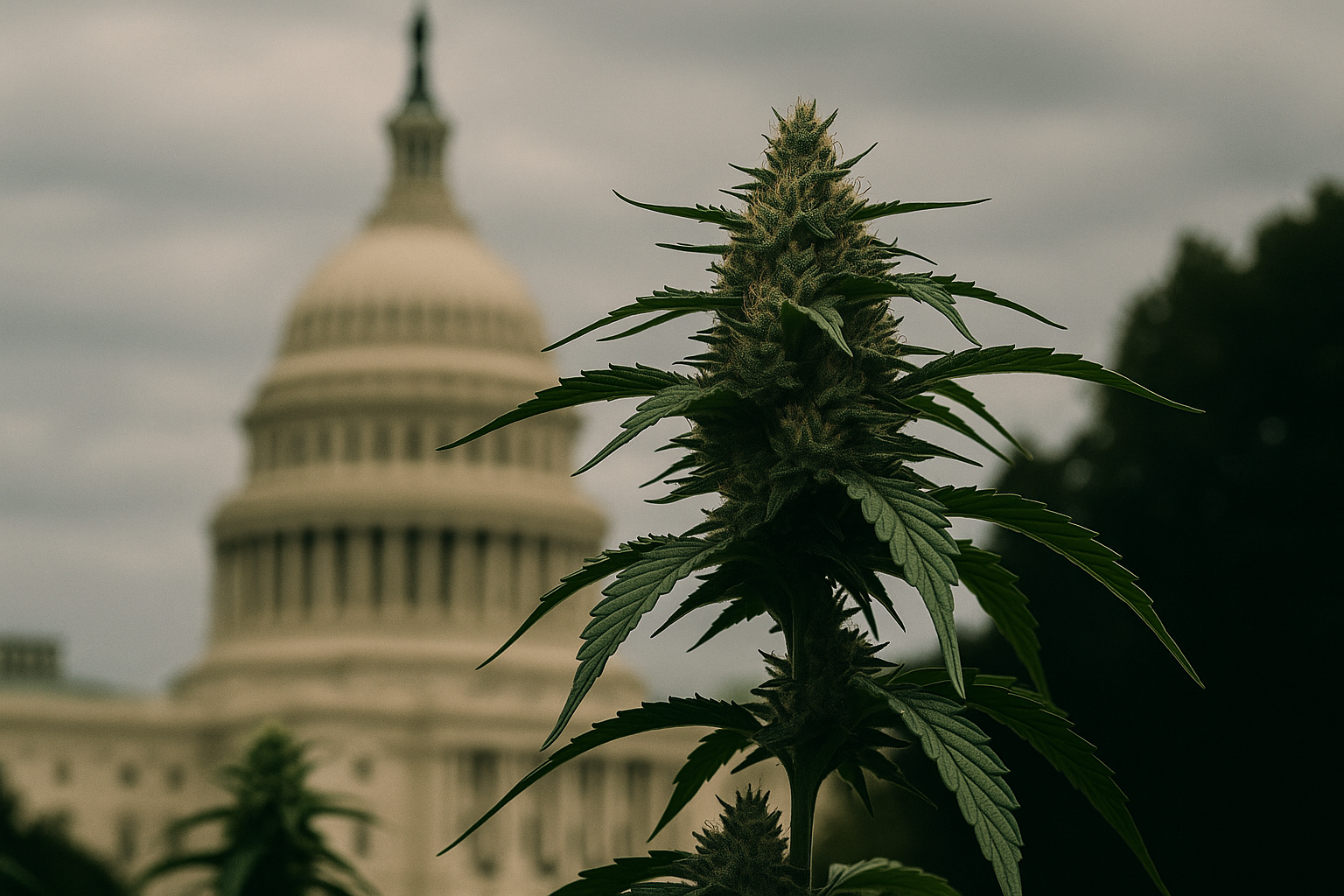
Rumors Rise That a Future Trump Administration May Reschedule Cannabis — What It Could Mean for the Industry
Rumors are growing in Washington that a second Trump administration may aggressively pursue federal cannabis rescheduling. If it happens, it would reshape banking, insurance, taxes, and interstate commerce — transforming the entire cannabis industry.

Rep. Dina Titus Demands DOJ Clarity on Renewed Cannabis Enforcement
Rep. Dina Titus is demanding answers from the U.S. Attorney General after a DOJ memo signaled renewed enforcement on cannabis offenses. Her letter raises major concerns for state-legal operators who need clear federal guidance to protect their businesses and plan for the future.
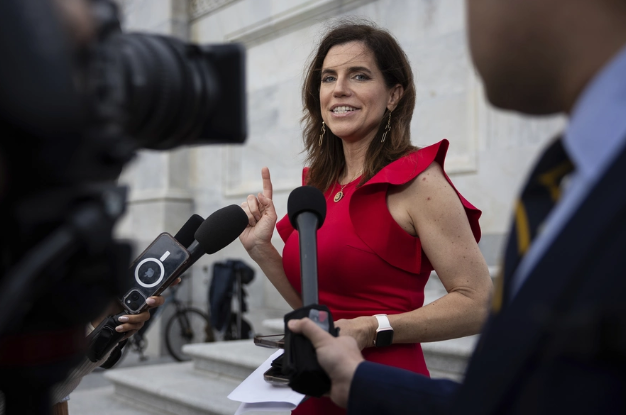
New Bill Aims to Reverse Federal Ban on Intoxicating Hemp Products
Rep. Nancy Mace has introduced draft legislation aimed at reversing the new federal ban on intoxicating hemp products. The proposal could offer major relief to the $28 billion hemp-THC sector, which was blindsided by the ban buried in the government-funding deal.

Texas Avoided a THC Ban — But Federal Restrictions Could Still Devastate the Hemp Industry
Texas avoided a state-level THC ban, but a new federal spending bill could outlaw most hemp-derived THC products nationwide. Industry leaders warn the move could devastate the multi-billion-dollar hemp sector and force thousands of operators to pivot or shut down.

Congress Narrows Hemp Definition and Bans Synthetic Cannabinoids, Reshaping the THC Market
Congress passed new legislation narrowing the federal definition of hemp, imposing strict THC limits, and banning synthetic cannabinoids. The move could reshape the $28B hemp-THC sector and force major operational changes across manufacturing, retail, and online markets.

Federal Spending Bill Includes Hemp Product Ban
A federal spending bill to reopen the government includes provisions to ban many hemp-derived THC products, such as Delta-8 and hemp-based gummies and beverages. The move could devastate parts of the hemp industry and signals increasing federal intervention in cannabis regulation.

Mainstream Brands Join the Cannabis Space with Hemp-Derived THC Products (Copy)
Congress’s latest budget deal would restrict hemp-derived THC products while removing provisions allowing VA doctors to recommend medical marijuana. The move tightens federal hemp oversight and highlights how cannabis reform momentum is slowing at the national level.

Republican Support for Federal Cannabis Legalization Drops to 40%
Republican support for federal cannabis legalization has dropped from 55% to 40%, according to a new Gallup poll. The decline highlights growing political polarization around cannabis — and potential challenges for federal reform heading into 2026.
Disclaimer: All content on this site is for informational and educational purposes only. We share news, insights, and our own interpretations but do not claim ownership of third-party content, always crediting original sources with links. Views expressed in shared content do not necessarily reflect our own. For accurate and current information, please consult the original publisher.
Ready to get you cover?
Call us on (323)905-3396
 or growth@cannashield.io
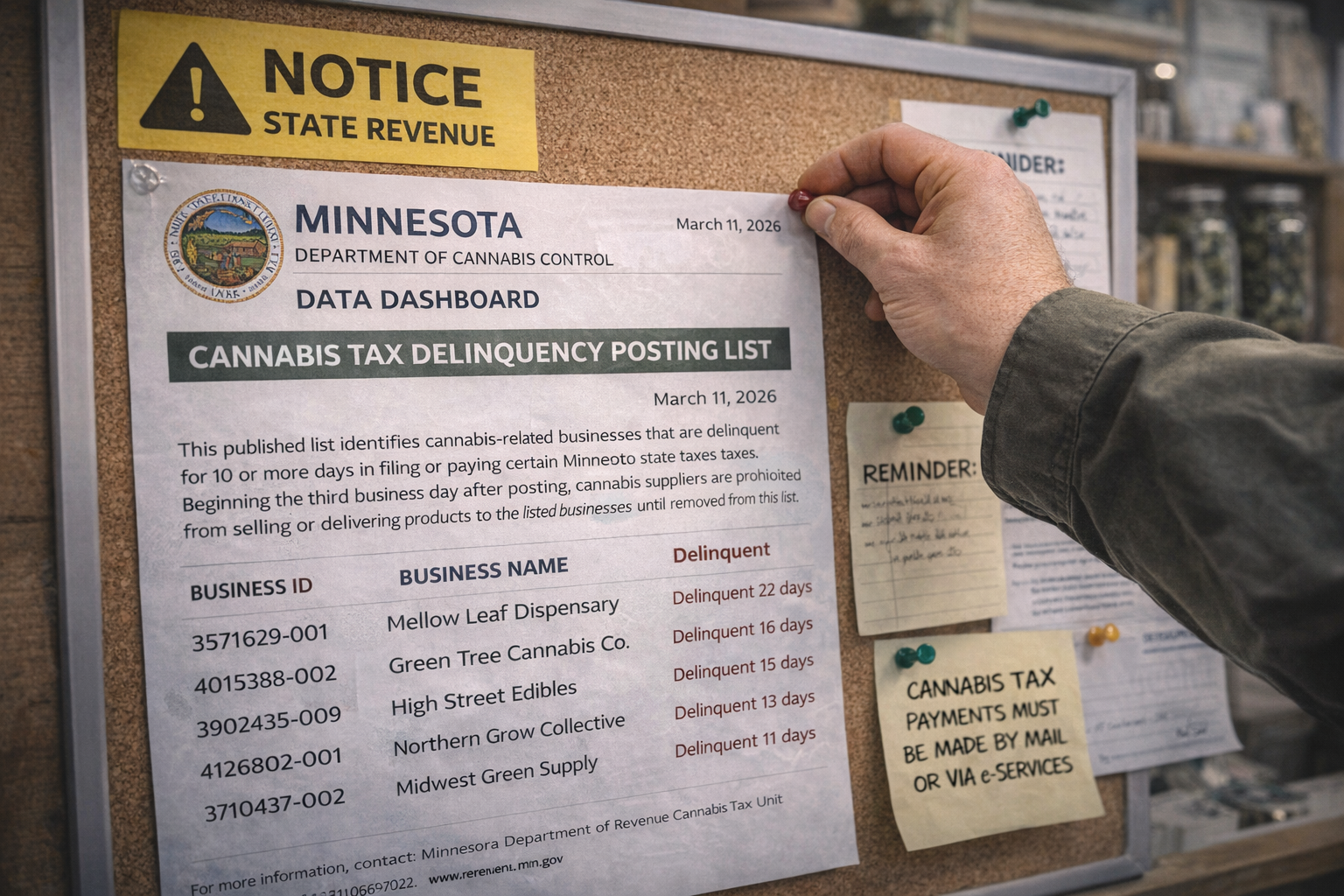
Minnesota’s cannabis tax delinquency list is a supply chain stop sign. Beginning the third business day after posting, suppliers must stop selling or delivering to listed businesses, so buyer checks and documentation are now operational controls.